Most insurance carriers assume a vehicle hits the end of its useful life at ten years. Then they tow it to a scrapyard. That timeline feels arbitrary. It ignores engineering reality. It ignores maintenance.
The Environmental Transport Association (ETA) argues that keeping an older, less efficient car on the road is often greener than buying a new, clean one. The manufacturing footprint of a new vehicle is massive. The energy to build it, ship it, and sell it creates a carbon debt you have to pay off by driving the new car for years.
You can change that math.
By following a strict preventative maintenance schedule, you can easily double your car’s useful life. You spend less at the pump. You spend less at the repair shop. You create less waste.
This isn’t just about throwing money at repairs. It’s about extending the life of individual components. Oil. Tires. Brake pads. When these parts last longer, the landfill gets less. Here are seven specific ways to slow down wear and tear.
1. Extend the Life of Windshield Wipers
Wipers fail. You know this. You don’t want to be caught in a torrential downpour with streaked vision.
But replacing them every three months is a waste of rubber. You can keep them working at peak efficiency for much longer.
The rubber blade works best when it is clean. Once a month, wipe the rubber edge with denatured alcohol (91%). If the rubber is stiff or chipped, use fine sandpaper between 1000 and 2000 grit. This restores flexibility. It helps the blade grip the glass better. It wipes water and debris away cleanly.
A note on replacement: When you finally do replace them, you usually only need the rubber squeegee blade. The metal arm is fine unless it’s severely corroded or bent. Many modern wiper designs force you to replace the whole unit though. Check with a local specialist. Know your car’s specific setup.
2. Maintain Tires for Maximum Longevity
Your tires are 30% their make and composition. They are 70% your care.
You want maximum life. You want to avoid uneven, premature wear. Start with inflation. Keep them properly inflated. Pay special attention to this when the seasons change. Temperature shifts affect pressure.
Align the wheels. Rotate the tires as specified by the manufacturer. Do these things, and your tires will last. You stop throwing rubber into the bin every year.
3. Make Brakes Last Longer
Brakes wear out based on how you drive.
Speed up and brake. It’s a bad habit. It wastes gas. It increases emissions. It destroys brake pads.
Change your driving style. Anticipate stops. Time when you let off the accelerator. Downshift a manual transmission to use engine braking. Let the vehicle decelerate gradually.
This reduces wear on the brake pads significantly. You buy fewer pads. You waste less material.
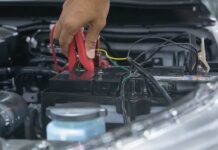
4. Take Care of Your Battery
A car battery should last for years. If you treat it poorly, it dies in months.
Keep the terminals clean. Mix one tablespoon of baking soda with water. Scrub the corrosion away. Insulate the connections.
Stop running accessories like the stereo or GPS for extended periods with the engine off. The alternator isn’t charging. You’re draining the battery.
If you have a serviceable battery, check the water levels regularly. If you don’t drive for long periods, hook it up to a solar battery charger. Keep it healthy.
5. Change Your Oil with Synthetic
There is a debate about whether synthetic or conventional fossil fuel motor oils are greener. The debate doesn’t matter. Synthetic lasts longer.
Synthetic oil costs twice as much as conventional oil. It also lasts twice as long. The superior formula resists breaking down in extreme temperatures.
Instead of an oil change every three months, you can extend that schedule to six months. This cuts the amount of oil and filters you recycle in half. That’s less hazardous waste. That’s better for the planet.
6. Install a Lifetime, Washable Air Filter
You change your oil regularly. You should change your air filter too.
Most paper air filters are rated for 15,000 miles. Over ten years, that’s a lot of filters. You could fill a large garden-sized garbage bag. That’s a lot of trash.
Replace all those disposable filters with one lifetime, washable air filter. It costs twice as much as a paper filter upfront. It should last the life of the vehicle.
You will need to buy a special oil to reactivate the filter after washing. Anyone with reasonable mechanical ability can handle this. You stop throwing filters away. You stop contributing to landfills.
7. Keep Your Vehicle Covered or in a Garage
Elements break down metal. Elements break down plastic.
Intense heat and sun weather a vehicle quickly. Snow and rain do it too. Rain can sometimes help with dirt, but it promotes paint damage in areas prone to acid rain.
Slow down paint oxidation. Slow down rust. Store your vehicle inside a sealed garage. If you can’t afford a garage, use a carport. Or use a breathable car cover.
This keeps the exterior looking new. Why does that matter beyond aesthetics? It boosts the vehicle’s overall longevity. It increases the chances of selling the vehicle in the future. A well-kept vehicle brings more buyers. It brings greater profit.
That increased resale value increases the ultimate reuseability of the vehicle.
You keep it moving. You keep it off the junkyard floor.
There are always more parts to worry about. Fluids. Belts. Hoses. The list doesn’t end here.