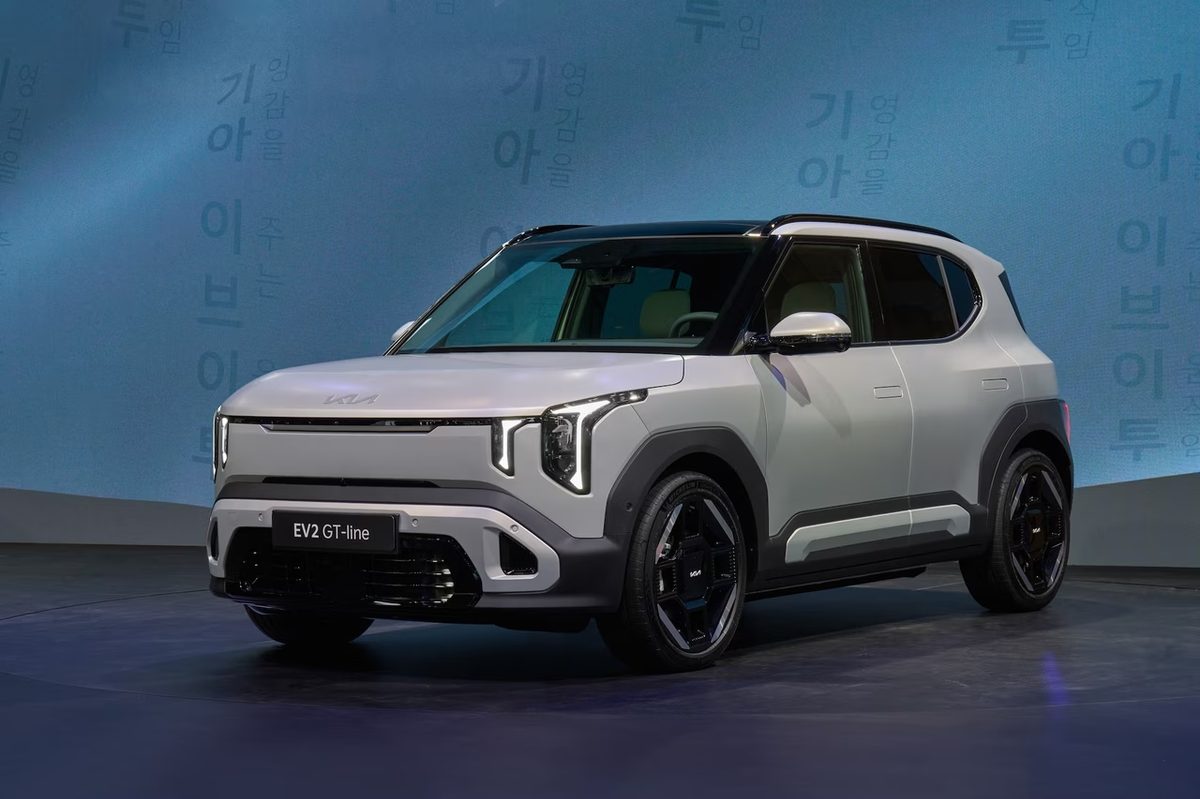
Europe’s small electric market is a bloodbath. The Renault 5 E-Tech is here. The Alpine A290 is circling. The Peugeot e-208 is already on the streets. Everyone wants a slice of that pie.
Kia thinks it can cut through the noise.
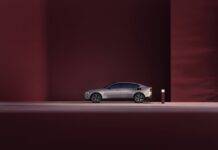
The company isn’t just slapping a badge on a hatchback and calling it a day. They’re launching the Kia EV2. It’s positioned as a compact urban SUV. Not a supermini. Not a traditional city car. A small SUV with the footprint of a C-segment rival but the agility of something meant for tight parking spots.
“The Kia EV2 is not a simple city car in the traditional sense. It’s a carefully positioned urban SUV.”
This matters. Buyers are tired of feeling like they’re buying a toy when they buy a small EV. They want utility. They want height. They want to see over the bonnet of a taxi. The EV2 delivers that silhouette while keeping dimensions manageable for daily urban abuse.
Kia is betting that the line between “city car” and “small SUV” is where the money is. They aren’t competing with the Fiat 500e on style alone. They’re aiming for the practical buyer who still wants modern tech and electric efficiency.
The question is whether the Kia EV2 can carve out a niche in a segment already crowded with established players and aggressive pricing. The design suggests they’re serious. The positioning is deliberate. Now, we wait to see if the price and range match the ambition.
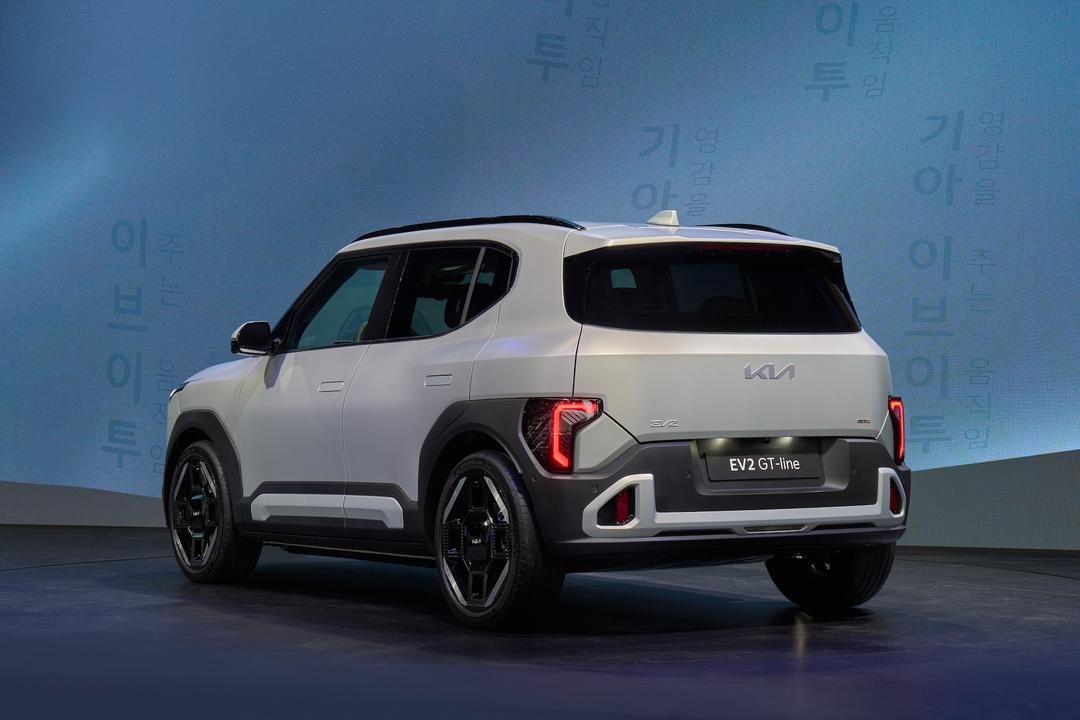
This isn’t a random design choice. While competitors like the Renault 5 E-Tech and Peugeot e-208 stick to the traditional hatchback silhouette, the Kia EV2 bets on visual versatility and raw utility. The driving position is slightly elevated. The cargo area is actually usable. The bodywork looks tougher. These aren’t just aesthetic tweaks. They are arguments aimed at widening the buyer pool beyond the typical urban commuter.
Kia is leveraging its recent stylistic language. You’ve already seen this on the EV3 and the flagship EV9. The result is an identity that feels strong and immediately recognizable. It avoids the exuberance that plagues some newer EVs. It stays grounded.
Targeting the French market leaders
On paper, the new EV2 is going straight for the established French heavyweights. The Renault 4 E-Tech sits right in its crosshairs. It offers a more family-oriented alternative to the R5. The Citroën ë-C3 Aircross is also a direct competitor. It shares technical foundations with the smaller ë-C3, making the price-to-space ratio critical for both vehicles.
The EV2 doesn’t just compete on specs. It competes on the feeling of space and robustness that city cars usually lack.
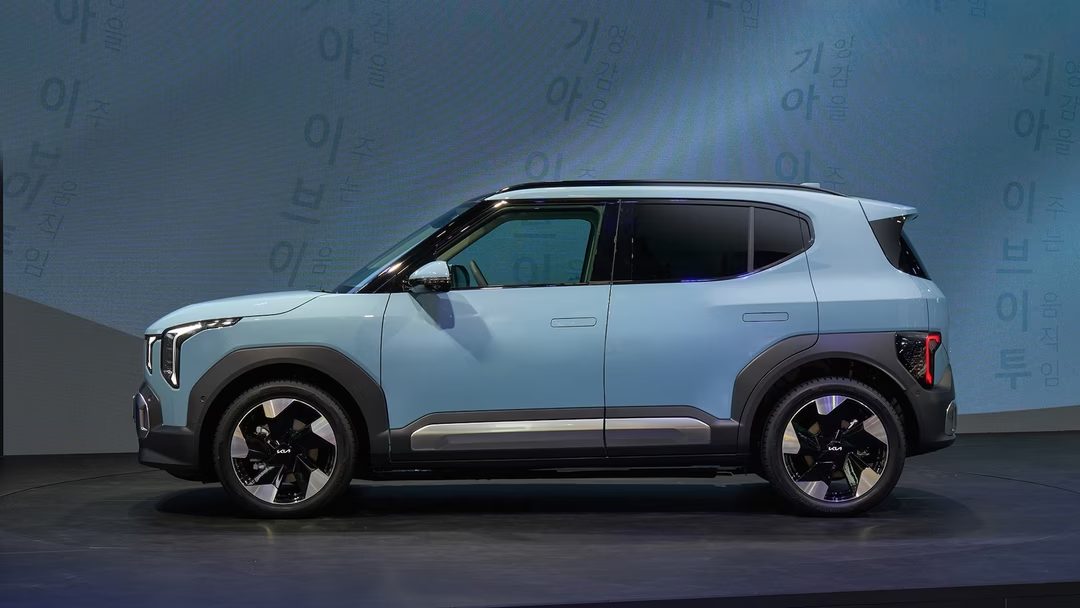
How does this translate to the real world? If you are looking for a city car that doesn’t feel like a shoebox, the elevated stance of the EV2 changes the dynamic. You see more. You feel less enclosed. That is a significant shift from the low-slung posture of the Peugeot e-208.
Which model wins? It depends on what you prioritize. The Renault 4 E-Tech brings heritage and a boxy rear. The Citroën ë-C3 Aircross offers comfort-tuned suspension. But the Kia brings a cohesive design language that ties it to the rest of the EV lineup. This creates brand synergy. It signals that Kia is serious about the compact segment across all price points.
Why the Kia EV2 Matters for the Mass Market
The math is simple. Most buyers don’t want a luxury SUV. They want a car that works. Kia’s EV2 targets that gap. It sits right between the city hatchback and the expensive compact SUV.
This isn’t about chasing the highest numbers on a spec sheet. The goal is efficiency. Real-world range. Manageable charge times. Low running costs.
The dedicated electric platform does the heavy lifting. It allows for a flat floor and optimized space. That’s a practical benefit, not just an engineering flex.
Filling the EV Gap in Kia’s Lineup
Kia has moved fast. They didn’t just drop one model and hope for the best. They built a coherent range.
The lineup now covers:
* Urban commuters.
* Compact crossovers.
* Large family SUVs.
The EV2 plugs the hole in the middle. It’s for drivers who need more space than a Fiat 500e but can’t justify the price of a Kia EV6.
This strategy confirms their ambition. They aren’t playing in the niche. They are aiming for the mainstream.
Price remains the wildcard
Most rivals are still rationalizing their electric lineups. Kia isn’t. They are accelerating hard, carving out space even if it means clashing directly with local incumbents on their home turf.
The big question mark hanging over the launch? Kia EV2 price. That is where the real battle will be fought. The French market is dominated by established players. The Renault 5 E-Tech, the Citroën ë-C3, and the Peugeot e-208 enjoy fierce national loyalty. These aren’t just cars. They are cultural staples.
If Kia can undercut them without stripping out essential equipment or sacrificing range, the EV2 becomes a serious contender. It would stop being a niche import and start threatening the domestic giants.
This isn’t just about selling units. It’s about signaling intent.
With this model, Kia is no longer watching from the sidelines. They are stepping into the spotlight.
The strategy is clear. Kia has moved from passive observer to active challenger. They are betting that value and modern tech will win over tradition. Whether the average buyer in Lyon or Lille agrees is another matter. But the seat is taken. The game has changed.