Ferrari.
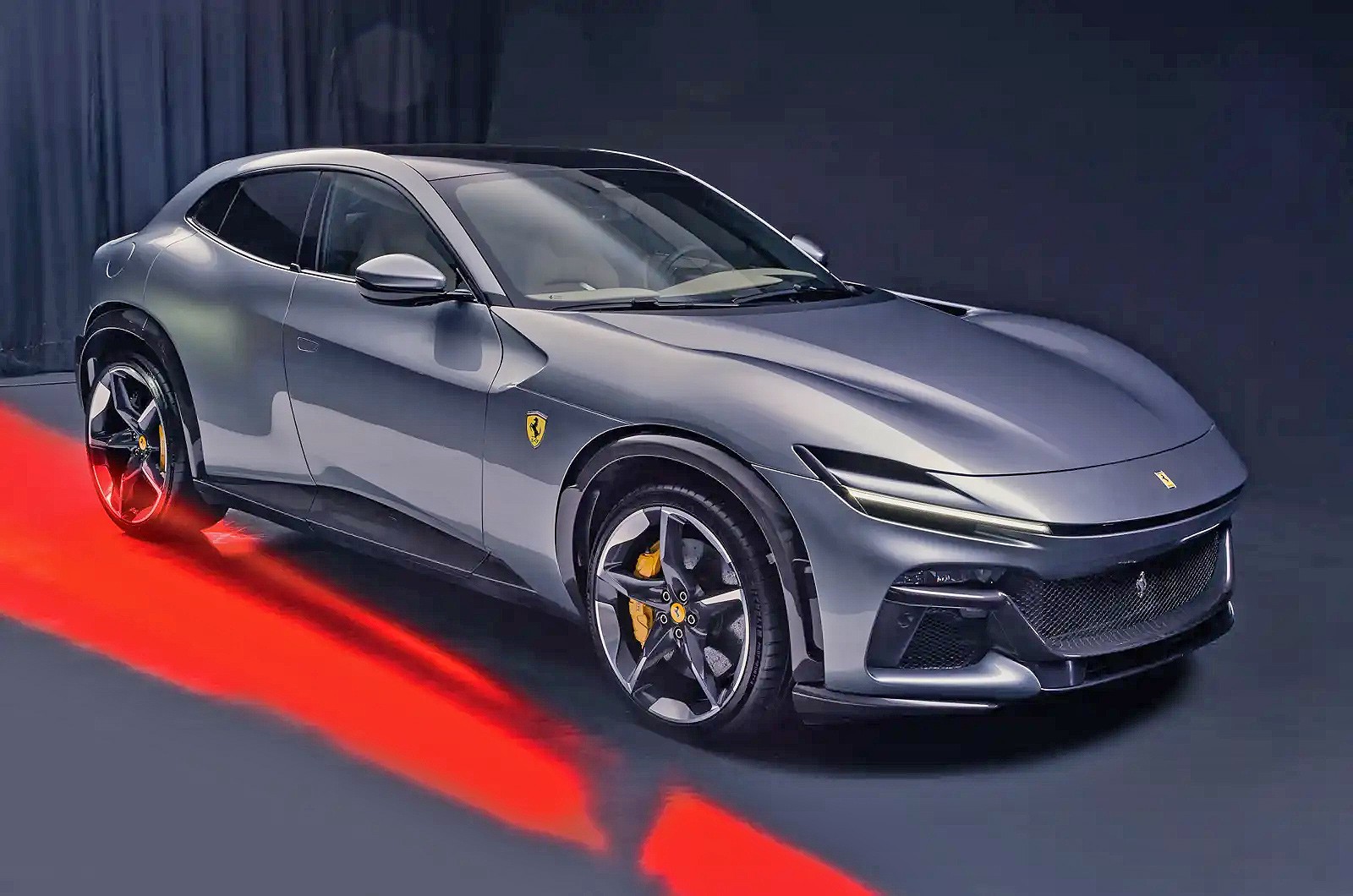
It screams fast, low, and hard. It lives on tarmac, skimming inches above it, hunting down corners with a V12 that sounds like tearing silk. So why is there an SUV coming out of Maranello?
The Ferrari Purosangue isn’t a Jeep from 1945. It’s an iPhone disguised as a land rover. It has the torque to crush Dubai’s Big Red sand dune, which usually eats lesser cars alive. But it looks wrong. It sits high. It blocks wind. It violates every rule the company wrote for itself for decades.
But the market doesn’t care about purity.
It cares about money.
And the money is loud.
The Logic of Desire
Automakers listen. When the money whispers “make us an SUV,” they listen. Sometimes they get it right. Sometimes they don’t.
The results are jarring. A Rolls-Royce that can crawl over rocks? Aston Martin shrinking its ego into a toy car? Audi letting its inner Lamborghini drive? These weren’t plans drawn on a napkin. They were responses to a fickle public.
Some cars became icons overnight. Others became cautionary tales.
The Heavyweights
Rolls-Royce didn’t want to build the Cullinan in 2019.
They wanted to stay elite. Stuck on polished concrete.
Then the market said no.
They said go to Arabia. Go to the mountains. Be useful.
The Cullinan is huge. It looks a bit confused, trying to marry soft leather with muddy tires. But look back at the history. Rolls-Royces were armoured cars in WWI. Lawrence of Arabia used them in the desert. Maybe the brand never stopped being rugged. It just stopped looking it.
The design may be troubling, but familiarity helps.
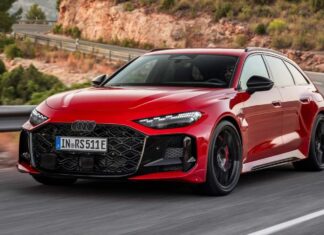
Then there’s the Audi R8.
2006. Audi decides to build a supercar. But wait—they already owned Lamborghini. Why bother?
Because Audi needed a badge halo. Because they wanted to prove they weren’t just the company that made sensible sedans for accountants. The R8 was radical. It was loud. It drove better than any A8 ever did. It turned Ingolstadt into a place where people stopped and stared.
The Unlikely Candidates
Not all surprises were heroes.
Aston Martin made the Cygnet.
In 2010. It looked like a cardboard box. It had the soul of a Morgan three-wheeler and the bones of a Toyota iQ. Critics called it daft. Buyers called it odd.
Nobody wanted it then.
Now? They’re rare. They hold value. Collectors want them because they’re absurd. You don’t buy an Aston to be normal.
Toyota gave us the Yaris Verso.
Ugly? Yes.
Voluminous? Absolutely.
It was a supermini MPV before that term felt dirty to say. It compromised the Toyota image, sure. But it worked. People packed groceries in it. Families survived in it. It didn’t need to be pretty. It just needed to hold stuff.
The Electric Oddity
The list isn’t finished.
The Renault Twizy.
It appeared in 2009. A tiny, open-top electric quadricycle. It looked like it was built for the Jetsons who gave up on flying cars and settled for hopping down city streets.
Was it surprising?
More than that.
It was weird.
Most of these cars were born from a question: “Can we make money here?” The Purosangue is the loudest answer. The Cullinan was the most arrogant. The R8 was the most exciting.
Which one do you remember?
Maybe it doesn’t matter.
Cars change. We change with them. We stop expecting logic from a corporation. We just expect a key in the ignition.