The integration of artificial intelligence into the rental car industry has moved from a futuristic concept to a frontline legal and consumer battleground. At the center of this friction is Hertz, which has implemented a high-tech scanning system designed to eliminate human error—but critics argue it may be creating a new way to unfairly charge customers.
The Technology: How UVeye Works
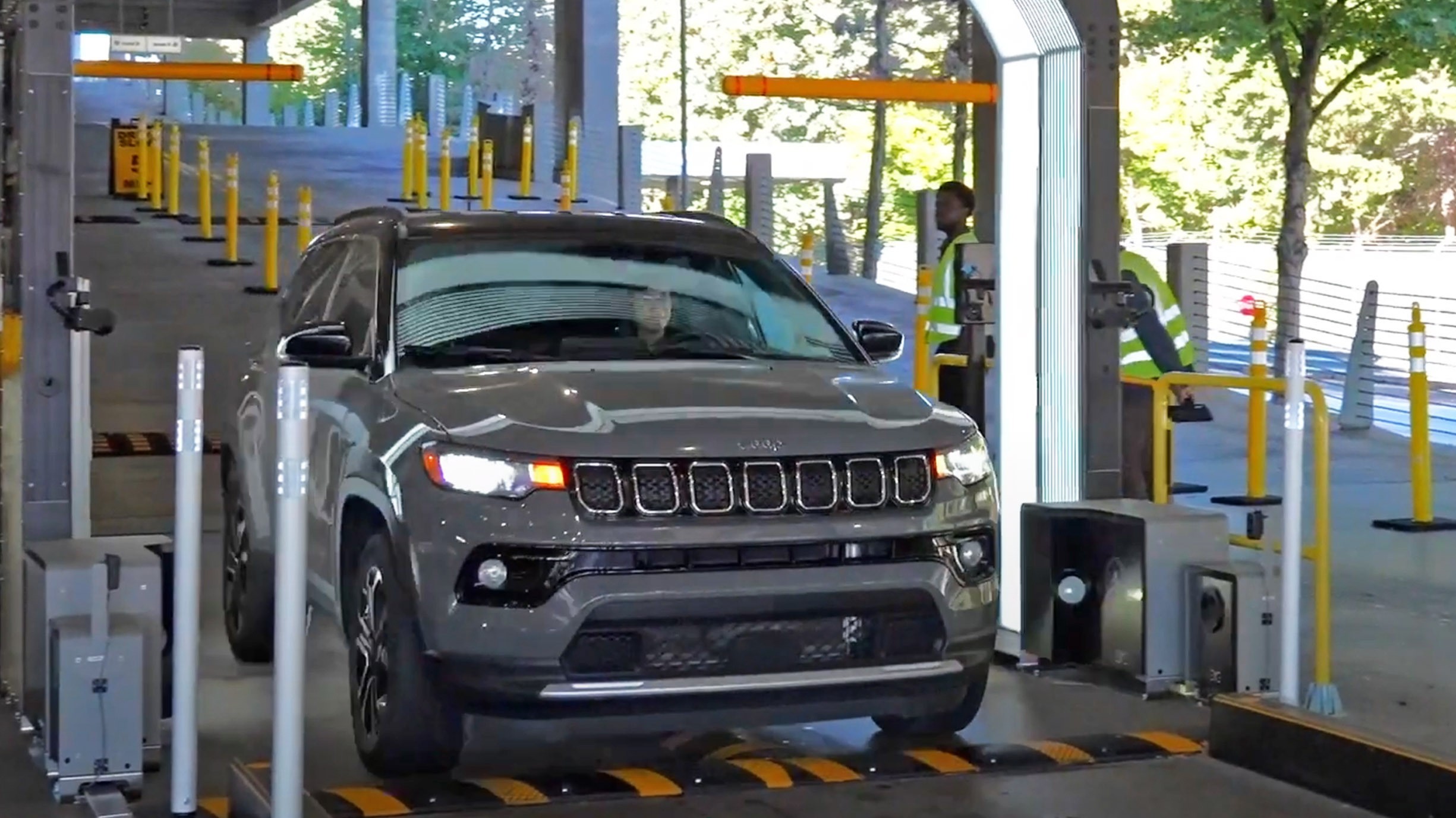
Last year, Hertz rolled out a tool developed by UVeye, an AI-driven scanning system. The process is straightforward:
1. Outbound Scan: The vehicle is scanned as it leaves the rental center.
2. Inbound Scan: The vehicle is scanned again upon return.
3. AI Comparison: The software compares the two sets of images to identify new scratches, dents, or structural issues.
Hertz maintains that this system provides a level of precision that a manual, rushed walk-around by an employee simply cannot match. According to the company, the technology actually reduces disputes by providing clear, objective documentation. Hertz reports that over 97% of scans result in no charges, suggesting that the vast majority of customers return vehicles in acceptable condition.
The Controversy: “Invisible” Damage and Consumer Rights
Despite the company’s claims, the system has faced significant pushback. The primary tension lies in the gap between what a human can see and what an algorithm detects.
Jack Schlossberg, a congressional candidate and grandson of former President John F. Kennedy, has stepped into the fray. In a recent campaign video, Schlossberg raised concerns that Hertz is using AI to bill customers for “microscopic damage invisible to the naked human eye.”
His argument centers on two main points:
* Unfair Practices: Whether charging for microscopic imperfections constitutes an unfair business practice.
* Due Process: Whether consumers have a meaningful, accessible way to dispute automated charges.
Schlossberg has called on the Federal Trade Commission (FTC) to investigate. However, the FTC has remained non-committal. Joseph Simonson, FTC Director of Public Affairs, stated that the agency does not take direction from political candidates and declined to comment on whether any investigations are currently underway.
The Core Conflict: Data vs. Anecdote
While the political rhetoric is high, the actual evidence remains divided between two different perspectives:
The Case for the System
- Objectivity: Proponents argue AI removes the subjectivity and potential laziness of human inspectors.
- Efficiency: Automated scans are faster and more consistent than manual checks.
- High Success Rate: Hertz points to the 97% “no-charge” rate as proof that the system is not predatory.
The Case Against the System
- Difficulty of Dispute: Many renters report that it is incredibly difficult to reach a human representative to contest an AI-generated charge.
- Lack of Transparency: There is currently no public data regarding “false positives”—instances where the AI incorrectly identifies damage that was already present or non-existent.
- The “Invisible” Factor: If the AI detects damage that a reasonable person cannot see, it creates a fundamental disconnect between the consumer’s experience and the company’s billing.
Why This Matters
This dispute is a microcosm of a larger global trend: the tension between automated efficiency and consumer protection. As companies increasingly replace human oversight with AI, the “black box” nature of algorithms creates a power imbalance. If a machine decides you owe money, the burden of proof often shifts to the consumer, who may lack the technical tools to prove the machine is wrong.
The central question is not whether the technology works, but whether the human right to dispute an automated decision is being preserved in an increasingly algorithmic economy.
Conclusion
While Hertz claims its AI provides unprecedented accuracy, the outcry from consumers and political figures highlights a growing distrust in automated billing. The ultimate resolution will likely depend on whether regulatory bodies like the FTC decide that “invisible” AI-detected damage requires stricter oversight.