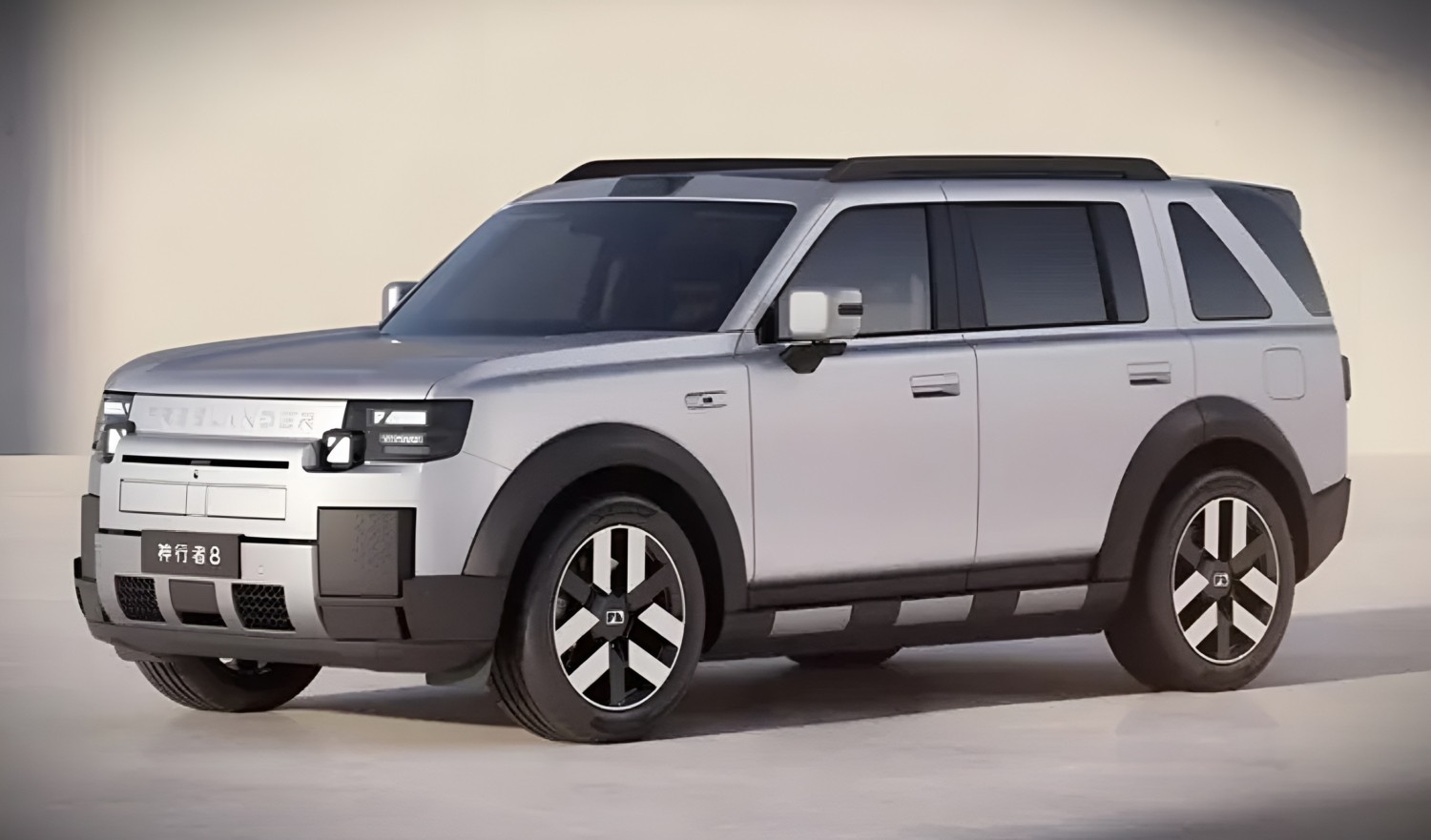
The Freelander nameplate is returning. Through a strategic New Energy Vehicle (NEV) partnership between Chery and Jaguar Land Rover (JLR), the first production model under this revived brand—the Freelander 8 —has been officially unveiled.
Moving beyond the concept stage, the Freelander 8 is designed to bridge the gap between rugged off-road heritage and cutting-edge digital intelligence. The model is slated for its Chinese debut in the second half of 2026, with a global rollout to follow.
From Concept to Production Validation
The Freelander 8 is no longer just a design study. Recent reports indicate that the program has officially entered the production validation stage. This follows rigorous durability and environmental testing, signaling that the vehicle has transitioned from engineering prototypes to the final calibration phase required for mass manufacturing.
Design: A Modern Take on the Classic Silhouette
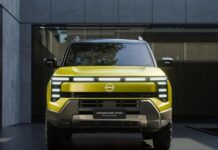
Visually, the Freelander 8 follows the “boxy” design language established by the Concept 97. It maintains an upright, commanding presence characterized by:
– Rectangular lighting units and a closed-surface front end.
– Straight character lines along the side profile to emphasize its SUV stance.
– Integrated LiDAR technology, with sensors mounted on the roof to support advanced autonomous functions without disrupting the vehicle’s aesthetic.
Intelligence and Terrain Mastery
The most significant leap for the Freelander 8 lies in its technological suite, which combines Huawei’s software prowess with advanced hardware:
- Huawei ADS 5: The vehicle will utilize Huawei’s latest intelligent driving assistance system, powered by an 896-line LiDAR setup.
- i-ATS Intelligent All-Terrain System: This system merges data from the LiDAR and binocular cameras to “read” the ground ahead. By recognizing specific terrain types, the vehicle can automatically adjust its driving strategy and control logic for different environments.
- High-Performance Computing: The vehicle’s brain is built on a centralized platform powered by Qualcomm Snapdragon 8397 hardware, ensuring the processing power necessary for real-time sensor fusion.
Advanced Powertrains and Ultra-Fast Charging
The Freelander 8 is built on a dedicated platform capable of supporting three distinct configurations: Battery Electric (BEV), Plug-in Hybrid (PHEV), and Extended-Range (EREV).
In the Chinese market, the focus will be on an 800V high-voltage extended-range system. In a major boost to usability, the battery system—developed in collaboration with CATL —is expected to support 6C charging. This means the vehicle can achieve extremely high charging speeds (up to 350 kW), significantly reducing the time spent at charging stations.
Strategic Context: Why This Matters
The revival of the Freelander brand is not merely a nostalgic move; it is a calculated response to a shifting automotive landscape in China.
Data shows that Land Rover-branded sales in China have faced significant headwinds. In the first quarter of 2026, sales plummeted to 2,153 units—a 38.5% year-on-year decline —representing a market share of just 0.1%. This is a sharp contrast to 2023, when quarterly volumes regularly exceeded 6,000 units.
By leveraging Chery’s manufacturing scale and Huawei’s software leadership, the Chery-JLR partnership is attempting to reclaim a foothold in the premium electrified SUV segment, where traditional luxury brands are increasingly being challenged by tech-heavy domestic manufacturers.
The Freelander 8 represents a pivot toward “software-defined” off-roading, combining traditional ruggedness with the high-speed charging and autonomous capabilities demanded by the modern EV market.
Conclusion
The Freelander 8 marks a critical attempt by Chery and JLR to revitalize a legacy nameplate through high-tech integration. If successful, its combination of Huawei intelligence and CATL ultra-fast charging could redefine what consumers expect from a premium, electrified SUV.