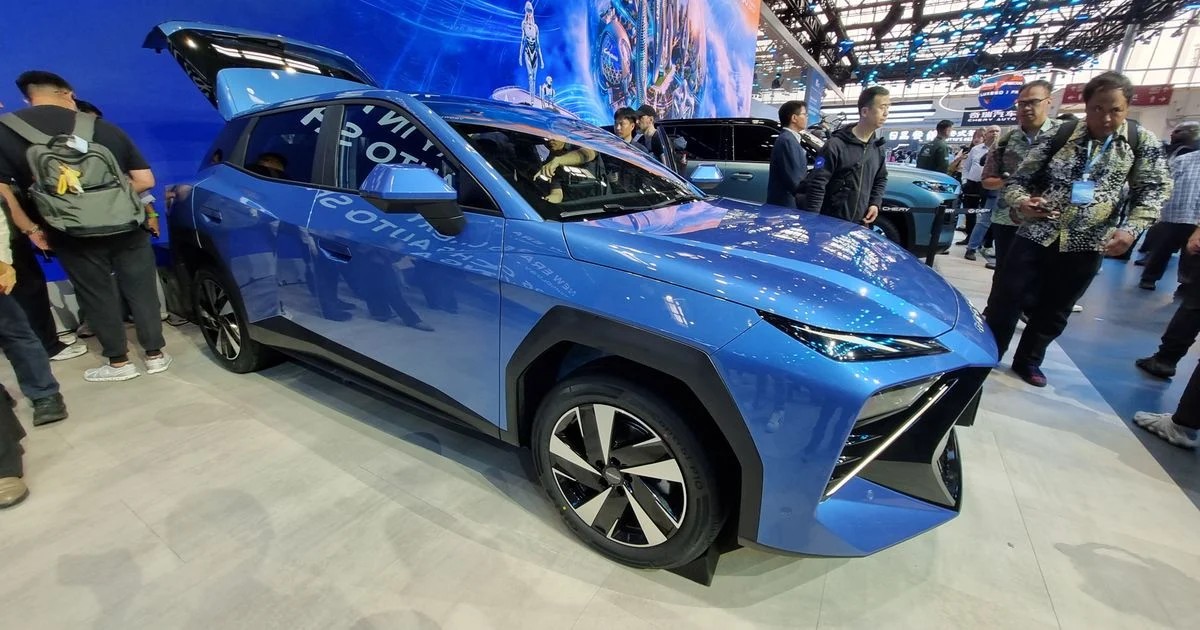
The Australian small SUV segment is bracing for a significant shake-up. Omoda, the design-forward arm of the Chery-owned Omoda Jaecoo brand, is preparing to launch the Omoda 4 in the first quarter of 2027. This new model represents a strategic push to capture younger buyers and secure a top-10 position in the Australian market by the end of the decade.
By entering one of the country’s most competitive categories, the Omoda 4 directly challenges established leaders like the Toyota Corolla Cross and Hyundai Kona, while also competing against rising electric contenders such as the MG 4.
A Design-First Approach for Younger Buyers
The Omoda 4 is positioned as the smallest vehicle in the expanding Omoda lineup, sitting below the mid-size Omoda 7 (arriving late 2026) and the large Omoda 9. Its primary appeal lies in its aggressive styling and youthful energy, designed to stand out in a crowded showroom.
The exterior utilizes Omoda’s ‘Cyber Mecha’ design language, featuring:
– Sharp, angular creases and a coupe-like silhouette.
– Distinctive LED lighting signatures, including a full-width rear light bar.
– Boomerang-style tail-lights that define the rear profile.
Inside, the cabin continues the futuristic theme with a tech-heavy layout. Key features include a 13.2-inch central touchscreen, a digital instrument cluster, and a 50W wireless phone charger. A standout design element is the fighter jet-style flip cover for the start/stop button—a quirky, premium touch more commonly associated with supercars than compact SUVs.
Powertrain Options: Hybrid Focus and Electric Potential
Built on Chery’s T1X platform, the Omoda 4 is designed for global versatility, offering a range of powertrains depending on the market. While specific Australian configurations are yet to be confirmed, the global lineup includes turbocharged petrol, hybrid, plug-in hybrid (PHEV), and fully electric variants.
The brand is placing significant emphasis on its ‘Super Hybrid System’, showcased at the Beijing Motor Show. Early details suggest a 1.5-litre turbo-petrol engine producing approximately 110kW, paired with a plug-in hybrid setup to deliver significantly higher combined outputs.
Context: Omoda Jaecoo’s existing Super Hybrid technology, found in the Jaecoo J7 and Omoda 9, already delivers around 165kW, sub-eight-second 0–100km/h acceleration, and up to 1,000km of combined WLTP range. The Omoda 4 is expected to leverage similar efficiency and performance benefits, addressing range anxiety and fuel economy concerns in the small SUV sector.
A fully electric version is also anticipated, with some markets receiving a single-motor variant offering up to 430km of driving range.
Competitive Pricing and Strategic Timing
Production of the Omoda 4 began in April 2026, with Europe among the first regions to receive deliveries. Right-hand drive markets, including Australia and New Zealand, are expected to follow shortly after.
Pricing is projected to be aggressive, with overseas estimates suggesting a starting price equivalent to around €20,000 (approx. A$32,460). This would place the Omoda 4 in direct competition with both traditional combustion-engine rivals and electrified alternatives.
For comparison:
– The Jaecoo J5 starts at $25,990 drive-away for the base petrol model.
– The top-tier electric Jaecoo J5 Summit is priced at $36,990 drive-away.
If the Omoda 4’s pricing aligns with these estimates, it could offer a compelling value proposition, undercutting some competitors while offering higher-tech features and bolder styling.
Why This Matters
The launch of the Omoda 4 signals Chery’s intent to deepen its foothold in Australia’s automotive market. By targeting the small SUV segment with a design-led, tech-focused, and potentially affordable hybrid/electric option, Omoda Jaecoo is aiming to attract buyers who prioritize style and value over traditional brand loyalty. As the market shifts toward electrification, models like the Omoda 4 will be critical in testing whether Chinese brands can successfully displace entrenched Japanese and Korean competitors in the entry-level SUV space.
Conclusion: The Omoda 4 arrives at a pivotal moment for Australia’s automotive landscape, offering a stylish, tech-rich alternative in the highly competitive small SUV segment. With aggressive pricing and advanced hybrid technology, it has the potential to disrupt established market leaders and accelerate the adoption of Chinese brands among younger Australian buyers.