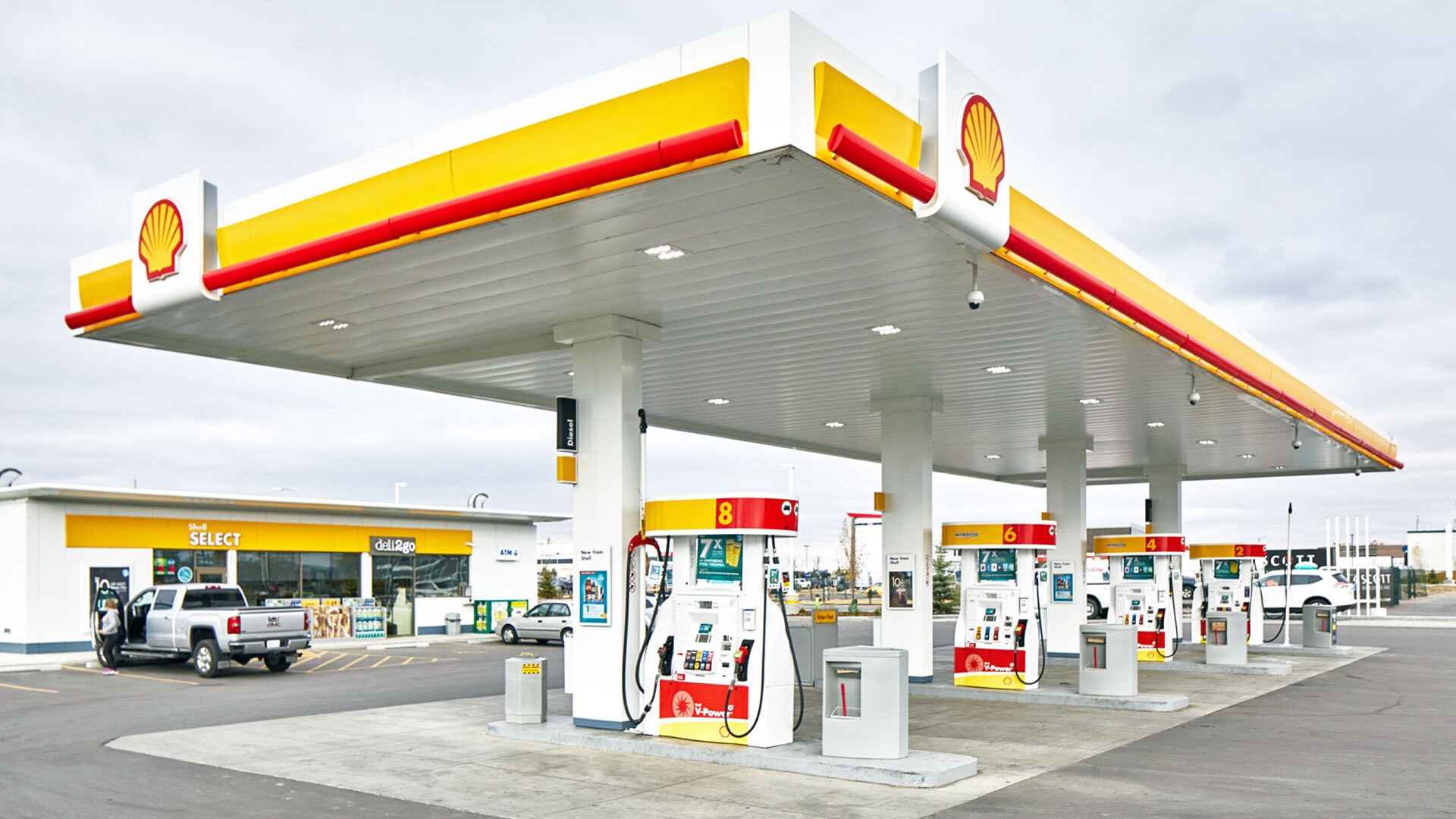
Gasoline prices in the United States have surged to a national average of $4.56 per gallon, marking a stark contrast to the $3.15 price point seen just one year ago. Diesel costs are also climbing, sitting only 14.2 cents below their all-time record high of $5.816. While motorists face significant financial pressure, major energy corporations are reporting record-breaking earnings.
Shell plc recently reported that its first-quarter adjusted earnings doubled to $6.9 billion, up from $3.3 billion in the previous quarter. This financial boom comes against a backdrop of heightened geopolitical tension, with Shell CEO Wael Sawan citing “unprecedented disruption in global energy markets” driven by the ongoing conflict involving Iran.
Financial Performance vs. Market Reaction
Despite the impressive top-line numbers, the market response was muted. Shell announced a $3 billion share buyback program and a 5% dividend increase, raising the payout to $0.3906 per share. Typically, such shareholder-friendly moves bolster stock prices. However, Shell’s shares fell 3.39% on the day of the announcement.
This divergence between profit and stock performance suggests that investors are wary of the underlying risks. While the company is capitalizing on high oil prices, the volatility of the supply chain remains a concern. Approximately 20% of Shell’s gas and oil production is located in the Middle East. Although assets in Oman remain operational, the broader regional instability poses a threat to consistent output and future profitability.
The “War Profiteering” Controversy
The disparity between corporate gains and consumer pain has sparked intense public backlash. Environmental groups and everyday drivers have taken to social media and physical protests to voice their anger.
Greenpeace UK escalated the criticism by projecting messages onto Shell’s headquarters in London. The environmental organization labeled Shell and other oil majors as “war profiteers,” arguing that they are “making billions while thousands die, a whole region is destabilized, and our energy bills skyrocket.”
Greenpeace specifically linked the profit surge to the conflict that began on February 28, noting that while the war started late in the first quarter, the subsequent spike in oil prices has had an immediate and lasting impact on global energy costs. The group has called for special taxes on these windfall profits to help families cope with the cost-of-living crisis and to fund climate change mitigation efforts.
Why This Matters
This situation highlights a critical tension in the global economy: energy security versus affordability. As geopolitical conflicts disrupt supply chains, oil prices rise, benefiting producers but hurting consumers. The public’s frustration is not just about the price at the pump; it is about the perception that corporations are exploiting human suffering for financial gain.
Key Takeaway: While Shell’s financial health appears robust, the combination of geopolitical risk and public outrage presents long-term challenges for brand reputation and regulatory scrutiny.
The debate over windfall taxes and corporate responsibility is likely to intensify as fuel prices remain elevated. For now, the gap between boardroom profits and garage forecourt prices continues to widen, raising questions about how long this imbalance can be sustained without significant political or social intervention.