While Chinese automotive giants like BYD, Chery, and Geely are rapidly gaining market share in Australia, many local buyers remain loyal to traditional household names. This loyalty is often driven by established dealership networks, regional availability, and long-standing brand trust.
However, a significant shift is underway. To bridge the gap in electric vehicle (EV) and plug-in hybrid (PHEV) offerings, legacy brands like Ford, Mazda, and Nissan are increasingly turning to Chinese joint ventures. By leveraging Chinese manufacturing and technology under familiar Western badges, these companies aim to offer cutting-edge tech at competitive prices without alienating their traditional customer base.
Here are the most anticipated models emerging from this strategic partnership.
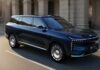
1. The High-Performance Workhorse: Nissan Frontier Pro
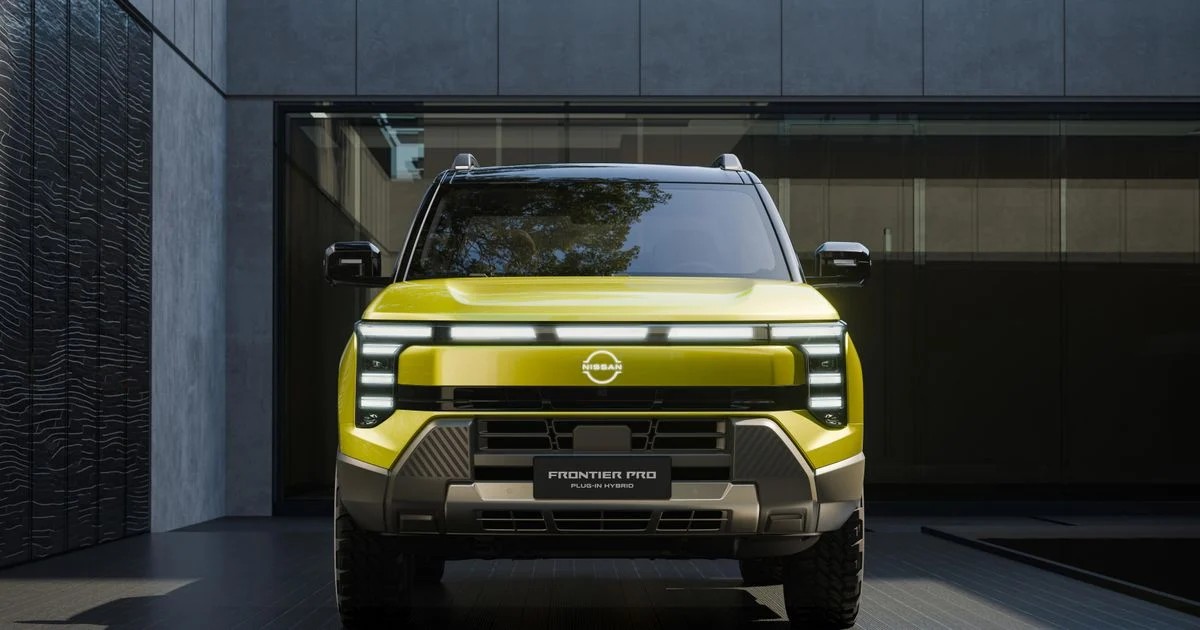
The Nissan Frontier Pro is arguably the most significant contender in the upcoming PHEV ute battle. Expected to arrive in Australia next year, this model represents a pivot for Nissan, utilizing a platform from Chinese partner Dongfeng rather than the aging Navara architecture.
Why it matters:
The Australian ute market is shifting toward electrification. The Frontier Pro aims to compete directly with the BYD Shark 6 and the Ford Ranger PHEV. Unlike standard petrol utes, this model offers:
– Impressive Power: A combined output of 300kW and 800Nm of torque.
– Electric Utility: A claimed EV range of 135km, allowing for much of the daily commute to be done without petrol.
– Practicality: A 3500kg braked towing capacity and “Vehicle-to-Load” (V2L) capability, which allows users to power appliances directly from the vehicle.
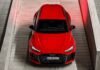
2. The Sedan Revival: Mazda 6e
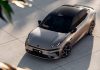
For years, the mid-size passenger sedan segment has been shrinking in favor of SUVs. The Mazda 6e seeks to reverse this trend by acting as a spiritual, all-electric successor to the beloved Mazda 6.
The Strategic Play:
Built on a platform from the Chinese brand Deepal (Changan), the 6e offers a premium feel with a price point designed to undercut the competition.
– Competitive Pricing: With an expected starting price of under $50,000, it positions itself as a more affordable alternative to the Tesla Model 3.
– Driving Dynamics: As a rear-wheel-drive EV, it promises the engaging handling and instant torque that Mazda enthusiasts expect.
– The Challenge: The success of the 6e will depend on whether Australian consumers are willing to choose a sleek liftback in a market dominated by much larger electric SUVs.
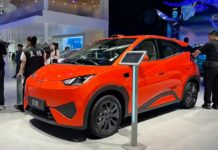
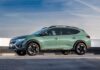
3. The Urban Specialist: Smart #2
The Smart #2 represents a return to the brand’s roots: creating small, characterful, and highly efficient vehicles. While brands like BYD offer “cheap and cheerful” city cars, the Smart #2 aims to provide a more premium, personality-driven experience.
Key Features:
– Compact Design: A small footprint makes it ideal for dense urban environments.
– Efficiency: A focused powertrain offering roughly 300km of range, perfect for city dwellers who prioritize maneuverability over long-distance touring.
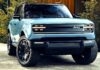
4. The Rugged Icon: Ford Bronco “New Energy”
While not a “true” American-built Bronco, the upcoming electric or extended-range Bronco models are expected to be sourced via Chinese partnerships.
The Appeal:
For many, the Ford badge provides a level of trust that new Chinese entrants have yet to earn. This model promises to combine the iconic Bronco aesthetic with modern, high-capacity battery technology, offering a “best of both worlds” scenario for those wanting adventure without the fuel costs.
Summary of Key Contenders
| Model | Type | Key Highlight | Primary Rival |
|---|---|---|---|
| Nissan Frontier Pro | PHEV Ute | 300kW / 800Nm torque | BYD Shark 6 |
| Mazda 6e | Electric Sedan | Under $50k price point | Tesla Model 3 |
| Smart #2 | Compact EV | Urban maneuverability | BYD Atto 1 |
| Ford Bronco (New Energy) | Electric SUV | Brand heritage + high tech | Traditional EV SUVs |
The Bottom Line: The next wave of electrification in Australia won’t just come from new Chinese brands, but from established favorites using Chinese engineering to deliver high-tech, competitively priced vehicles.