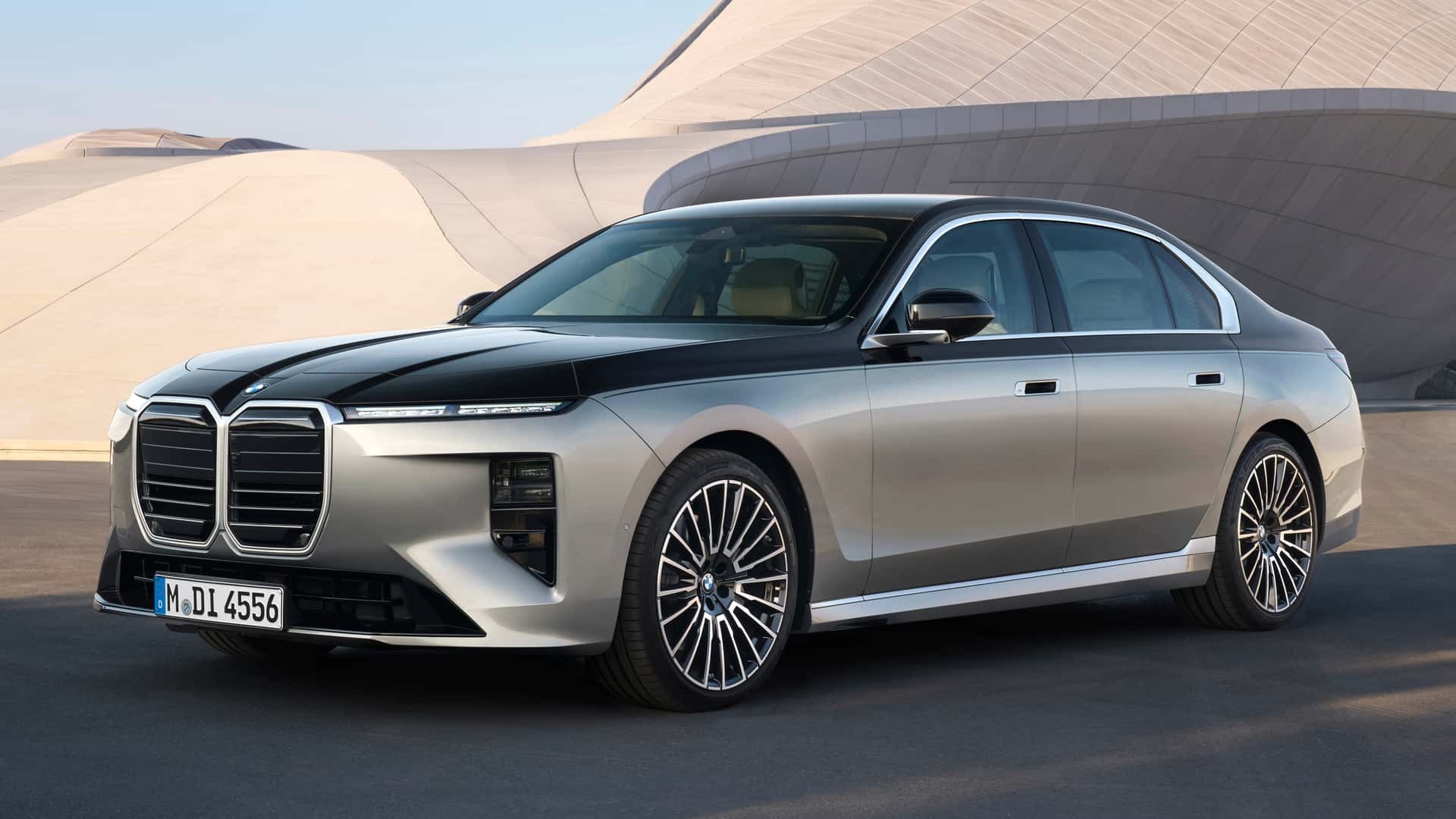
BMW has unveiled the mid-cycle refresh for its flagship 7 Series, a move that signals a significant shift in how the luxury sedan balances traditional combustion with an increasingly digital, electric future. While the exterior receives subtle aesthetic updates, the real transformation lies beneath the surface and within the cabin, where the brand is integrating its “Neue Klasse” design philosophy.
A Digital-First Interior
The most dramatic evolution occurs inside the cockpit. BMW is pivoting toward a high-tech, screen-centric environment to compete in an era where luxury is increasingly defined by software and connectivity.
Key interior highlights include:
– Panoramic iDrive: A massive, pillar-to-pillar display stretching across the base of the windscreen.
– Infotainment Hub: A central 17.9-inch touchscreen.
– Passenger Empowerment: For the first time, a dedicated passenger screen comes as standard, allowing the co-driver to access media and navigation without distracting the driver.
This shift toward a “busy” digital interface reflects a broader trend in the luxury segment: moving away from tactile, mechanical controls toward immersive, software-driven experiences.
Powertrain Updates: Performance and Efficiency
The 2027 lineup offers a diverse mix of internal combustion engines (ICE), plug-in hybrids (PHEV), and fully electric drivetrains (BEV).
Combustion and Hybrid Models
The entry-level 740 retains its turbocharged 3.0-liter inline-six engine but benefits from a larger turbocharger and a 48-volt hybrid system. This tweak boosts output from 375 to 394 horsepower, while maintaining 398 lb-ft of torque.
Later in 2026, BMW will introduce the 750e xDrive plug-in hybrid. This model combines a 308-hp inline-six with a 194-hp electric motor for a combined 483 hp. Notably, BMW has increased its top speed to 155 mph, bridging the gap between hybrid efficiency and high-performance capability.
The Electric Evolution: The i7
The most significant technical leap is found in the all-electric i7 models. By implementing BMW’s sixth-generation eDrive technology and new cylindrical battery cells, the electric variants see a major boost in usability:
- Increased Range: The i7 60 xDrive now offers over 350 miles of range, up from the previous 311 miles.
- Faster Charging: Maximum charging speeds have jumped from 195 kW to 250 kW. This reduces the time required to charge from 10% to 80% to just 28 minutes.
- Performance Tweaks: While the i7 50 maintains 449 hp, the i7 60 sees an increase in top speed to 149 mph and a slightly quicker 0–60 mph sprint of 4.6 seconds.
Pricing and Availability
Despite the technological upgrades, BMW has kept price increases minimal, with the base model rising by only $500.
| Model | Starting Price (USD) |
|---|---|
| 740 (RWD) | $101,350 |
| 740 xDrive | $104,350 |
| i7 50 xDrive | $107,750 |
| i7 60 xDrive | $126,250 |
Note: Prices include a $1,550 destination charge.
Production for the refreshed 7 Series is set to begin this July, with the plug-in hybrid variants following in late 2026.
The 2027 7 Series refresh demonstrates BMW’s strategy of “evolutionary refinement”—improving battery efficiency and digital interfaces to keep the flagship relevant as the industry transitions toward fully electric luxury.
In summary, the updated 7 Series uses advanced battery technology and a massive digital cockpit to bridge the gap between traditional luxury and the next generation of electric mobility.