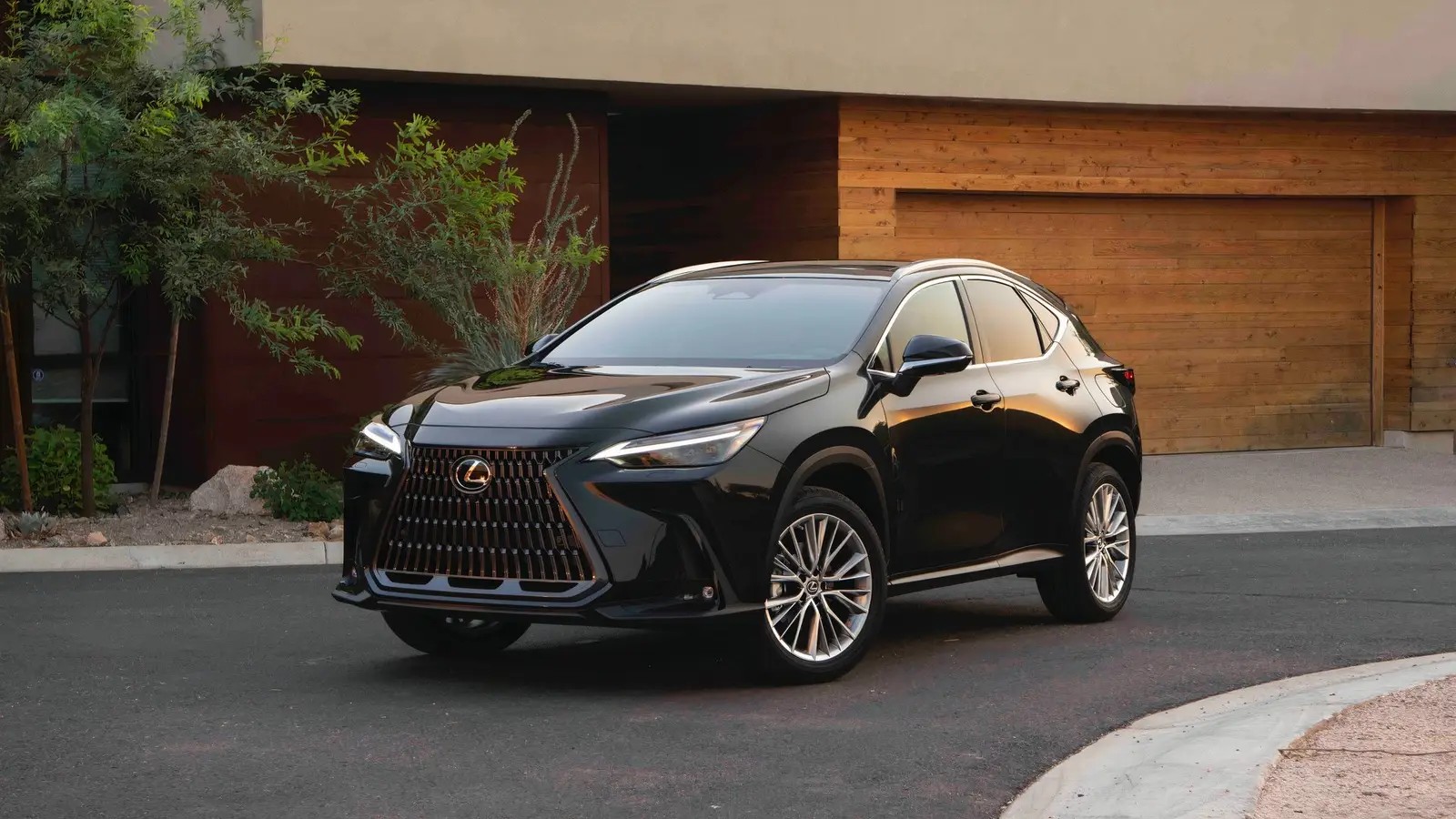
Hybrid sales are exploding. By 2026 it feels like everyone is buying one.
Why? People want MPG that actually matters without the anxiety of charging infrastructure. No more hunting for outlets. Just pump gas. It’s a sensible pivot. And honestly, hybrids today aren’t those boxy commuter cars from ten years ago. They’re faster. Stronger. Built with lighter materials. They’re becoming the mainstream default for good reason.
Lexus just got handed a golden ticket because their parent company, Toyota, has been obsessing over this tech for decades.
If you buy one though you eventually hit the bill. The battery pack replacement. It’s the ghost of ownership past haunting you. But here’s the thing. It’s not as scary as it used to be. Prices have come down. Way down.
The Sticker Shock And The Workaround
So you’ve got a 2026 NX Hybrid. It runs great. Until it doesn’t.
Go to a dealer for a new OEM battery? Brace yourself. You’re looking at roughly $5,000 to $6,000.
Yeah. I know. It sounds steep for a battery that doesn’t let you plug in. But you’re paying for the brand markup. And the labor. Dealers don’t exactly discount hybrid service.
But there is an escape hatch. The aftermarket.
Third-party vendors are popping up everywhere. Companies like Greenbean Battery or Hybrid Battery 911 take used packs from lower-mileage wrecked cars. They test them. Fix what’s broken. Sell them to you. These refurbished packs can cost under $2,000. That’s a massive difference. It changes the whole calculus of owning a ten-year-old hybrid.
Is it risky? Sort of.
Quality varies wildly. If you buy from a reputable remanufacturer they balance the cells and load test the unit. If you buy from a guy who just ripped a battery out of a wrecked Yaris and slapped on a new housing? That’s a gamble. Cells need to be balanced. If they aren’t the pack fails prematurely. You want a reputable shop. Not the cheapest listing on eBay. Not the dealer. The middle ground is usually where the sane money goes.
Warranties tell a story too. OEM comes with Toyota’s full backing. Refurb units? Usually twelve months to three years. Check the fine print. See what’s covered. A broken seal isn’t always included.
Why This Car Actually Holds Up
Look. The NX 350h isn’t perfect. The infotainment system is glitchy. Everyone complains about the screen lag. But mechanically? It’s rock solid.
J.D. Power gave it an 83/100. Edmunds says it loses only 35% of its value over five years. That’s rare for a luxury SUV. Most of them bleed value like a wounded animal.
You spend about $51k over five years to own it. Break it down: $18k for depreciation. $7.5k for maintenance. Less than a thousand on repairs. Most of the money goes to the bank not the mechanic.
That’s thanks to the engine.
The Heart Of The Machine
Toyota’s engineering team spent years perfecting the A25A engine. It’s a 2.5-liter four-caller. Boring on paper. Brilliant in execution.
They used dual-injection. Port injection clears out the carbon buildup that usually ruins direct-injected engines over time. High compression. Wide valve angles. They squeezed 41% thermal efficiency out of this thing. That’s engineering magic.
And they killed the traditional transmission. No gears. Just an e-CVT. Fewer moving parts means fewer things to break. Less to service. It’s simpler. Simplicity lasts longer.
The warranty structure backs this up. You get standard bumper-to-bumper for three years or 36k miles. But look at the rest. Six years or 60k miles on the powertrain. Ten years or 150k miles on the battery.
Ten years. They’re telling you that pack is supposed to last until 2036. Maybe beyond.
The Numbers Game
It sips gas.
City driving nets you around 41 MPG. Highway runs a bit lower. Combined, you’re looking at 39 MPG. On a 14.5 gallon tank that’s a 550-mile range. You can cross states without touching the pump twice.
Edmunds says you save $1,000 in fuel over five years compared to the average car. Do the math yourself.
A full tank costs about $75. You spend roughly $1,950 a year on gasoline. For a luxury SUV that sounds almost illegal. The AWD model gives up a tiny bit of range compared to FWD but the grip is worth the drop in MPG.
It’s not a rocket ship. Zero to 60 in 7.2 seconds. Top speed 112. It’s adequate. It’s civilized. It gets you there. It tows 2,000 pounds. Good enough for a camper or a small trailer. Not for your house.
When The Power Fades
Here is the uncomfortable part. All batteries die.
Typical life expectancy? 100k to 200k miles. Eight to fifteen years. Maybe longer if you’re gentle with it. Maybe sooner if you drive in extreme heat or hammer it from stoplights every morning.
Lithium-ion is denser. Stronger. But heat kills it. High temperatures accelerate degradation faster than anything else. If you park in direct sun for five hours a day expect shorter life.
Signs are usually subtle. You notice the MPG dipping. The acceleration feels sluggish when merging onto the highway. The check hybrid light comes on.
Chemicals break down. Electrodes deteriorate. After two hundred thousand miles expect to lose 20-30% of that initial capacity. It’s inevitable physics. Not a defect. Just age.
The management system tries to balance it all but cells wear out unevenly. One bad cell drags the whole pack down.
So you wait. You monitor the diagnostics. And when the time comes you have a choice. Spend six grand at the dealer? Or hunt down a certified refurbished pack for three times less?
Most owners find the car keeps going long after they thought it would. They replace tires. Brakes. Shocks. And eventually that heavy battery pack sitting under the cargo floor.
It’s a maintenance cost not a death sentence.