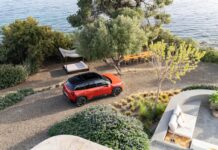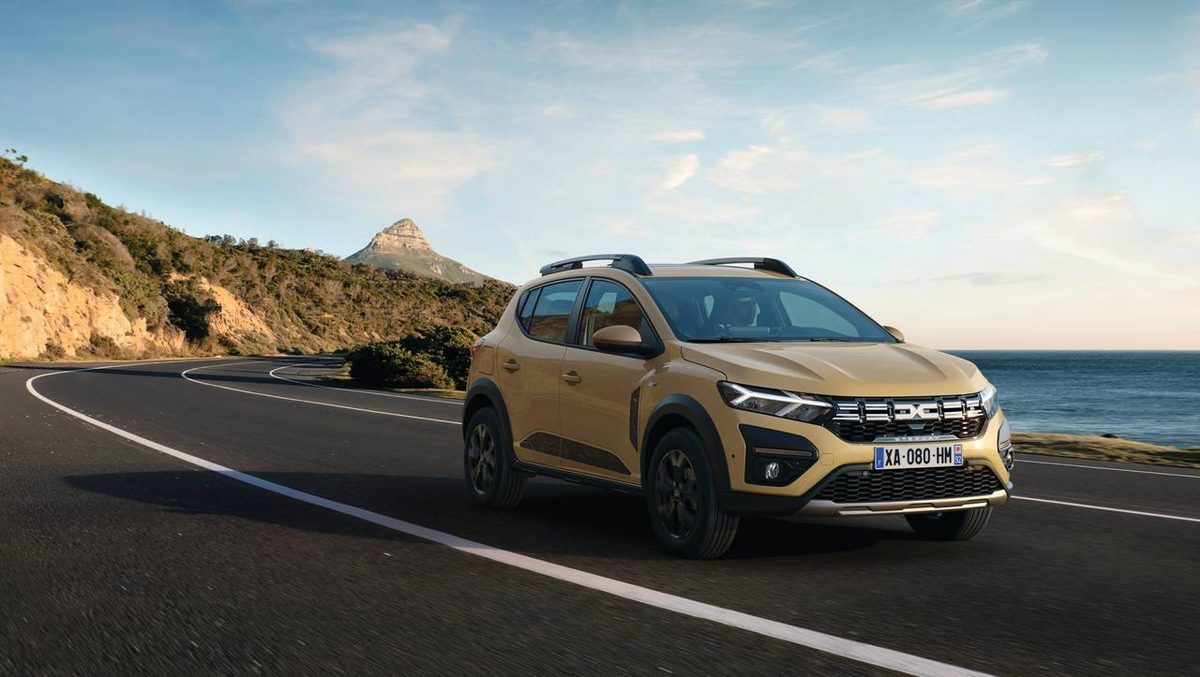
Sandero Stepway has always been a durable version of Dacia’s city car and fits anywhere. It’s small. It is very versatile. It ticks a lot of boxes for buyers who want more ground clearance without falling into the SUV category. But today it has cast a long shadow over the regular Sandero. This overlap is disappearing.
Dacia is preparing something new.
Instead of keeping the Stepway as a trim level or a special version of an existing hatchback, the Romanian manufacturer is making it its own unique model. Despite its name, it’s just a compact crossover. This change is a direct response to customer demand for a vehicle that feels truly adaptable without forcing buyers to upgrade to larger Dusters.
Let’s be honest: Duster are getting expensive.
The latest development has increased the size and price of the Duster. It’s no longer the budget-friendly starting point it once was. The Duster suddenly became out of reach for drivers who wanted a crossover stance but didn’t need the extra space or high sticker price. The Stepway has been updated as a stand-alone model to fill this gap. Offers versatility without paying extra.
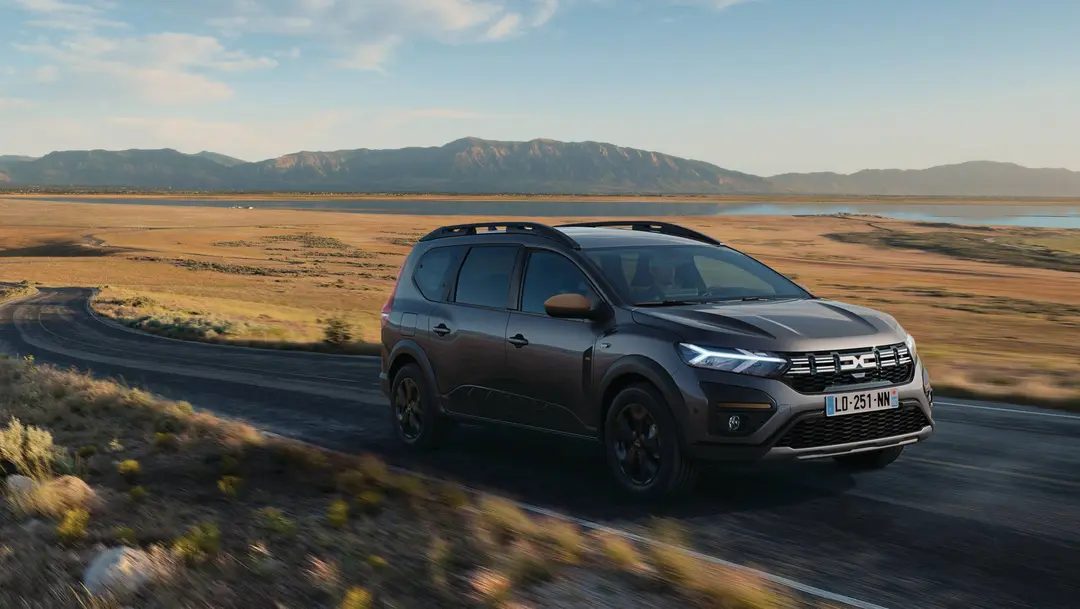
Dacia’s next step: pure combustion in the B-SUV segment
Dacia fills the void left by the diminishing options in the compact SUV market, and it does so without an electric battery. The upcoming model has been confirmed to be a exclusively thermal. There is no plug-in hybrid. No BEV. It will keep the brand’s affordable ethos intact, Probably with an internal combustion, Probably tweaked with mild-hybrid tech or LPG.
Think of it as filling a hole. The competition in the B-segment SUV market is fierce, but Dacia needs an affordable competitor. To keep costs down, it uses the proven Renault platform. The CMA architecture used by Clio or Captur is fully compatible. This is not revolutionary. You can count on it. For Dacia, the whole strategy is reliability at a low price.
Powertrains: familiar, not futuristic
The engine range is likely to be the same as in the Jogger. This means there will be a mix of standard petrol engines, mild hybrid models and LPG setups. LPG has a large presence in many European markets, and Dacia has championed it as a cost-cutting measure to help commuters who can’t afford (or don’t want) to deal with electric vehicle charging infrastructure.
An electric version of this model is not planned. So far, the spring is Dacia’s only electric offering. This does not completely rule out electric vehicles; it is a pragmatic choice. The B-SUV segment is price sensitive. Adding a battery will blows the budget. Continued strong performance could help Dacia overtake its rivals, which have been forced to raise prices for electrified variants.
Why is this important now?
The vehicle adoption is slowing down in some areas. The prices are very high. Charging anxiety is real. By sticking to combustion, Dacia is targeting a demographic that is not ready to switch. They want the SUV shape and higher driving position of an SUV, but they don’t want the monthly payments that come with electric cars.
“Dacia doesn’t have to be the first of every trend; it has to be the first of every wallet.”
The choice of platform is key here. The use of the Clio/Captur base allows parts to be shared, which reduces development costs and makes maintenance easier for the buyer. This has nothing to do with performance. It’s about accessibility.
Conclusion
In the eyes of tech enthusiasts, this new model is not the future of mobility. But for most buyers in Europe and beyond, it’s probably the only sensible choice. The Spring exists for those who can go electric. This unnamed B SUV is for everyone else.
Dacia knows its lane. They’re not trying to compete with the Tesla Model Y or the Ford Puma E-Active. They compete with the used car market. a simple, LPG-friendly, combustion-powered SUV are dangerous weapons in this battle.
Will they ever make an electric version? Probably. But not for this one. Not yet. The Spring holds that title alone, for now. The remaining products use natural gas or LPG to maintain heat and keep prices reasonable or low.