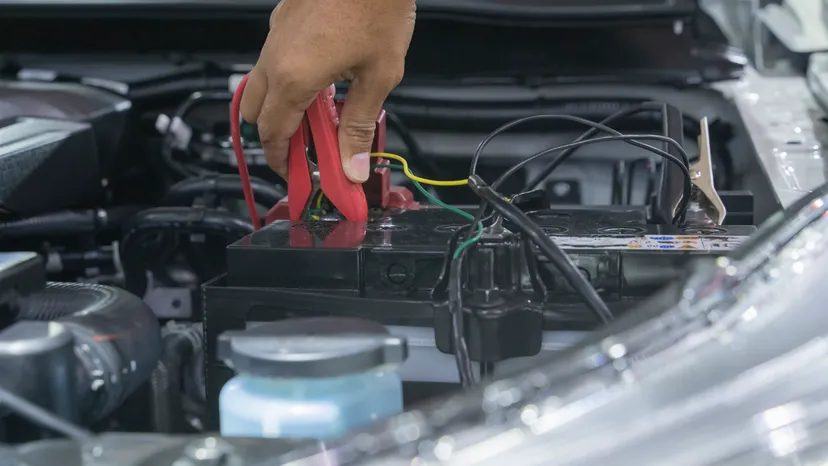
You need to know how to charge a car battery. It isn’t just for mechanics. It’s for anyone who wants their vehicle to start when the weather turns cold or they’ve left the dome light on. A dead battery is a nightmare. It stops you in your tracks. But the fix is simple if you follow the right steps. We’ll walk through the process. Even if you’ve never held a charger before, you’ll handle this like a pro.
Why Your Battery Died
Batteries don’t just die for no reason. Often, it’s bad charging habits. Overcharging kills batteries fast. It creates excessive heat. Pressure builds up inside the case until the cells deteriorate. Undercharging is just as deadly. It leaves the battery in a partial state of charge. This leads to sulfation. Lead sulfate crystals form on the plates. They block the chemical reaction. Your capacity drops. Performance plummets.
Look at what’s plugged into your car when the engine is off. Accessories drain power. If you’re not careful, they’ll leave you stranded. Follow the manufacturer’s guidelines. Use a reliable charger. It must regulate the flow. Check your charging system regularly. Inspect battery health. These steps prolong life. They ensure consistent power when you need it most.
Positive and Negative Terminals Explained
You need to know your terminals. The positive terminal has a plus sign (+). It connects to the cathode. Current flows out from here to your electrical systems. The negative terminal has a minus sign (-). It connects to the anode. Current returns here after circulating through the vehicle. This loop starts the engine and powers components.
Inside the battery, lead plates meet sulfuric acid electrolyte. Chemical reactions move electrons from negative to positive. This creates the circuit. It powers your needs. Confuse the polarity and you risk damage. Know which is which.
Handle With Care
A car battery is not a toy. It contains chemicals. They produce hydrogen gas during use. Hydrogen is volatile. It can explode. Conditions vary. It can happen while starting the car. Jump starting can trigger it. Shorting the terminals with a screwdriver is a fast way to cause an explosion. Even sitting on a table in a parked car can be risky under the right conditions. Treat it with respect. Safety first.
Proper Connection Protocol
The sequence matters more than you think.
If you mess this up, you risk sparking near hydrogen gas. That is not a fun night.
First, disconnect the terminals. Start with the negative (black) cable. Then the positive (red).
Never start with positive.
Once the battery is isolated, verify your charger is unplugged. Switch off.
Now, hook it up.
Positive to positive. Negative to negative.
Charging Strategies and Settings
You have two main paths here.
Trickle charge. Or fast charge.
Trickle charging uses lower voltage and current. It takes longer. It is also better for the battery’s long-term health.
Fast charging dumps higher amperage in quickly. Use it if you are in a rush. But check your specific charger’s manual for the correct settings. Some units auto-shutoff. Others run for a set time.
Do not walk away from your car if you are using a manual timer. Stay nearby.
When the battery is full, turn off the charger. Unplug it.
Disconnect in reverse order. Negative first. Then positive.
Can a Charger Jump-Start Your Car?
No.
A standard charger provides a slow, steady flow of electrons. It lacks the immediate, high-amperage surge required to turn a starter motor.
You cannot jump-start a car by simply driving with a charger connected to a flat battery. It simply does not provide enough power.
If you are stuck, use jumper cables. Or a jump starter pack. Not a wall charger.
Buying the Right Gear
Not all chargers are created equal.
Look at your battery’s Amp-hour (Ah) rating.
Your charger should output at least 10% of that rating.
If you have a 100Ah battery, you need a minimum 10-amp charger.
Want it done faster? Go for a higher amp unit.
But remember, speed often trades off against longevity.
Maintenance and Lifespan
Most batteries last five years.
Provided you maintain them.
Good care extends life.
Corrosion on terminals? Clean it.
Electrolyte levels? Check them (if your battery allows access).
Vibration? Secure it tight.
Neglect kills batteries faster than age.
Keep an eye on the age. Write the install date on the terminal.
Five years is a good rule of thumb. But heat and deep cycles can shorten that window.
Why Disconnect?
Always disconnect before charging.
It isolates the battery from the car’s electronics.
Modern cars have sensitive computers. A power surge from a cheap charger can fry a module.
Isolation protects the ECU.
It also prevents accidental shorts.
Sparks in an enclosed engine bay are dangerous.
Remove the negative cable first. Create a safe gap.
Then charge.
Common Questions
Can I drive with the charger attached?
Technically yes, if the charger is designed for it and connected properly. But practically? No. You need that full charge in the battery to start the car. A charger alone cannot jump-start the engine.
How often should I check my battery?
Every few months. Especially in extreme weather.
Heat roams batteries. Cold kills them.
Visual inspection for cracks or leaks is key.
What if my battery won’t hold a charge?
It might be sulfated.
Or the alternator is failing.
Test the charging system.
If the alternator puts out 13.5-14.5 volts while running, the battery is likely the issue.
If voltage is low, replace the alternator.
Is trickle charging necessary?
For storage, yes.
If you leave the car for weeks, a trickle charger maintains voltage.
Prevents the battery from dropping below the critical threshold.
Once a battery dies completely, lead sulfate crystals harden.
They become difficult to reverse.
Keep it topped up.
Final Thoughts
Charging is simple.
Execution is where people fail.
Read the manual.
Follow the order.
Respect the electricity.
Your battery is a chemical reactor. Treat it with care.
And if it dies?
Check the connections first.
Most “dead” batteries are just loose or corroded.
Clean it up.
Hook it up.
Wait.
Patience is part of the process.