Your carbon footprint doesn’t vanish just because you drive an EV. Even internal combustion engines leave a trail of waste that demands attention. We tend to think of maintenance as a nuisance. A chore. But consider the sheer volume of material cycling through your chassis annually. Old tires. Dead batteries. Sludge-filled oil pans. These aren’t just trash. They are resources waiting to be reclaimed.
Recycling automotive parts isn’t just about being “green.” It’s about avoiding toxins, supporting circular economies, and occasionally making a few bucks. Here is the breakdown of the six most common recyclable car parts and how to handle them without ending up with a citation or a hazardous spill.
Used Motor Oil
This is the undisputed king of recyclable car fluids. Conventional motor oil breaks down in roughly three months. Synthetic blends last longer, but they degrade nonetheless. Your vehicle consumes gallons of this stuff over its lifespan.
If you drop your car off at a service shop, the mechanic likely already funnels that black sludge into a re-refining drum. They should. It’s illegal in many jurisdictions to dump it in the ground. One quart of oil can contaminate one million gallons of fresh water. Do not be that person.
If you’re a DIYer, you have a responsibility. Take the used oil to your nearest recycling center or hazardous waste facility. Do not pour it down the drain. Do not bury it. There is a network of collection points specifically for this. Use them.
Oil Filters
The filter itself is recyclable, but only after the oil is drained. A filter sitting in a bucket of used oil is hazardous waste. A filter drained for at least 24 hours is scrap metal.
Most auto parts stores that sell filters will take the old ones back. If not, check with your local municipal waste authority. The Filter Manufacturers Council maintains a directory of recycling centers across the US. It’s a quick search that saves you the hassle of guessing where to take it.
Car Batteries
Lead-acid batteries are among the most recycled consumer products on the planet. Yet, people still toss them in the trash. Don’t. The lead inside is highly toxic to human nervous systems. The acid inside eats through concrete.
Luckily, the infrastructure for recycling is robust. Most US states have “take-back” laws. This means retailers are legally required to accept old batteries when you buy new ones. Often, you get a core charge refund or a direct discount. It’s easy money for preventing environmental disaster.
Tires
Tires are bulky. They don’t decompose. They trap water, becoming breeding grounds for mosquitoes and fire hazards. Landfills hate them.
When your tread is gone, take them to a recycler. They get shredded. The rubber becomes fuel for cement kilns. The steel belts are recycled. The textile fibers? They can become playground turf or artificial grass. It’s a complex process, but it’s far better than letting them sit in a pile in Nebraska.
Scrap Metal
Not all metal is created equal in the eyes of the law. Some parts are simple enough for your curbside bin. Others require a trip to the salvage yard.
Small items like headlight bezels, door handles, and side mirrors might fit your local recycling guidelines, provided they are under the weight limit (often 336 pounds) and contain no fluids. You need to check your specific municipal rules.
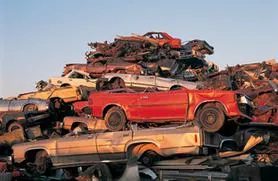
Larger pieces—steel wheels, fenders, radiators, doors—are usually too big for curbside pickup. Take these to a junkyard or scrap metal recycler. Some will pay you by the pound. Others might just take them off your hands for free. Either way, the metal gets melted down and reused.
Note: Catalytic converters, mufflers, and brake shoes often have special handling requirements due to residual fluids or materials. Don’t toss them in the general scrap pile without checking first.
Auto Glass
This is the tricky one. Windshields end up in landfills more often than they should. Automotive glass is laminated safety glass. It’s not the same as the window on your kitchen table. It contains a plastic interlayer that makes standard glass recycling facilities reject it.
However, specialized programs are emerging. If your local area doesn’t have an automotive glass recycling program, look for products made from recycled auto glass. You’ll find it in floor tiles, countertops, and even jewelry. Buying these products supports the industry until recycling becomes more widespread.
The Bottom Line
Recycling car parts isn’t always convenient. It takes time. It takes trips to multiple drop-off points. But the alternative is worse. Toxins leaching into soil. Finite resources wasted.
By handling these six categories correctly, you’re not just cleaning up your garage. You’re participating in a system that keeps the planet from choking on our own debris. It’s a small step. But it’s a necessary one.
Recycle Automotive Parts FAQ
Can car parts be recycled?
Yes. The six primary categories are used oil, oil filters, batteries, tires, scrap metal, and auto glass.
Can you make money from old car parts?
Yes. Salvage yards often pay cash for larger scrap metal items like steel wheels, doors, fenders, and radiators. Battery exchanges also frequently offer cash or credit incentives.
What is the most valuable part of a car to recycle?
Catalytic converters, engines, and transmissions are typically the most valuable due to the precious metals and complex machinery they contain.
What can you do with old car parts?
Most metal parts are recyclable. Small, clean items may fit curbside recycling. Larger items go to salvage yards. Fluids and batteries require specialized hazardous waste facilities.
How do you dispose of used motor oil?
Never dump it. If you change the oil yourself, store it in a sealed container and take it to a recycling center or auto parts store. Service shops handle this disposal for you during oil changes.