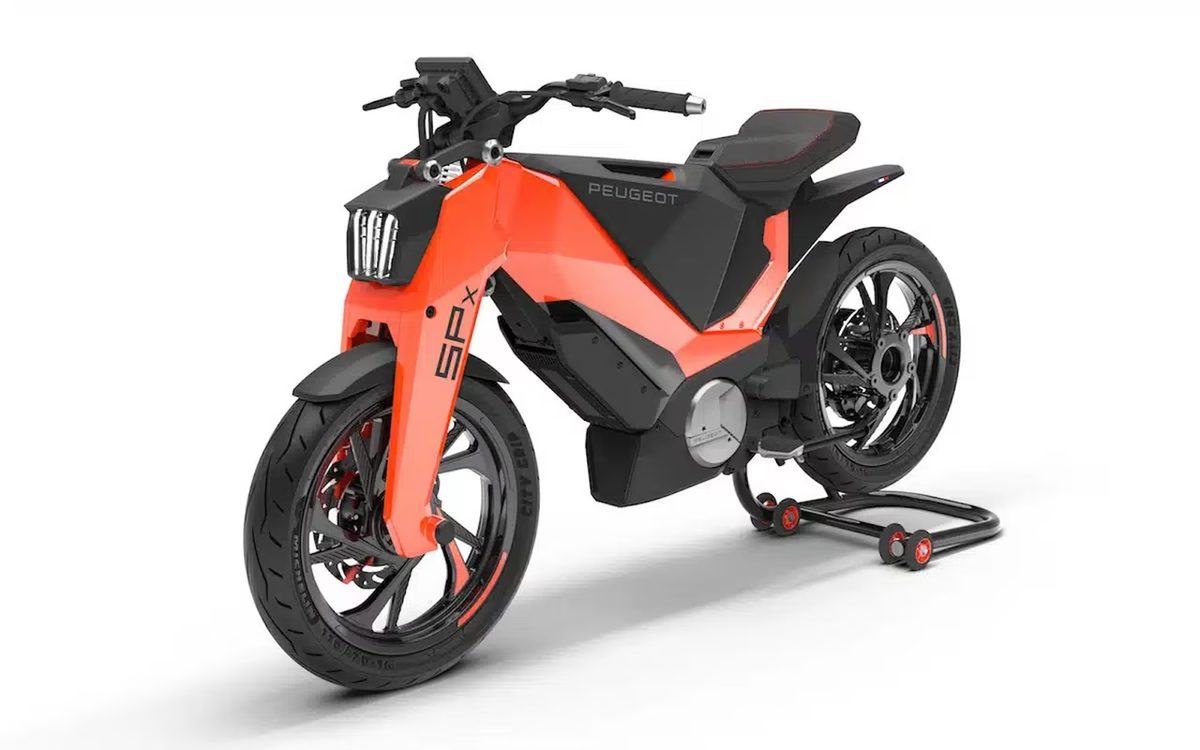
The Peugeot 103 is back, but it is not the little 49 cm3 beast that ruled the streets from 1971 to 2017. Peugeot Motocycles is bringing back the nameplate with a vehicle that sits squarely between a standard electric bicycle and a conventional scooter. It targets the same demographic that once flocked to the original model: teenagers and students who need affordable, legal freedom without the burden of a full motorcycle license.
How the new Peugeot 103 electric moped fits the market
This machine is a hybrid. It is not a bike you pedal, but it is not a heavy scooter either. The design philosophy relies on simplicity. You straddle it, twist the throttle, and go. The key differentiator is the powertrain. Unlike the carbureted 49 cc units of the 20th century, this new iteration uses an electric motor.
The Peugeot 103 is a direct descendant of the moped that gave a generation its first taste of independent transport.
The original 103 was famous for its durability and low maintenance. The new version keeps that spirit but swaps the internal combustion engine for a battery pack. This shift addresses two modern concerns: environmental regulations and the high cost of fuel. For a student, the operating cost of electricity is negligible compared to petrol.
Which features define the new Peugeot 103?
The vehicle is designed for urban commuting. It is lightweight enough to be maneuvered in tight city spaces. The seating position is upright, reducing fatigue on short trips. The handlebars are wide, offering better control at low speeds where most mopeds operate.
- Power Source : Electric motor (specifics vary by market, but generally low power to remain in the moped class).
- Target User : Riders with a basic moped license or those using pedal-assist exemptions depending on local law.
- Style : Retro-inspired, nodding to the 1971-2017 lineage.
Why does this matter? Because the moped class is often overlooked in the electric transition. Everyone is looking at e-scooters and e-bikes. The moped fills a gap. It offers more protection than a bike but less complexity than a scooter. It is the practical choice for the daily 5-mile commute.
Is the new Peugeot 103 better than a standard e-scooter?
Not always. It depends on what you need. An e-scooter is cheaper and more portable. But the Peugeot 103 offers a larger deck, better stability, and a more comfortable riding position. If you ride in rain or wind, the scooter-like shape of the 103 is superior. The wind protection is minimal, but the bodywork provides a slight shield compared to a naked e-bike.
The brand history adds a layer of nostalgia. Seeing the “103” badge on an electric machine triggers memories of the 80s and 90s. It is a marketing move, but also a genuine technical update. Peugeot is betting that the simplicity of the moped concept will outlast the hype cycle of complex e-mobility devices.
The battery life is the main question for potential buyers. Most
Replacing the Monospace: How the Electric Kickstarter Revives the Classic Moped
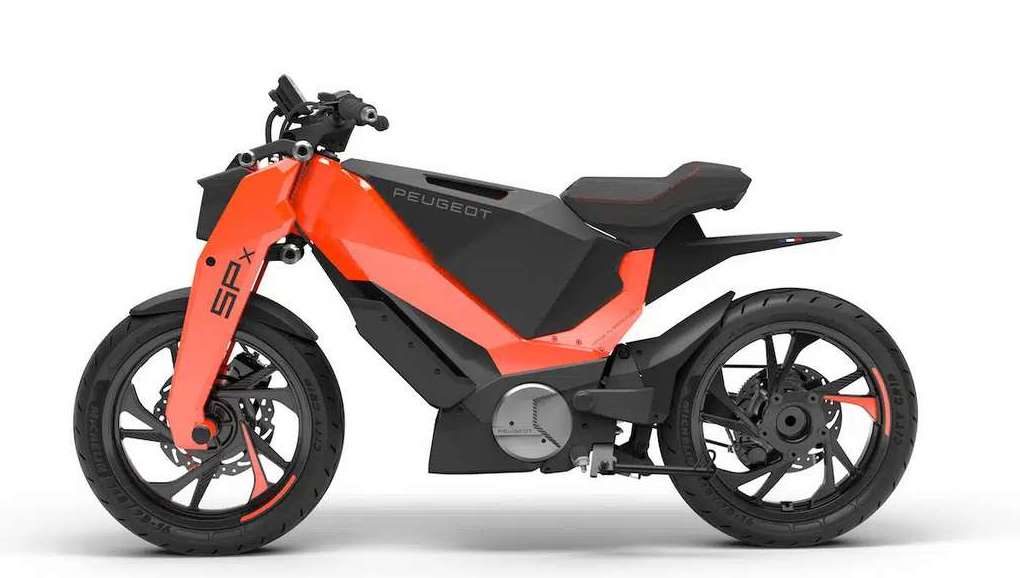
The hierarchy of two-wheeled mobility has shifted for years. Scooters ate the moped market, just as SUVs swallowed up minivans. But the rise of electric micro-mobility is cracking that structure open. Peugeot Motocycles is betting on that shift with the Peugeot 103 SPx concept. It is not a nostalgic replica, but a hard look at what the 103 would be if it never died. They took the iconic silhouette of the 103 SP and ran it through a contemporary filter. The result is a vehicle that sits in a new niche: the seated electric scooter. It is a category that has grown quietly since the boom of standing e-scooters. Peugeot sees an opening to bring the most famous moped in history back from the dead, this time with a battery pack instead of a two-stroke engine.
Materials and the Weight of History
Building a vehicle that feels light requires stripping away the heavy, traditional parts. The SPx concept relies on aluminum for its core structure. This choice is about more than just looks; it is about keeping the total weight down so the electric motor can do its job efficiently. The design team also leaned into recycled materials. In an era where carbon footprints matter to buyers, using existing plastics and metals reduces the environmental cost of manufacturing. It is a practical move that aligns with the “soft mobility” trend.
Damien Basset, the Director of Design at Peugeot Motocycles, puts the history into perspective. He argues that the 103 was never just a bike. It was a tool for freedom.
“The 103 embodies the culmination of the moped’s evolution. Every aspect, from its design to its ergonomics, was centered on its functionality. For many, it was their first bike, their first experience of freedom. Today, it has become a cult object.”
That cult status is the hook. People remember the sound of the engine. They remember the kickstart. They do not need a lecture on heritage. They need the shape. Peugeot is giving them the shape, but swapping the soul for something quieter. The 103 SPx is an attempt to turn a memory into a modern utility. Whether it sells depends on whether people want the feeling of riding a 103 without the smell of oil. The market will decide if a silent kickstarter is enough to keep the dream alive.