


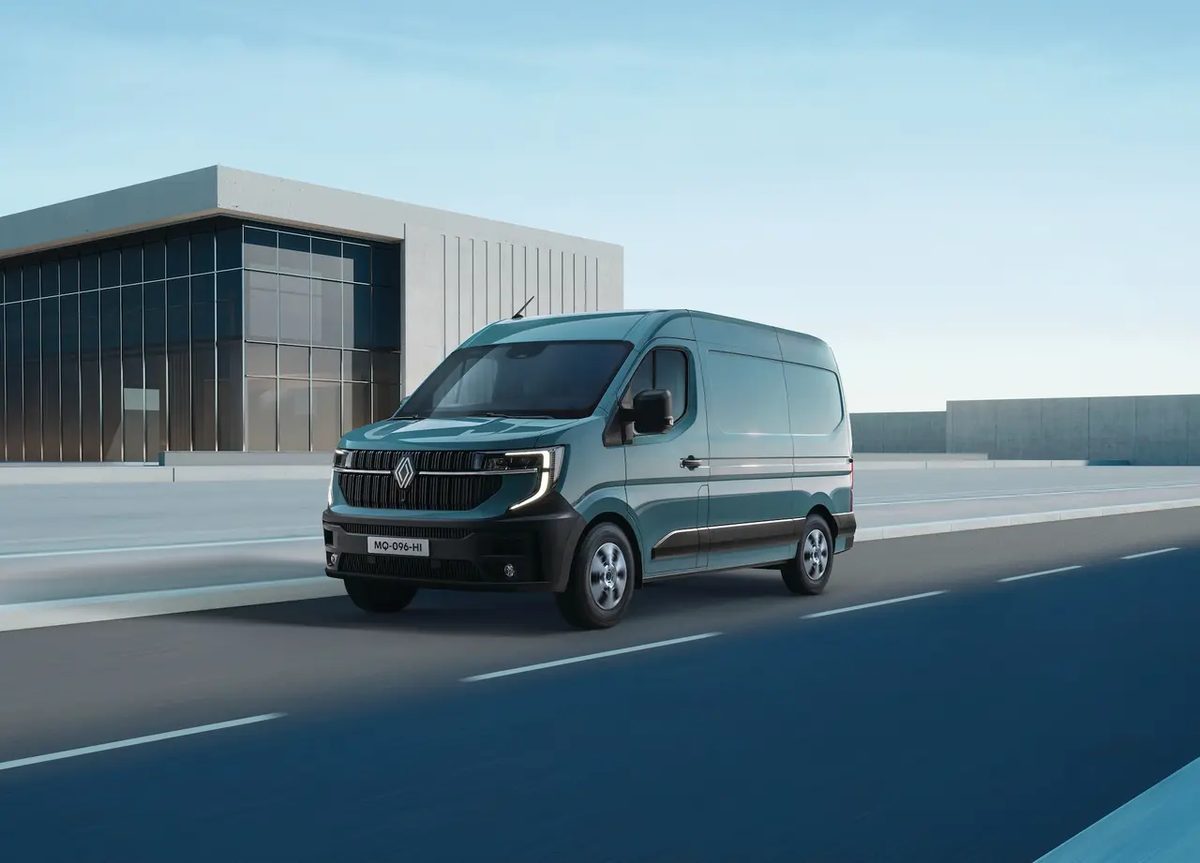
It started in 1980. The Renault Master has moved nearly three million units since then. That is a lot of metal on French roads. To mark 44 years of continuous production, Renault isn’t just polishing chrome. They are rewriting the book with a revised body and a serious electric powertrain. The numbers are telling. You get up to 460 kilometers of range on a single charge. For logistics managers and delivery drivers, that specific range matters. It isn’t just a spec sheet number. It changes how you plan your day.
Why Electric Vans Make Noise
Before we dive into the specs, we need to address a weird side effect of electrification. How are the sounds of electric vehicles created? It isn’t random. These sounds are engineered. They have to make noise. Why? Because silence can be dangerous for pedestrians. In this episode, we talk with the actual people who gave a voice to Renault’s EVs. It sounds odd for a silent machine to need a soundtrack, but it is a critical safety feature. The auditory profile is designed to alert people nearby without being a high-frequency nightmare.
The E-Tech Definition
At Renault, the badge “E-Tech” means electrification. It covers the spectrum. You have the Clio E-Tech with hybrid motors. Then there are the 100% electric models like the Mégane E-Tech and the new Renault 5. The new Master joins that all-electric lineage. It is available as a standard van. It also comes as a chassis-cab with a tipper body for construction work.
“The new Renault Master is not just a rebrand. It is a direct response to the efficiency demands of modern professional fleets.”
This entry into the EV market puts it squarely in the ring with established rivals. You are looking at the Fiat e-Ducato. You are looking at the Mercedes eSprinter. These are the titans of the sector. The Master has to compete with them on range, payload, and total cost of ownership. The revised bodywork suggests Renault knows the old shape was showing its age. The new profile isn’t just aesthetic. It is about aerodynamics and interior space optimization for the electric era.
The move to 460 km of autonomy addresses the biggest anxiety for van users: range anxiety. Professional drivers often cover long distances with tight schedules. Being able to go nearly half a thousand kilometers without plugging in changes the game. It reduces downtime. It allows for multi-stop routes that were previously risky on a single charge. This is where the rubber meets the road. The electric Master isn’t just an eco-friendly badge. It is a tool for efficiency.

Under the Hood: The 87 kWh Battery and Real-World Range
The numbers on the spec sheet tell a straightforward story about range anxiety being a thing of the past. We are looking at an 87 kWh battery that delivers a maximum range of 460 kilometers under the WLTP cycle. That is not just enough for a weekend road trip; it is enough for a week of commuting without sweating the charge icon.
But charging speed matters just as much as total capacity. If you are stuck on a long haul, the system allows you to recover 80% of that range in just 38 minutes using a fast-charging station. That is a coffee break and a restroom stop, not a significant chunk of your day. For those who need a quicker turnaround, this is a vital metric that separates serious EV contenders from the also-rans.
Entry-Level Options and Tech Upgrades
Not everyone needs the full tank. Renault is smart enough to know that city dwellers don’t need 460 km of buffer. A more accessible version will drop the battery down to 40 kWh. This targets the urban commuter who charges at home every night and rarely sees the highway. It keeps the entry price lower while maintaining the core utility of the platform.
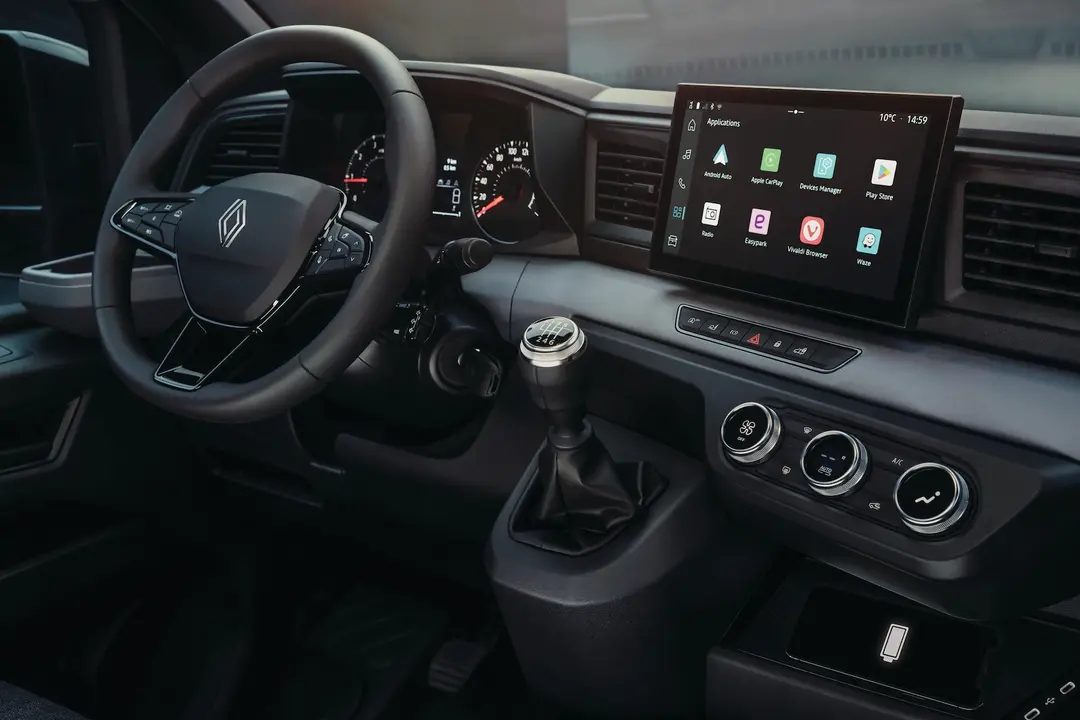
Inside, the tech leap is where you notice the effort. The old interfaces are gone. In their place is the new R Link system integrated into a modern dashboard layout. The screen is sharper. The response time is snappier. The clutter is gone. It feels less like a car infotainment system and more like a high-end tablet bolted to the console.
Why This Matters for Daily Driving
The combination of fast charging and a streamlined UI changes how you interact with the car. You stop planning around the charger and start driving around your life. The 40 kWh option ensures that budget-conscious buyers aren’t left out, while the 87 kWh pack keeps the range enthusiasts happy.
Which setup do you need? It depends on your daily mileage. If you stay under 30 km a day, the smaller battery suffices. Anything more, and the fast-charging capability of the larger pack becomes a necessity. The tech upgrade is the cherry on top, but the battery choices define the car’s practicality.
The dashboard feels modern. The charging curve is steep. The choices are clear. You just have to decide how much range you actually need before you commit to the purchase.

Most people think of vans as big, boxy cubes. They are built for volume. Cargo space is king. Load capacity is everything. But Renault disagrees.
The company developed the Aéro Van concept to prove that shape matters. It is not just about fitting more boxes inside. It is about cutting through the air. The goal? Maximum aerodynamic efficiency for the new Master.
The Ten-Centimeter Advantage
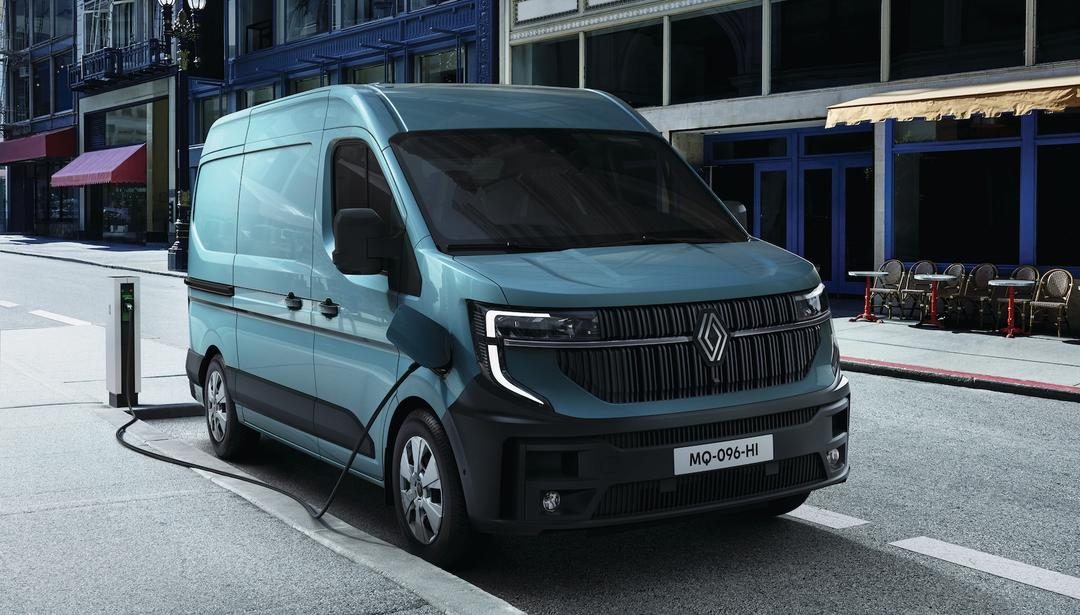
The first change is visual. The cab is pushed forward by ten centimeters. This seems small until you stand next to it. That extra length allows the windshield to tilt back significantly.
A steeper angle slices through the wind. It reduces drag. It helps the vehicle penetrate the air rather than pushing it.
“The cab is advanced by 10 centimeters, allowing a more inclined windshield for better air penetration.”
Renault didn’t stop at the glass. They optimized the front bumper. They redesigned the mirrors. Every surface was scrutinized. The result is a van that looks sharper. It flows better.
Fuel and Efficiency Gains
Why does this matter to you? If you drive a thermal engine van, the numbers are stark.
Renault claims a drop in fuel consumption of around 1.5 liters per 100 km. That sounds modest on paper. But fuel prices have been brutal. That saving adds up fast. It impacts your bottom line directly.
For the electric version, the story is even more critical. Range anxiety is real. Efficiency is survival. Renault reports a 27% reduction in energy consumption.
This is huge. A 27% improvement means you can carry more weight over longer distances. Or you can charge less often. Both options increase daily profitability.
Pricing and Specs
How much does this efficiency cost?
The entry point for the diesel model is competitive. The Blue dCi 105 starts at €40,000. It is a reliable workhorse. It gets the job done without breaking the bank.
Electric buyers face a steeper climb.
- Small Battery Model: Starts at €50,000.
- 87 kWh Battery Model: Costs €58,000.
The price difference is significant. But consider the operating costs. Diesel burns cash daily. Electricity costs less per kilometer. The Aéro Van design widens the gap between purchase price and total cost of ownership.
Who Is This For?
This is not a vehicle for city couriers who stop every five minutes. It is for long-haul operators. Delivery fleets. Tradespeople who drive hundreds of kilometers a week.
If you spend your life on the highway, drag is your enemy. Wind resistance eats power. It eats fuel. It eats range.
The Renault Master Aéro Van attacks that problem head-on. It is not a luxury add-on. It is a financial tool. The advanced cab and sleek bumper are engineering solutions to a simple economic problem.
Prices are fixed. Fuel is volatile. The Aéro Van offers a variable solution to a fixed cost.
Is 10 centimeters enough to change a business model? Maybe not on its own. But combined with better mirrors and a sloped nose? It adds


