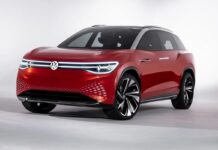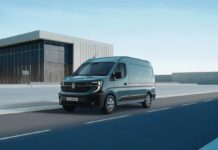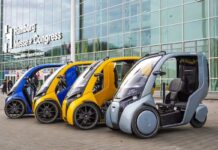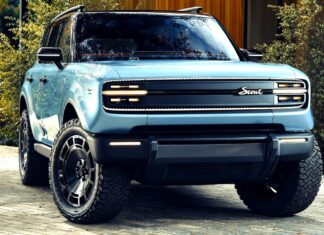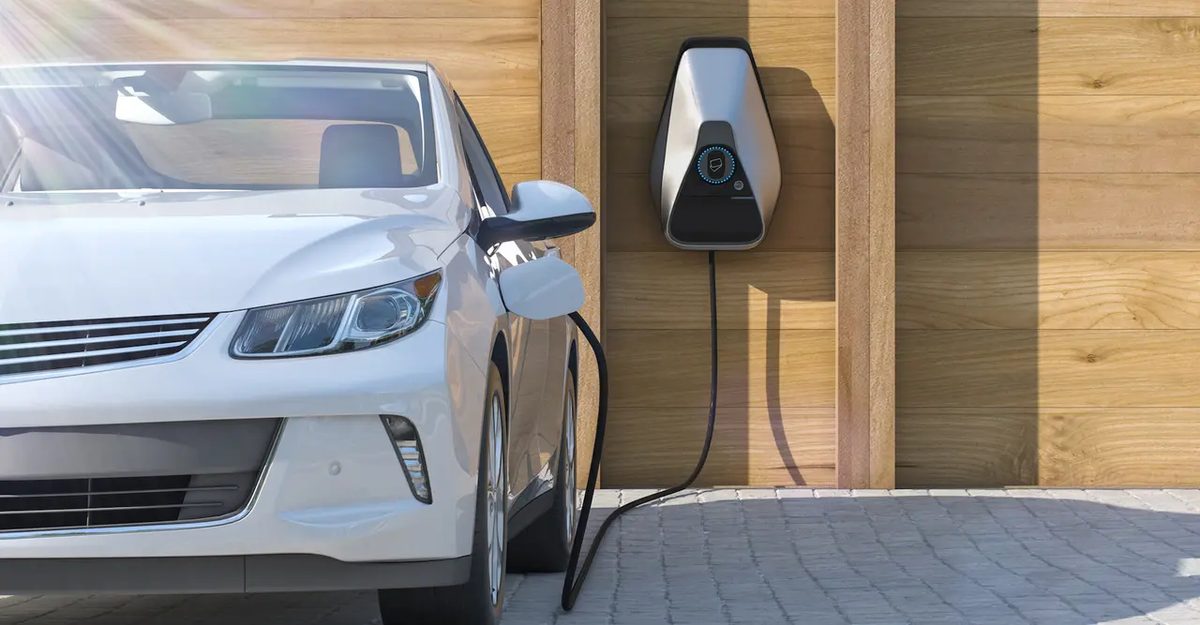
The Frankfurt Motor Show closed its doors on September 22, 2019. The headline wasn’t just about shiny new body kits. It was about a massive surge in electric vehicles. Manufacturers were signaling they were ready to pivot hard toward electrified mobility.
But buyers had a nagging doubt. Charging infrastructure. Range anxiety. Those were the real blockers. Consumers didn’t just want power. They wanted speed. Or at least efficiency.
Why Smart Charging Matters for EV Owners
That efficiency might come from smart charging. Also known as intelligent charging. The concept is simple. You let technology decide when to plug in. The car charges automatically during the best windows of the day. Maybe when you’re stuck in office meetings. Or when electricity rates drop to their lowest point.
This approach offers two things. Flexibility. And savings.
But there is a bigger picture here. A transition energy context. Grid managers are struggling. They need to integrate more renewable sources. Solar and wind. These sources are intermittent by nature. Hard to predict. Hard to manage.
Smart charging solves this by adapting to the electrical environment. It charges batteries based on local renewable production. It turns passive consumption into an active, responsive tool.
Smart charging provides non-carbon fuel for electric vehicles while balancing grid demand.
V2G: The Next Step in EV Technology
Think of Vehicle to Grid (V2G) as smart charging 2.0. It is a revolution in motion. Nissan and the EDF Group recognized this potential. They signed a cooperation agreement to develop these solutions. They are combining their respective technologies.
With V2G, energy flow becomes bidirectional. It moves from the grid to the car. And back again. Cars spend most of their time parked. Sitting idle. That stored energy can power a home. An entire building. Or feed back into the broader electrical system.
This helps smooth out evening consumption peaks. More importantly. It patches holes in renewable production. When the sun doesn’t shine. Or the wind doesn’t blow. The grid needs backup. Electric vehicle fleets can provide that. It acts like a massive virtual battery.
Electric cars also absorb excess wind or solar power. This prevents grid overload. The EV becomes an active link in the future electrical system. A key player in sustainable mobility.
In France, Dreev, a subsidiary of Izivia, installed early V2G charging points a few months ago. They support the fleet of 160 vehicles for Hotravail, a small enterprise near Bordeaux. The infrastructure is being tested. The technology is real.
The infrastructure is being tested. The technology is real.