


When you’re staring at a price tag for a new vehicle, safety and comfort aren’t just checkboxes. They are the deciding factors. Brands know this. That is why modern cars are loaded with modules designed to keep you alive and relatively relaxed. If you love the big three German marques—BMW, Mercedes-Benz, or Audi—this is your starting point. We are going to look at how these priorities translate into specific models. Let us start with a legend.
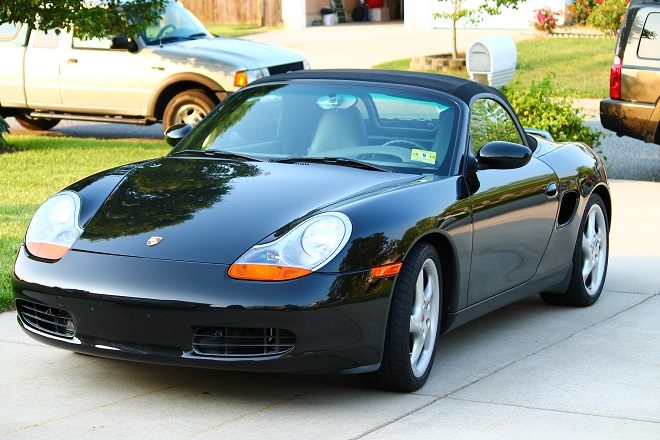
1. Porsche Boxster
The Boxster is not just a sports car. It is a masterclass in mid-engine balance. Porsche put the engine behind the driver. This layout shifts the center of gravity rearward. The result is handling that feels glued to the asphalt. But it is not all about lap times.
Comfort matters here too. The interior materials are top-tier. The seats hold you in place without causing fatigue on longer drives. Safety features include advanced airbag systems and stability control. The Boxster proves you do not have to sacrifice daily drivability for performance.
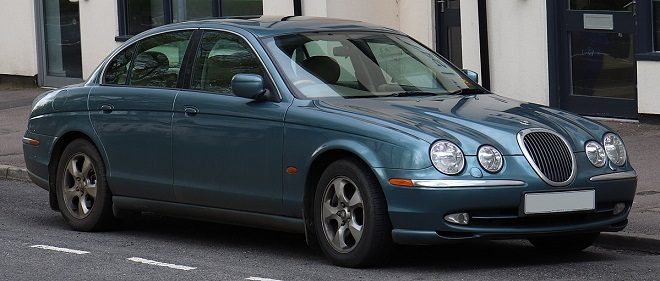
The Jaguar S-Type: Braking Confidence and Double Protection
The S-Type doesn’t just look the part. It backs it up with hardware that actually matters when you’re trying to stop in a hurry. The brake pads are wider than standard. This increases the contact area. You get better heat dissipation. The brake booster does its job harder, too. That means less effort for your foot. More confidence in your ankle.
But Jaguar didn’t stop at stopping power.
They built in double rollover protection. Two separate systems working in tandem. If one fails, the other holds the line. It’s not just about cornering stiffness. It’s about preventing that catastrophic roll-over scenario. Safety and comfort aren’t mutually exclusive here. The suspension tunes absorb the big bumps while keeping the chassis flat.
Why does this combination matter?
Because heavy luxury sedans often feel like boats. The S-Type fights that tendency. The extended pads grip harder. The booster multiplies your input. The rollover guards keep it planted. You drive it like a sportier car than its size suggests.
The engineering is straightforward. No magic. Just more metal in the right places. Wider pads mean more friction. A stronger booster means more clamping force without muscle. Double rollover protection adds a layer of insurance against physics.
It’s a sensible setup. But sensible doesn’t mean boring. When you hit the brake, you feel the difference. The pedal feels firmer. The stop is progressive. The car stays level.
That’s the appeal. Not flash. Function.
Still wondering about the ride quality? The engineers tuned it for compliance. But you don’t lose the feedback. You still know what’s happening under the tires. The wider pads reduce fade during hard use. The booster ensures the ABS can modulate pressure effectively. Double rollover protection kicks in only when needed.
It’s a balanced package.
Does it handle like an XJ? No. But it handles better than you’d expect from a car this size. The brakes bite. The body rolls less. The safety net is there.
What about long-term durability?
Wider pads wear evenly. The booster mechanism is robust. The rollover sensors are calibrated to ignore normal cornering. They only trigger in extreme situations.
The S-Type proves that safety features don’t have to compromise driving dynamics. They can enhance them.
You get the confidence of knowing the car will stop. And the confidence that it won’t flip if you miss a turn.
That’s rare in this class.
The S-Type delivers both. Without asking for a track license. Or a pilot’s license.
Just a driver’s license. And maybe a steady hand.

Mazda MX-6: The Forgotten Performance Coupe
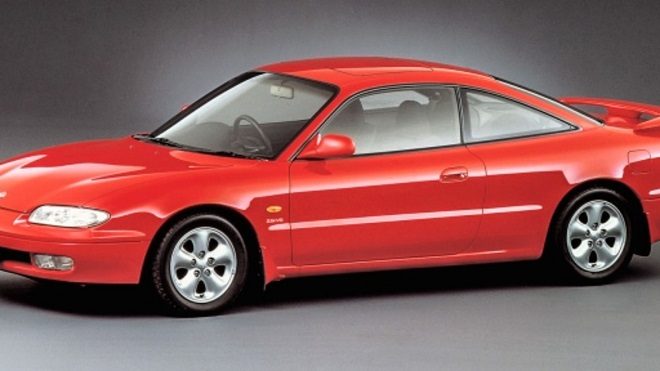
The 18-inch wheels aren’t just for show. They sit atop an automatic variable suspension control system, a setup that actively adapts to the road surface. It’s a sophisticated touch for a car of this era.
The braking hardware matches the wheel size. Large-diameter brake systems are fitted to ensure stopping power keeps pace with the chassis dynamics. You aren’t just getting style points. You’re getting a package that balances grip with deceleration.
Why it still matters
This isn’t a daily driver for most people today. But for enthusiasts chasing analog driving feel, it holds weight.
- Suspension Tech: The variable control system was advanced for its time, offering a ride that shifts between compliant and taut.
- Braking Power: Large rotors provide consistent pedal feel without fade during spirited drives.
- Ride Quality: It remains a viable option among reliable grand tourers. Comfort isn’t sacrificed for handling.
If you’re looking for a used coupe that doesn’t require a complete suspension overhaul, the MX-6 offers that rare combination. It’s safe. It’s comfortable. And it still corners with intent.

Active Safety Meets Retro Style
The safety suite isn’t just about beeping at you. It uses the lane-departure warning as a leash. Stray out of your lines? The system flags it immediately. It also stops you from drifting into the lane next to you entirely. There is no room for error here.
Speed matters. The forward-collision alert kicks in between 15 and 145 km/h. Close in too fast on the car ahead? You get a sharp warning. It is a digital co-pilot that keeps you from making stupid mistakes on the highway.
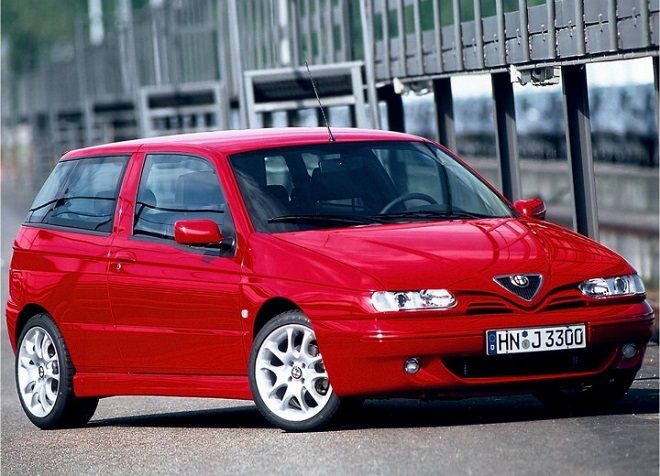
4. Alfa Romeo 145
This isn’t just a retro-styled hatchback. The 145 was Alfa’s answer to the premium compact segment. It brought Italian flair to a class dominated by Germans. The styling is sharp. The handling is sharp. The safety tech is surprisingly modern for its class.
Inside, you get a cockpit that feels driver-focused. Not cluttered. Not distracted. Just controls and glass. The dashboard layout is clean. The gauges are analog. Classic.
Under the hood, choices were plentiful. Twin-spark engines offered punch. Diesel options gave torque. The V6 models? Pure noise. Pure feeling.
The chassis balances well. Not numb. Not twitchy. Just right for back roads. The steering feedback is honest. You feel the road through the wheel.
Safety wasn’t an afterthought. The 145 included airbags. Seatbelt pre-tensioners. ABS. Later models added those active safety systems mentioned earlier. Lane departure. Collision warning. It evolved.
Prices vary. Used market is hot. Collectors love the Veloce. Daily drivers love the reliability of the 1.6 Twin Spark. It is a versatile choice.
Don’t sleep on the manual transmission. The shifter is short. Precise. Engaging. Automatics exist. They just don’t give you the same connection.
The 145 proved Alfa could build a practical car. Without losing its soul. It is that rare mix. Fun first. Practical second.

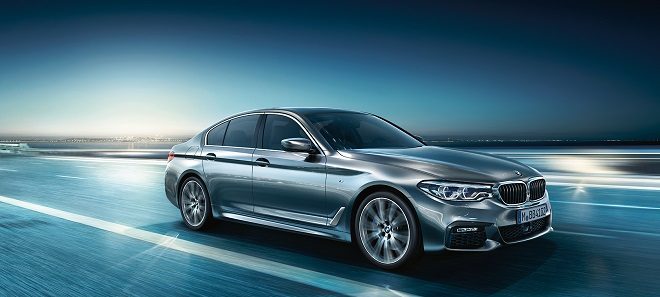
Yol tutkunları için kriterler bazen kafa karıştırıcı olabilir. Konfor mu? Yoksa güvenlik mi? Genelde biri için diğerinden vazgeçmek zorunda kalır gibi görünür. Ama BMW 5 Serisi bu kurala uymuyor. Toplu taşıma araçlarında bile sıkılan sırtlar için tasarlanmış oturma pozisyonları varken, yan çarpma testlerinde de NCAP (New Car Assessment Program) puanı almayı başarıyor.
Neredeyse her segmentte rakiplerinden bir adım önde. Özellikle iç mekan genişliği ve ses yalıtımı söz konusu olduğunda rakiplerini geride bırakıyor. Bu da onu sadece bir otomobil değil, bir yaşam alanı haline getiriyor.
Güvenlikte Zirve: NCAP 5 Yıldız
Güvenlik standartları her zaman değişiyor. BMW, 5 Serisi’ni sadece “iyi” değil, “zorlu” testlerde en yüksek başarıyı gösteren modellerden biri olarak konumlandırdı.
“Konfor ve güvenliğin bir arada bulunduğu araçlardan bir tanesi olarak NCAP güvenlik sisteminden 5 yıldız alarak geçen bu model sınıfının zirvesinde yer almaktadır.”
Bu 5 yıldız sadece bir simge değil. Yapısal bütünlük, havlu yastıklarının dağılımı ve aktif güvenlik sistemlerinin entegrasyonu anlamına geliyor. Sınıfının en üstünde durmasının sebebi de bu bütüncül yaklaşım.
Konfor Sınıfının Ötesinde
İçeri adım attığınızda hissettiğiniz fark sadece deri koltuklardan gelmiyor. Diğer segmentlere kıyasla konfor seviyesi gerçekten yüksektir. Süspansiyon ayarları yoldaki her çukuru algılayıp yumuşatırken, kabindeki gürültü seviyesi neredeyse yok denecek kadar az.
Bu dengeyi kurmak kolay değil. Sert bir şasi konforu etkileyebilirken, yumuşak bir süspansiyon sürüş dinamiklerini zayıflatır. BMW burada ince bir çizgide yürüyor. Sonuç? Yorgunluk hissi minimumda, yol tutuşu maksimumda.
Neden 5 Serisi?
Sorulan sorulardan biri hep aynı: Hangi model? 5 Serisi, iş hayatında kullanıcılardan aile kullanıcılarına kadar geniş bir kitleyi kapsıyor.
- Sınıf Liderliği: Hem teknoloji hem de mühendislik açısından rakiplerinin önünde.
- Test Performansı: NCAP kriterlerinde üst sıralarda yer alması güven tazeletiyor.
- İç Hacim: Arkadaki yolcular için bile yeterince geniş ve rahat.
Araba seçerken sadece dış görünüşe bakmak bir hatadır. İçeride geçirilen saatler daha uzun sürüyor. 5 Serisi, bu süreyi keyifli hale getirmeyi başaran nadir otomobillerden biri.
Rakipl

6. Seat Alhambra
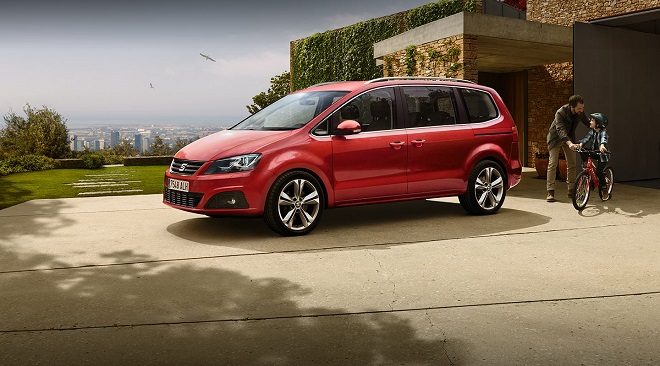
Shifting gears feels effortless here. The transmission is quick, responsive, and forgiving. Fuel consumption stays low, which matters when you’re carrying a full load of passengers. It is not about raw speed. It is about efficiency wrapped in comfort.
Inside, the cabin is a sanctuary. Noise is kept at bay. Vibration does not rattle your bones. You drive this MPV and feel relaxed. The seats are supportive. The ride smooths out potholes and bumps without complaining.
The Alhambra does not try to be a sports car. It tries to be the perfect family hauler.
Under the hood, efficiency is key. The engine management system optimizes fuel injection for minimal waste. You get more miles per liter without sacrificing power when you need it. The ceramic brake system mentioned earlier is not standard across all trims, but where present, it offers superior heat dissipation. That means less brake fade during long descents. For a vehicle this size, stopping power is critical.
Which model of the Alhambra has the best fuel economy? The newer TDI variants lead the pack. They offer torque that feels abundant in city traffic. Yet, they sip diesel on the highway.
The interior space is versatile. Seats fold, slide, and recline. You can configure the cabin for five people with massive legroom or seven in a pinch. The headroom is generous. Tall adults do not feel cramped.
Comfort is not an afterthought. It is the main feature. Climate control zones keep everyone happy. The suspension absorbs road imperfections. You arrive at your destination fresh, not exhausted.
This is not a car for the thrill-seeker. It is for the parent who needs to get five kids and a dog to soccer practice without losing their mind. It balances practicality with a premium feel. The driving dynamics are tuned for stability. At high speeds, the Alhambra holds its line. It does not float. It stays planted.
If you value low running costs and high comfort, this vehicle hits the mark. It is a solid choice for those who prioritize the journey as much as the destination.

7. Toyota Corolla
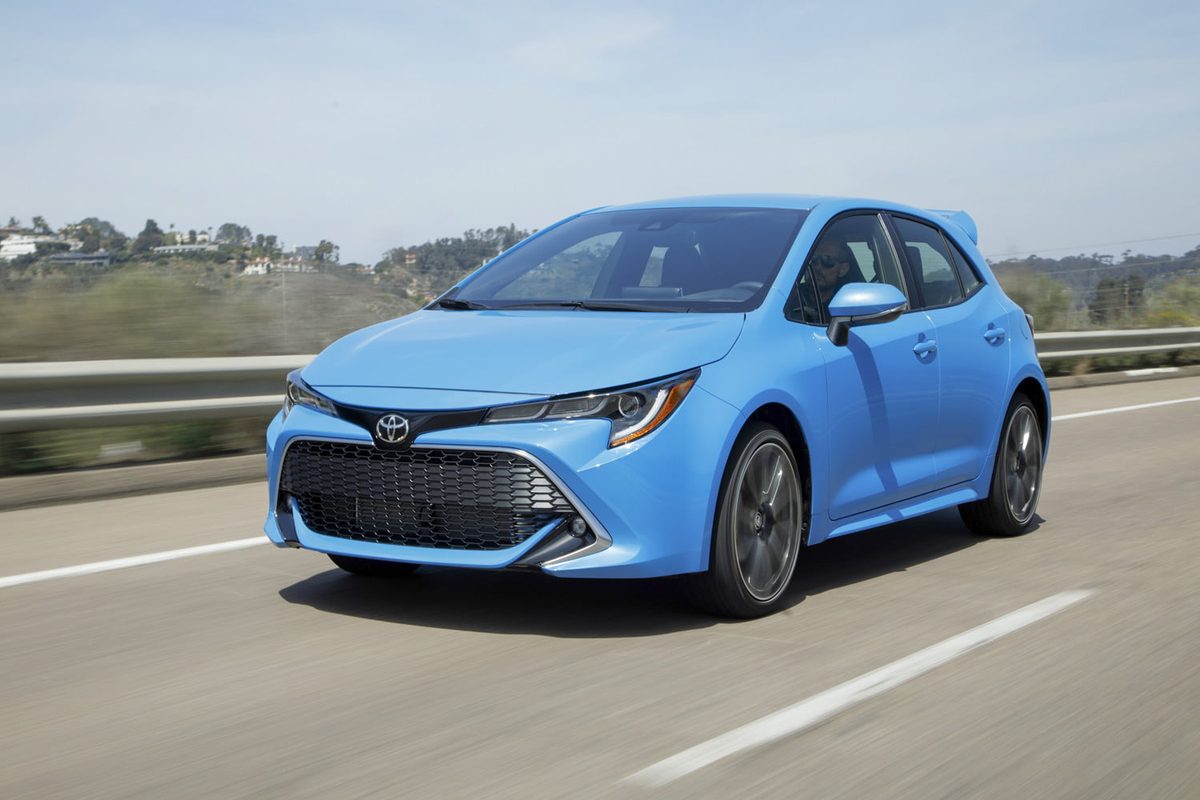
Inside the cabin, safety is a priority. You get nine airbags total, including one for the driver’s knees. That’s a lot of protection for a daily driver. The rear doors also come with child locks. It’s a simple feature, but it adds a layer of trust. You aren’t just buying a car. You’re buying peace of mind. Comfort isn’t an afterthought here either. The seats are supportive. The ride is smooth. It doesn’t throw you around on bad roads.
This isn’t just about specs on a page. It’s about the experience. You settle in. The noise stays out. The car feels solid. It’s reliable in the way you expect Toyota to be. No surprises. Just a consistent drive that gets you where you need to go.

8. Mercedes-Benz S-Class
The Corolla plays it safe. It’s reliable because it’s boring. The brakes work. The airbags deploy. The child locks click into place. It’s a safe bet.
Then there is the S-Class.
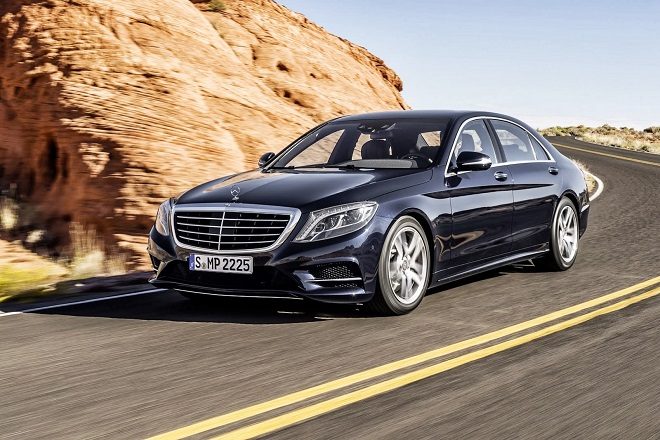
This isn’t just a car. It’s a moving palace. Mercedes doesn’t build sedans here. They build statements. The S-Class is the benchmark. Everything else is just copying homework.
Technology that feels like magic
You open the door and the car knows you’re there. The seat moves. The steering wheel adjusts. The ambient lighting sets the mood. It’s not just convenient. It’s intimate.
Inside, the tech is overwhelming. Not in a bad way. In a “why did I ever drive anything else” way. The MBUX system reads your commands before you finish speaking. The augmented reality navigation overlays arrows on the windshield. You don’t look at a screen. You look at the road.
Ride quality that defies physics
The air suspension doesn’t just soften bumps. It deletes them. The E-Active Body Control system scans the road ahead. It pre-adjusts the dampers before the tires hit a pothole. You won’t feel it. Your coffee won’t spill.
Is there a better ride? Try finding one. The isolation from the outside world is nearly absolute. Road noise? Gone. Wind noise? Muffled. The S-Class creates a vacuum of silence.
Safety that’s proactive, not reactive
The Corolla has EBD and ABS. Good. Standard.
The S-Class has everything and then some. It has a rear-axle steering system. Yes. The back wheels turn. At low speeds, it shrinks the car’s turning radius. It makes a massive sedan feel like a compact. At high speeds, it stabilizes the vehicle during lane changes. It feels planted. Unshakable.
Active Brake Assist can detect pedestrians. Cyclists. Oncoming traffic in blind spots. It can brake for you. Not just warn you. Actually stop the car. The PRE-SAFE system tightens seatbelts and closes windows before an impact. It prepares the cabin for violence.
Why it costs so much
Because it does more than drive. It entertains. It heals. It protects.
The rear seats recline. They massage. They have heat. The Burmester sound system doesn’t just play music. It sculpts it. You can turn off the left speakers to create a “concert hall” mode. It’s absurd. It’s unnecessary. It’s perfect.
The Verdict
The Corolla gets you from A to B. It won’t kill you.
The S-Class gets you from A to B feeling like a king. It might also save your life.
Which do you need? Probably the Corolla.
Which do you want? The S-Class.
There’s a reason it sets the trend. Other manufacturers watch it like hawks. When Mercedes adds a feature, everyone else follows. Five years later. Cheaper. Worse.
The S-Class isn’t just a car. It’s a roadmap.

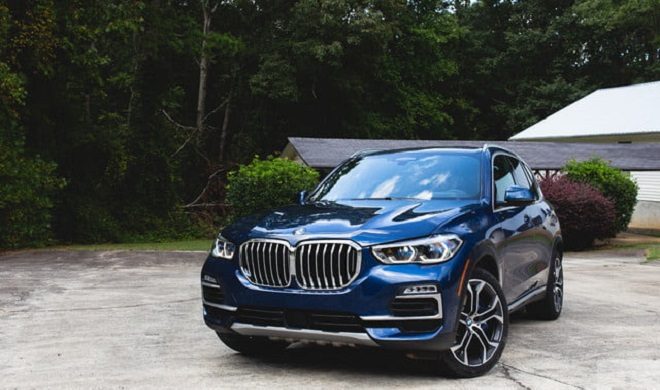
The X5’s Wet-Weather Advantage
While Mercedes focuses on comfort and stability in the S-Class, the BMW X5 takes a different approach to bad weather. It’s not just about sitting dry. It’s about moving confidently when the roads turn slick.
The X5 doesn’t wait for you to panic. It anticipates.
Its all-wheel-drive system kicks in before you even lose traction. This isn’t magic. It’s engineering. Specifically, it’s about torque distribution. The system shifts power to the wheels with grip. Instantly.
Think about driving through a parking lot in January. Ice patches hide under slush. Most SUVs slide. The X5 feels planted.
Why It Matters for Daily Driving
You don’t need a track license to appreciate this. You just need to commute.
The X5’s setup handles sudden acceleration on wet asphalt. It doesn’t spin out. It pulls forward. Predictably.
This is where the “wet start” feature comes into play.
The X5 prioritizes traction over slip. Even at low speeds.
It’s subtle. You won’t feel a jerky hand-off from the engine to the drivetrain. You’ll just notice you’re moving when you expected to stall or slide.
Real-World Performance
Let’s talk numbers, loosely.
BMW claims improved launch performance in wet conditions. How much? Enough to make highway merging less stressful. Especially when rain hits at 60 mph.
The electronic stability control works in tandem with the all-wheel drive. It monitors wheel speed. If one wheel spins faster than the others, it applies brake pressure. Simultaneously. Redistributing torque.
This isn’t a feature you toggle. It’s always on. Always watching.
For buyers comparing luxury SUVs, this is a key differentiator. The X5 feels more proactive. The competitors often react. BMW predicts.
The Driver’s Feel
Some purists dislike electronic aids. They prefer raw mechanical feedback.
But in the X5, the aid feels invisible. You’re not fighting the car. You’re riding it.
When you press the gas, the X5 responds. Not with a lurch. With a surge. Controlled. Direct.
This matters when visibility drops. When your tires lose contact with the road surface. The X5 bridges that gap. It keeps you connected.
It’s not just about safety. It’s about confidence.
And in a vehicle this size, confidence is everything.

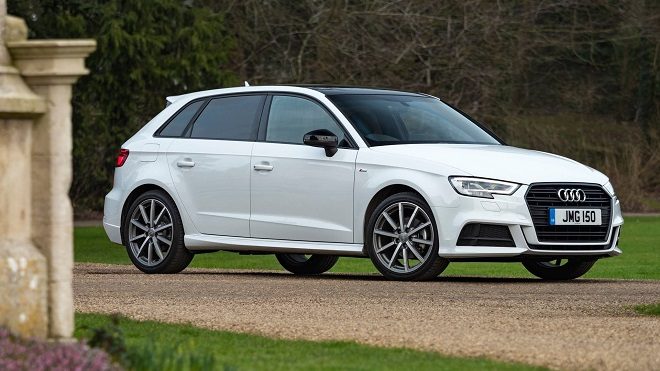
The Audi A3 doesn’t just sit in the lineup. It holds its ground with a head-up display that projects critical driving data directly into your line of sight. This isn’t just bragging rights. It’s a safety net. The system keeps you informed without forcing your eyes off the road. And it warns you when things go sideways.
Comfort isn’t an afterthought here. The seats are sculpted for long hauls. They hold you in place. The suspension filters out the worst of the asphalt. It’s about preserving your sanity on the commute.
Driving feel takes precedence. The steering feedback is sharp. The throttle response is linear. You feel connected to the road. Not detached.
This is a car that thinks it’s a sports car. But it’s practical too. The trunk space is usable. The tech stack is integrated. Not bolted on.
Why the Head-Up Display Matters
Most cars put info on a screen. The A3 puts it on the windshield. You glance up. Speed. Navigation. Warnings. All there. No twisting your neck. No losing focus.
It’s subtle. You barely notice it until you need it. Then it’s there. Instantly.
The Comfort Factor
Leather upholstery. Optional. Real leather. Or synthetic. Both feel good. The climate control is zoned. Front and rear. Everyone stays happy.
The seats adjust electrically. Memory settings. So you don’t have to reconfigure every time you get in. It’s small things. They add up.
Driving Dynamics
The A3 handles like a go-kart. Light. Nimble. The chassis is stiff. Not harsh. Just responsive.
Cornering is precise. The turn-in is quick. You don’t fight the wheel. You guide it.
Verdict
It’s not just a hatchback. It’s a statement. Audi’s entry point. But it doesn’t feel cheap. It feels engineered.
The head-up display is the cherry on top. Not essential. But nice.
The seats are plush. Not plush-plush. Supportive.
It’s a car for people who drive. Not just commute.
The A3 proves you don’t need to compromise. You can have tech. Comfort. And fun.
In that order.
Sürüş deneyiminin bittiği an, yani araç durma noktasına geldiğinde otomatik olarak motoru kapatması artık standart bir özellik değil, akıllı bir tercih. Bu modeldeki start-stop düğmesiyle tek tıkla kontrol edilebilen bu sistem, sadece yakıt tasarrufu için değil, güvenilir sürüşün temel taşlarından biri olarak tasarlanmış. Şehir trafiğinde sıkışıp kaldığın anlarda, her kırmızı ışıkta motorun sessizce kapanıp, yola çıkmak istediğinde anında uyanması seni yormaz. Aksine, daha hafif hissettirir.
Konfor denince akla gelen lüks deriler veya dev ekranlar değil, bu bağlamda sessizlik ve müdahalesizlik öne çıkıyor. Sistem o kadar sorunsuz çalışıyor ki, çoğu zaman fark etmeyebilirsin. Ama bir sorun olduğunda, tek bir tuşla devre dışı bırakabiliyorsun. Bu kontrol sahibi olmanın huzurunu veriyor.
Neden Bu Sistem Önemli?
Yakıt tasarrufu kadar, motor ömrü ve emisyon kontrolü de büyük rol oynuyor. Dururken çalışan bir motor gereksiz yere ısınır ve aşınmaya neden olur. Bu teknoloji, kilitli bir trafihte bile motorun soğuk havada bile sürekli çalışmamasını sağlıyor. Özellikle yoğun şehir içi trafiğinde, bu küçük detaylar büyük fark yaratır.
Sürüş Dinamiklerine Etkisi
Bazı sürücüler start-stop sistemlerinin konforu böldüğünü düşünür. Gerçekten de ilk başta tuhaf gelebilir. Ama alıştığında, her durakta motorun sessizce kapanması, senin de bir anlığına nefes alman gibi gelir. Özellikle park etme veya yavaş hareket etme durumlarında, bu sistem araçla olan bağınızı güçlendirir.
Güvenilirlik ve Güven
Bu kadar akıllı bir sistem, ne kadar güvenilir? Testler, bu teknolojinin modern araçlarda ne kadar sorunsuz çalıştığını gösteriyor. Şarj sistemi ve starter motor, bu döngüye dayanacak şekilde tasarlanıyor. Yani, her stop-start döngüsü, aracının ömrünü kısaltmıyor. Tam tersine, daha az aşınma demek.
Hangi Durumlarda Devre Dışı Bırakılmalı?
Her zaman açık kalmak en iyisi olmayabilir. Derin karda, çok uzun ve dik bir yokuşta veya ağır bir çekme işlemi sırasında, sistemin devre dışı bırakılması mantıklı. Start-stop düğmesine basmak, bu kararları sana bırakır. Bu esneklik, sürüş güvenliğini artıran en önemli faktörlerden biri.
Son Söz
Aracın durduğu anda motorun kapanması, bir teknoloji göstergesinden öte, bir yaşam tarzı tercihi. Tek bir tuşla kontrol edilebilir olması, senin hakimiyetinde olduğunu hatırlatıyor. Konfor ise bu kontrolün yanında, sessiz


