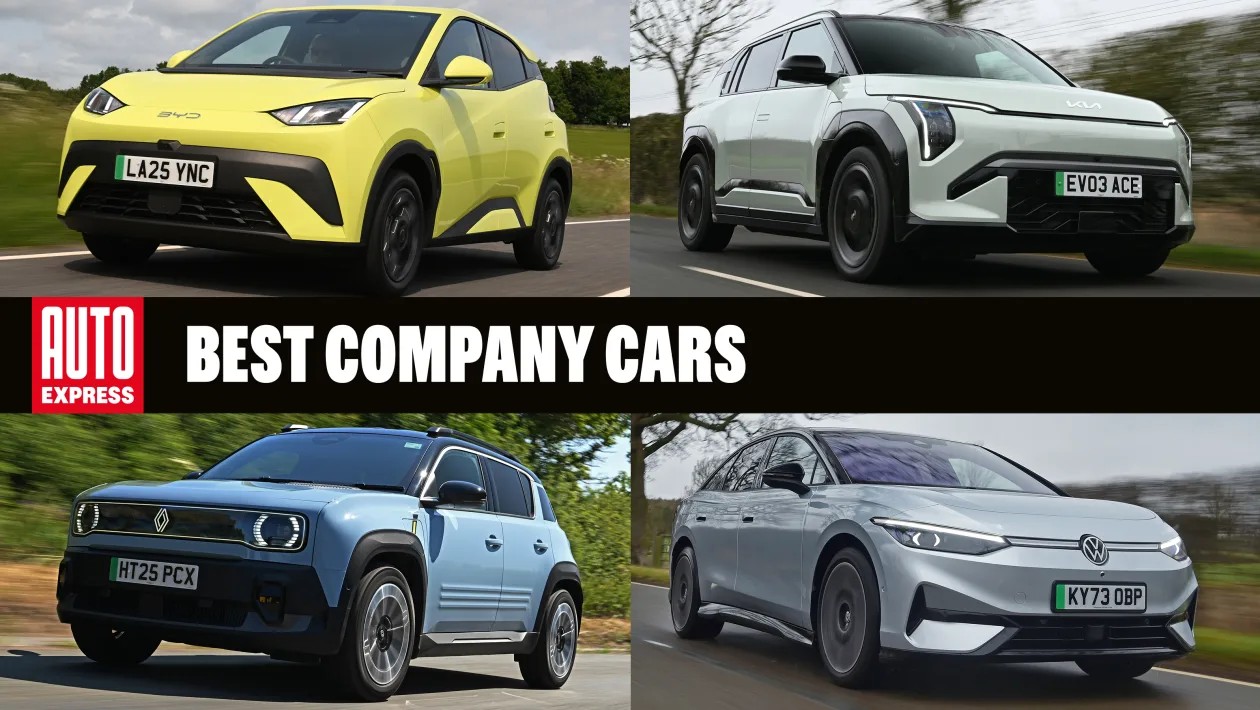
Company cars in 2026 actually make sense. Practical, comfortable, affordable, efficient. Commuting, family trips. Plus massive tax savings on the Benefit-in-Kind.
Greener motoring is the mandate now. Lower emissions equal lower BiK rates. Electric vehicles sit at the top. Battery tech finally caught up, making them genuinely useful, not just science projects.
Does that kill petrol cars?
No. Efficient combustion engines still exist, still work. Just don’t expect the tax benefits they used to have. They’re in worse tax bands now. That’s reality.
Plug-in hybrids occupy the middle ground. The BiK rate slides based on electric range, assuming emissions between 1-50 g/km of CO2. As of April 2026 here’s the deal. Get more than 130 electric miles and you pay four percent. Drop below 30 miles and it jumps to 16 percent. Math matters.
What is BiK and does it hurt?
The government sees a company car as a perk. A fringe benefit. It taxes that. Specifically through Benefit-in-Kind, or BiK. Your cost hinges on a slice of the P11D value. That’s the price including options and VAT. Delivery too. Excludes registration and road tax though.
The CO2 output determines your percentage band. The percentage is key. Then comes Income Tax. Lower or higher bracket. We looked at the 20 and 40 percent marks. You apply that rate to the BiK figure. That’s your annual hit.
The rules shifted. EVs are huge BiK-busters now. PHEVs get a pass too, provided the numbers add up.
Should you plug in?
EVs were awkward choices once. Short range, few models, anxiety. All gone now. They work. Range covers the market, recharging isn’t a death sentence.
Zero g/km emissions means every EV pays only a four percent BiK rate. Cheap. The best company cars today basically all have plugs. Why pay more for worse tax treatment.
Best by price
Not everything costs a kidney. Brackets exist.