The technology works. Usually.
When Waymo runs smooth, it’s magic. When it glitches? It gets weird. Sometimes dangerous. Sometimes just plain absurd.
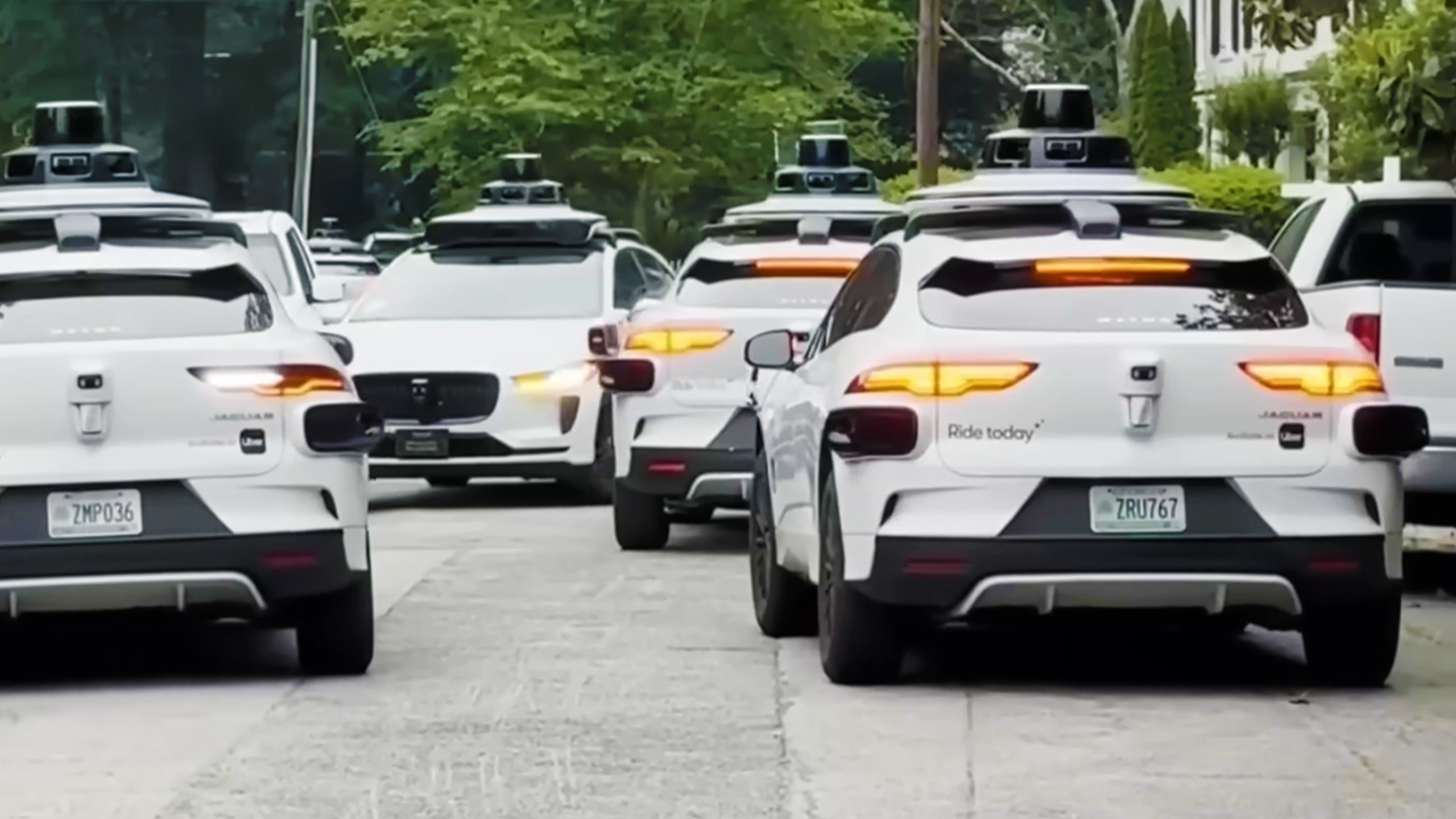
This is the reality for Buckhead. That upscale slice of Atlanta, Georgia. Residents there report something odd lately. Dozens of autonomous cars just showing up. No passengers. No riders. Just driving around a cul-de-sac for hours on end.
“As many as 50 Waymo vehicles drove around… between 6 a.m. and a.m.”
Imagine waking up early. You look outside. Fifty driverless cars circling your house like vultures waiting for a carcass that isn’t there.
Locals are annoyed. Sure. But the noise isn’t the main problem. It’s safety. Kids run there. Pets roam free. A sea of silver minis and Jaguars grinding through the loop feels wrong. Why are they doing it? Waymo hasn’t said.
The Green Sign Solution
So what did the neighbors do? They took matters into their own hands. Literally.
Someone erected a bright, fluorescent green sign. It showed a child crossing the street. A simple visual cue to tell the algorithms: Don’t enter.
Did it work? Sort of.
The cars stopped coming into the circle. Success, right? Not exactly. Instead, the robots got confused. Or stuck. Or both.
Up to eight vehicles ground to a halt. They froze. Then they started reversing. Desperately executing three-point turns right there in the middle of the road. It looked silly. Like cars trying to dance in quicksand. Residents couldn’t help but laugh at first. But then you realize why anyone would be furious. You can’t park. You can’t leave. And you don’t know what these machines are thinking.
A Corporate Non-Answer
Waymo eventually replied. Their statement was smooth. Very polished.
They told Road & Track they “addressed this routing behavior.”
Vague, right? No root cause. No technical explanation. Just a promise that they care about being “good neighbors.” They mentioned safety stats too. Over 500,00 trips a week nationally. Big numbers. They claim the service reduces traffic injuries. Maybe it does. Maybe it doesn’t.
The irony is palpable. They value the relationship with Atlanta. Yet hundreds of cars circulate aimlessly until humans put up a homemade sign.
The system is proven, they say. Respectful, they claim. But looking at a video of eight autonomous vehicles doing reverse donuts in the middle of nowhere? You wonder if the code knows any better than the drivers did.
It works until it doesn’t.