The Loud Years
Remember the 2000?
Big bikes. Bigger ego. Everyone wanted more cc’s, faster speed, and engines that looked like they were screaming just to stay alive. Harley dropped the V-Rod. Kawasaki unleashed the Vulcan 2000 and the ZX-12R — that thing was so fast it broke an unspoken speed limit. Yamaha kept the VMAX going. Triumph gave us the Rocket III, a monster on two wheels.
It was excess. Unapologetic. Then the decade ended. The BMW S1000RR showed up. Quiet, surgical, precise. It changed the game.
The Shift
The 2010 weren’t weak. No mistake about it. We got the Ducati Panigale V4. The KTM 1290Super Duke R. The Kawasaki Ninja H2, still the only supercharged street bike that matters.
But the mood shifted.
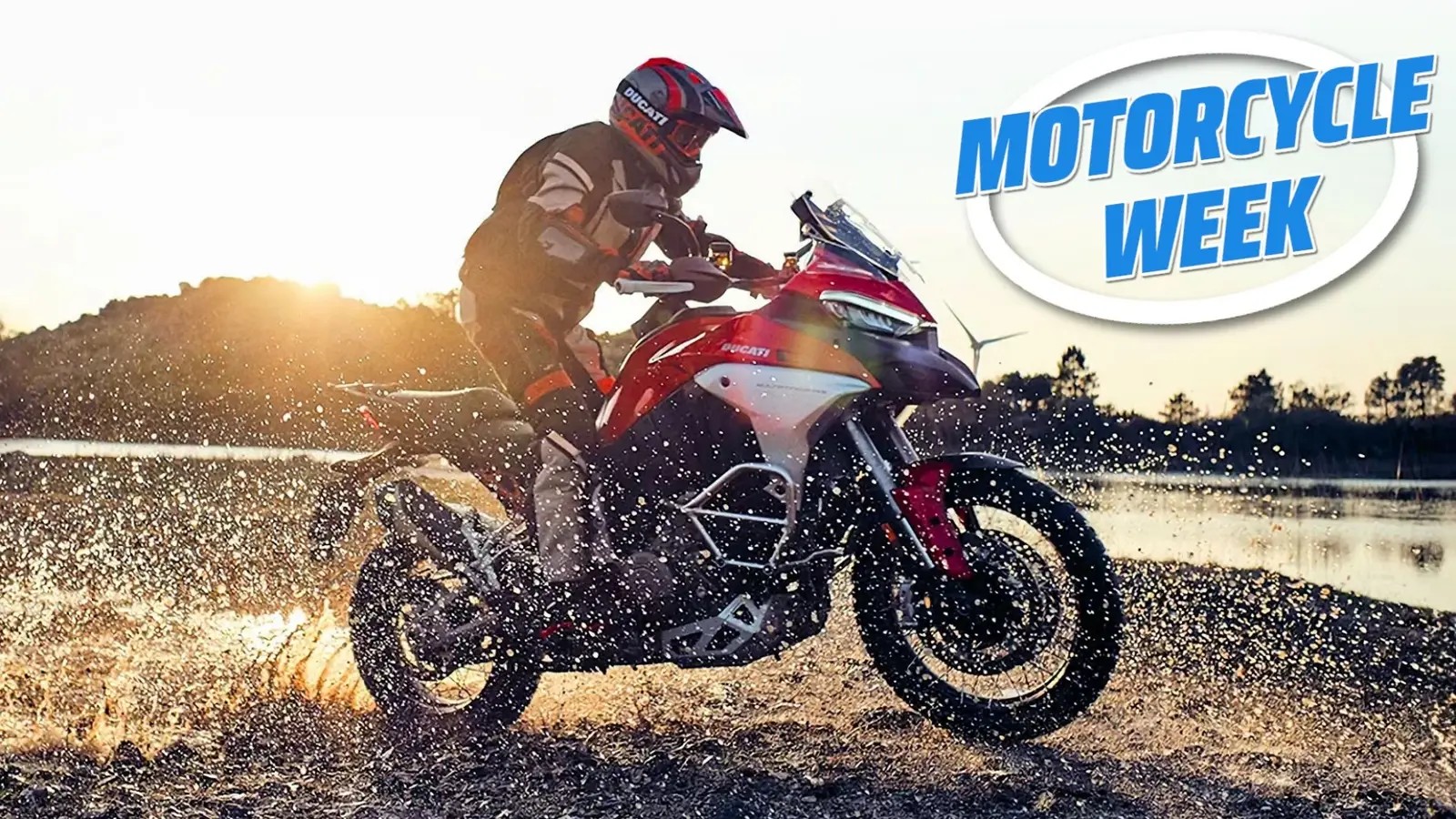
Suddenly, everyone wanted to go places. Ducati Multistrada. Honda Africa Twin. BMW GS. Liquid cooled, comfortable, capable. People realized they spent 90 percent of their day in traffic, not on the autobahn.
The Pinch
2020 hit. The world tightened. Emission rules got harder. Fuel economy mandates got stricter. You couldn’t just squeeze more power out of a giant engine anymore. The physics stopped working for you. The costs went up. Who wanted to pay thousands for an extra ten horsepower they’d never use in a city?
Manufacturers had a problem.
Riders wanted speed. Regulators wanted silence and cleanliness. The compromise was necessary. Or so we thought.
Turns out, there’s another way.
Less Is Faster
Look at the shelves. A 650 today handles like a 250 did twenty years ago. Smaller frames. Lighter weight. Less metal to move around.
When you cut the mass, everything gets better. Braking. Cornering. Even parking in tight spaces.
Titanium. Carbon fiber. Aluminum. Expensive? Yes. Worth it? Absolutely. Less weight means less friction. Less friction means better fuel economy. Cheaper tires. Longer life.
It’s not exciting on paper. It works on the street.
Power to weight is king. Always has been. Always will be.
Tires and Brakes
Engines don’t exist in a vacuum. You can have the best motor in the world. Doesn’t matter if you can’t turn. Doesn’t matter if you can’s top.
Tires are different now. Grip where you need it. Roll resistance where you don’t.
Brakes? Brembo upgrades. Radial calipers. Sintered pads. Wave rotors. These weren’t toys for track day enthusiasts five years ago. Now? Standard issue on mid-range bikes. You stop quicker. You stay upright longer. That feels like speed.
Inside the Metal
The piston hasn’t changed. Really. Still up. Still down. But it’s smarter now.
Shorter stroke. Wider bore. Less momentum. Less wear. Four valves per cylinder everywhere. Variable valve timing isn’t a luxury feature. It’s standard on the Yamaha R125.
Harley does it on the Revolution Max. Honda’s Africa Twin uses a counter-balance shaft that drives the water pump. Kills vibration. Recycles energy. Efficient? Brutally so.
Kawasaki sticks to the H2. Honda is catching up. But most everyone else? They’re optimizing the internal combustion engine to the point of exhaustion. And then some.
Friction Sucks
Reduce friction. Gain performance. It’s that simple.
Cars switched to silica tires. Bikes? They stripped every bearing. Every chain. Every fork tube.
Diamond-like carbon coatings. Brass chains. Tolerances so tight they laugh at the old ways. Oil chemistry matters more than ever. Ducati says a special oil gives you 2.5 more horses on the Multistrada V25RS.
Two point five horses.
You feel it. The bike wakes up. It’s not about the engine. It’s about wasting nothing.
The Brain
Electronics changed everything.
Six-axis IMUs are everywhere now. Harder to find a bike without one than with one. Why? Control.
By-wire throttles. Cornering ABS. Engine brake control. Wheelie mitigation. Safety nets that let you ride at the edge without falling off.
Sure, wires add weight. Batteries add bulk. It’s a tradeoff. Is it worth it?
Yes. Especially for electric bikes.
You can’t control an EV without a computer. You need massive processing power to manage the torque. To keep it predictable. To charge it fast. Without chips, the EV revolution doesn’t happen.
Not Just a Hammer
We used to think bigger was better.
Bigger engine. More speed. End of story.
The 2020 proved wrong. You can replace displacement. You just need to be clever. Lighter. Stickier. Smarter.
Is the loud thump of a twin-cylinder gone? Maybe not.
But the need for it? Fading fast.
What next?