Volvo is serious about going electric. The Swedish automaker isn’t just dipping a toe in the water; it is betting its entire future on a fully electric lineup by 2030. This isn’t just marketing fluff. It is a hard deadline backed by serious engineering investment. To get there, Volvo is leaning heavily on a strategic partnership with Northvolt, one of Sweden’s premier battery manufacturers.
The immediate goal is straightforward but aggressive. Volvo aims to increase the energy density of lithium-ion cells by 50%. Higher density means more power in a smaller space. It means less weight. It means cars that don’t need to be the size of a warehouse to hold a decent charge.
The Next Gen Architecture
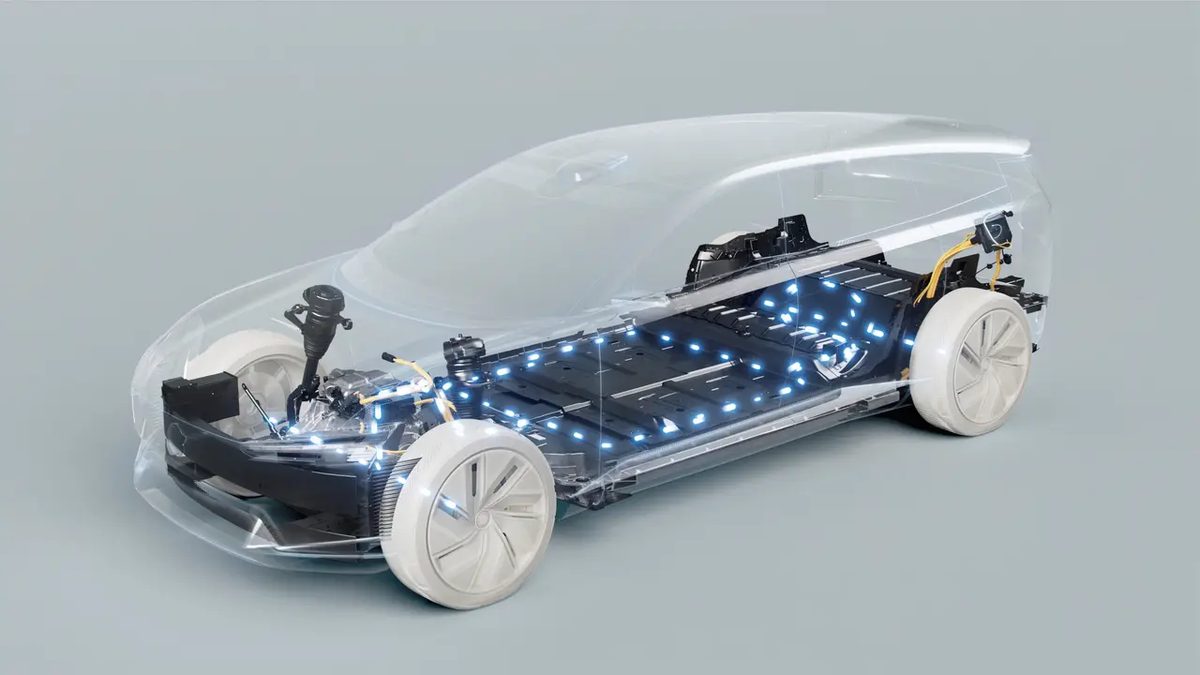
By 2025, Volvo plans to roll out its third generation of electric vehicles. These aren’t just incremental updates. They represent a fundamental shift in how the battery integrates with the car itself. The new architecture embeds the battery directly into the floorpan. This isn’t just a storage box bolted to the chassis. The battery becomes a structural element. It reinforces the frame.
This approach changes everything about vehicle dynamics. The center of gravity drops. The stiffness increases. The packaging efficiency improves. It is a holistic design choice that treats the powertrain as part of the skeleton rather than an add-on.
“Later this decade, Volvo Cars hopes to also cross the 1000 Wh/l energy density bar, in order to reach a real range of 1000 km,” the manufacturer stated in its press release.
Why 1000 Wh/l Matters
Most current EVs hover around 250 to 350 Wh/l. Hitting 1000 Wh/l is a massive leap. It isn’t just about squeezing more miles out of the same pack. It is about redefining what an electric car can be. A real-world range of 1000 kilometers kills the primary anxiety many buyers still feel. No more planning routes around chargers. No more waiting hours in the rain.
Volvo knows this is the endgame. The path there goes through denser cells and smarter structural integration. They are not waiting for a miracle material. They are engineering their way there, cell by cell, platform by platform. The 2030 target looms large. But the foundation is being laid right now.
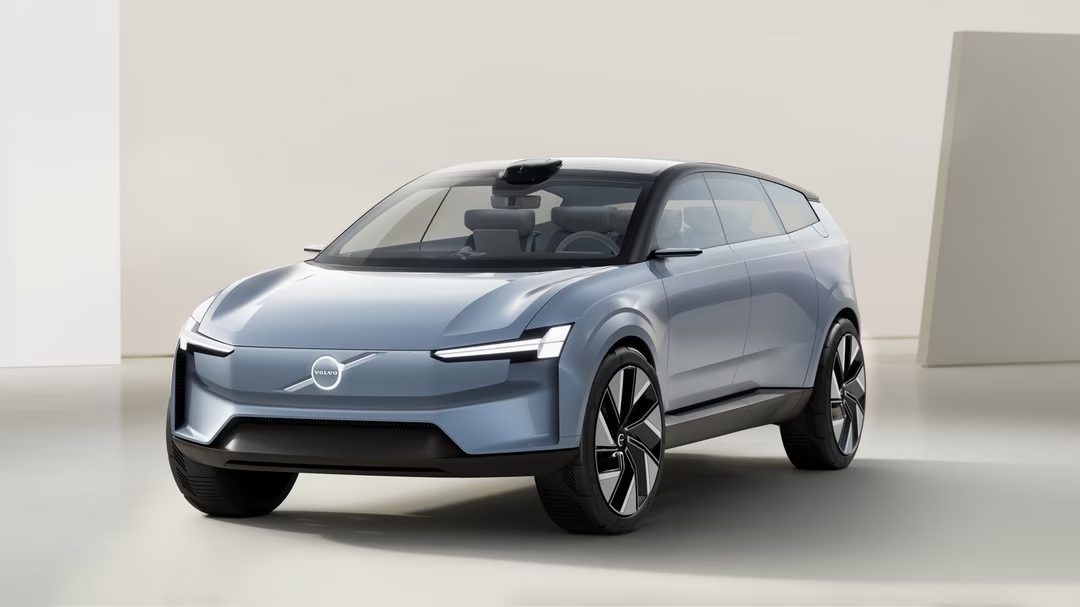
The XC90 Successor and Volvo’s 2025 Battery Strategy
The Volvo Concept Recharge isn’t just a design exercise. It is a declaration of intent for the next generation of their flagship SUV. This vehicle signals where the Swedish giant is heading with its electrification roadmap. We are looking at a successor to the XC90. But the real story lies in the engineering beneath the skin.
Charge times are getting slashed. Volvo has set a target to cut charging duration in half by 2025. That is a significant leap. It moves us away from the slow drip of early EVs toward genuine refueling speed. This isn’t a vague goal. It is a hard deadline.
Sourcing and Transparency
Raw materials are the new battleground. Volvo is overhauling how it sources critical minerals. They aren’t just buying blocks of lithium and cobalt. They are implementing blockchain technology to guarantee traceability. Every gram of material can be tracked. This ensures ethical extraction. It also provides a verifiable paper trail for consumers who care about supply chain ethics.
Production emissions are also under scrutiny. The company plans to use renewable energy for battery manufacturing. Closed loops will be established for recycling. The cycle doesn’t end when you trade in the car. The materials come back into the system.
Bidirectional Charging
Here is where it gets interesting. Future models will support bidirectional charging. This means your car becomes a power plant. You can inject excess electricity from your battery back into the grid. It turns your vehicle into a mobile energy storage unit.
The Volvo Concept Recharge showcases this capability. It is designed to interact with the grid when idle. Imagine plugging in overnight and selling power back during peak hours. Or using your car to power your home during an outage. The SUV becomes a utility node.
This technology bridges the gap between automotive engineering and energy management. It changes the role of the driver from passive user to active participant. The XC90 successor won’t just transport you. It will help stabilize the local power grid.
The shift is happening fast. The infrastructure is catching up. And the cars are starting to speak the same language as the power plants. What happens when your car pays you to sit in the driveway? The economics are starting to make sense.