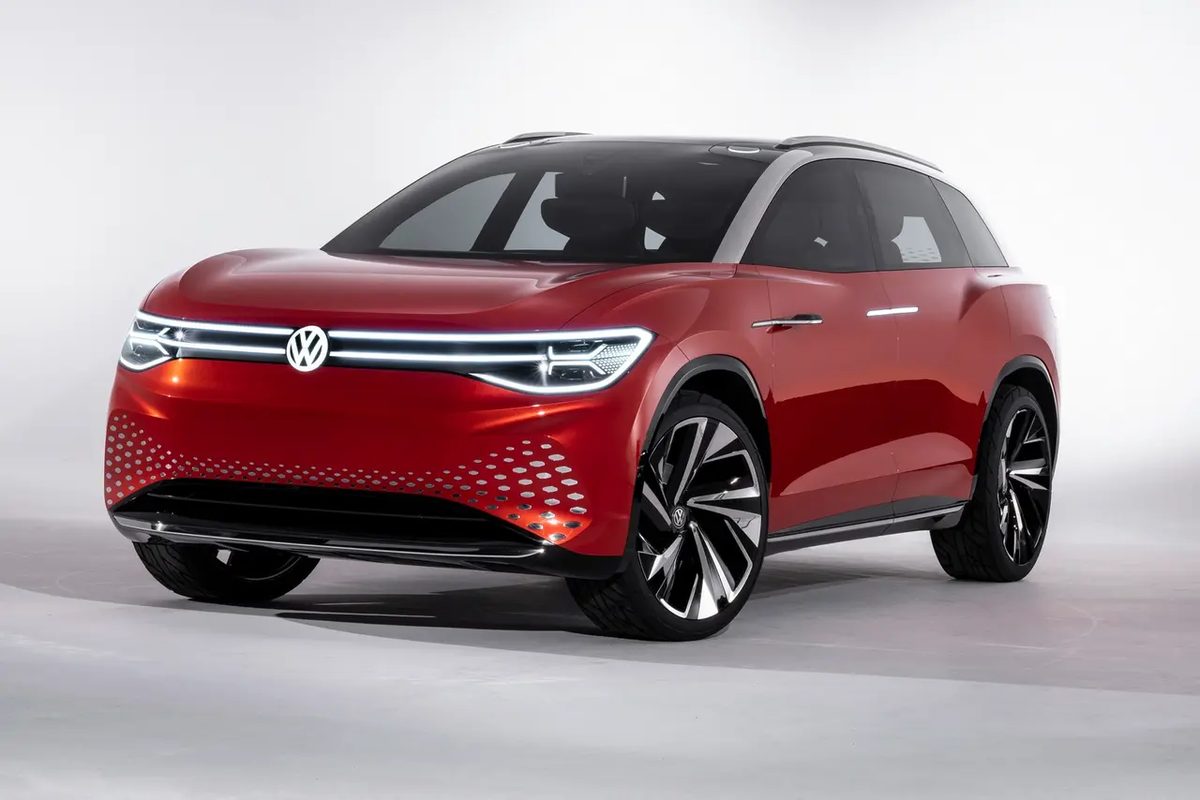
The next Volkswagen SUV is here. Well, at least the concept car that will likely spawn the production version. The German automaker seized the moment of the Shanghai Auto Show to unveil a new entry in the ID. family. This lineup already includes a compact city car, a rebooted ID. Buzz minibus, the fully autonomous ID. Vizzion sedan, and an electric take on the classic Meyers Manx dune buggy. But the ID. RoomZZ is the one demanding attention.
Space and Design Innovation
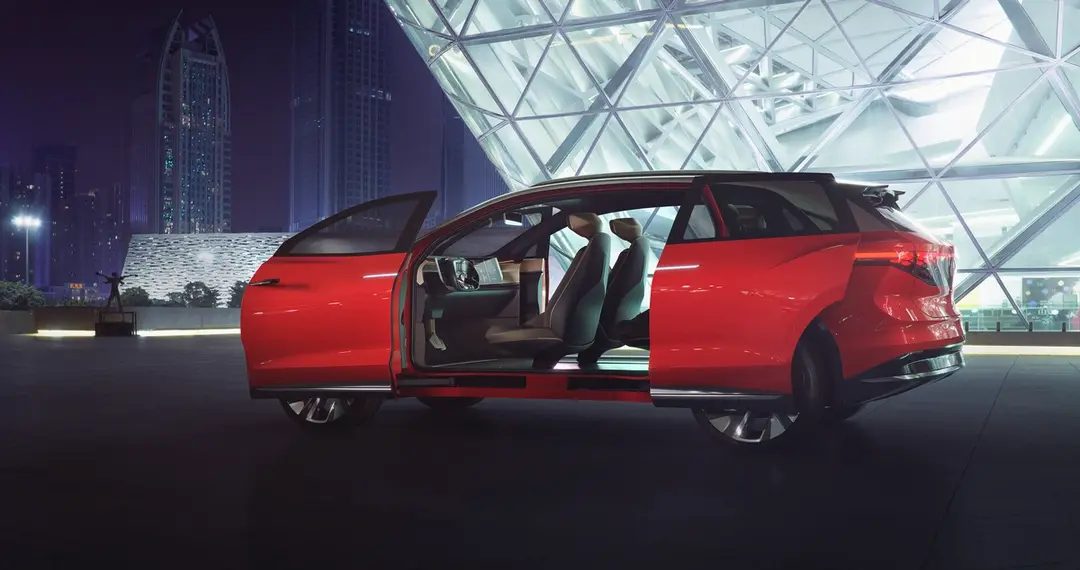
This electric SUV targets families. It is big. The concept measures five meters long. You can see the ID. design DNA immediately. A continuous light strip connects the front grille to the headlights. The rear follows the same logic. But the real showstopper is the door system.
No B-pillars. Sliding doors. Antagonistic movement.
When the doors open, the front door seems to float beside the body. It creates a sense of interior space that feels almost impossible. The effect is visually stunning. Don’t expect it to make it to production though. That specific door mechanism might not survive the engineering reality of a mass-market vehicle.
The ID. Ecosystem
Volkswagen isn’t just dropping a random car. This concept sits within a broader strategy. The Shanghai show has become a platform for them to showcase their electric ambition. The ID. Range is expanding fast.
The ID. RoomZZ offers a preview of how Volkswagen plans to dominate the family electric SUV segment.
The other concepts on display tell the rest of the story. The ID. Buzz brings back the cult status of the original transport van. The ID. Vizzion pushes the boundaries with Level 5 autonomy and voice control. The ID. Buggy pays homage to 1960s beach culture with a modern electric twist.
Production Uncertainty
While the concept looks ready for the streets, the doors tell a different story. The floating door effect is a design flourish. It emphasizes space. It looks futuristic. But manufacturing such a mechanism adds complexity. It adds cost.
Volkswagen has to balance aesthetics with practicality. The five-meter length suggests a large interior. The lack of a central pillar supports that claim. But if the doors don’t make the cut, the final car will look more conventional.
The Shanghai Auto Show sets the stage. The ID. RoomZZ proves the design direction is bold. It also proves that some ideas are meant for concept garages only. We will see what sticks when the actual car launches. For now, we just have to admire the vision. And wait.
Digital Cockpit and AppleSkin Interiors
Concept cars love their digital dashboards. The ID. RoomZZ is no exception. It trades traditional gauges for a head-up display projected onto a glass console. The steering wheel? It has a screen right in the center.
Volkswagen didn’t stop at electronics. They introduced a new seat material called AppleSkin. There’s almost no data on it. We only know it uses a “renewable raw material.” That’s it.
Powertrain and Performance Specs
Mechanically, the setup is straightforward. All-wheel drive. One electric motor per axle.
Total output sits at 225 kW. That’s about 302 horsepower. Zero to 60 mph takes 6.6 seconds. Top speed is capped at 180 km/h.
Those numbers aren’t impressive on paper. They don’t need to be. This isn’t built for track days. It’s built for comfort.
Battery Range and Charging Speed
Autonomy is the real metric here. Volkswagen claims the 82 kWh battery delivers 450 km on the WLTP cycle.
Charging speed is where the specs get interesting. A fast charge at 150 kW can restore 80% capacity in just 30 minutes. That’s useful data for long-distance planning.
Level 4 Autonomy and Lounge Mode
This is where the concept gets weird. The SUV supports Level 4 autonomous driving.
Why does that matter? Because the seats can rotate.
They pivot 25 degrees inward. This creates a lounge atmosphere. Passengers face each other. It’s a moving living room.
Commercial Timeline
Volkswagen isn’t keeping this purely as a show piece. They plan a production version.
Launch starts in China in 2021. The rest of the world follows later. The final design might debut in late 2020.
We’ll see if the AppleSkin material actually makes it into the spec sheet. Or if it’s just a press release buzzword.