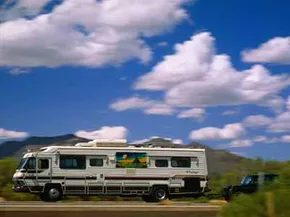
Acquiring a tow dolly might not be the first item on your garage to-do list, but it solves specific logistical nightmares better than almost anything else. Consider the classic scenario: you’ve just bought a massive Class A motorhome. You want the cross-country freedom of RV travel, but you also need a daily driver for errands once you park. Hauling a compact sedan behind your RV on a dolly means you never have to wrestle that 40-foot behemoth into a grocery store parking lot.
Then there’s the family move. One moving truck. Two cars. Two drivers. Without a dolly, someone has to ride in the cab with the driver, or you’re hiring extra help. A dolly lifts the front wheels of the second car, turning a complex logistical puzzle into a simple two-vehicle convoy.
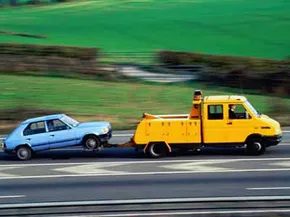
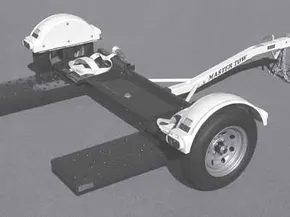
The mechanics are straightforward. A tow dolly elevates the front tires of the towed vehicle. The rear tires roll on the highway. This setup is useful, but it isn’t the only option. In fact, understanding where a dolly fits in the broader hierarchy of towing methods is key to making the right choice.
The Spectrum of Towing Methods
Towing isn’t one-size-fits-all. The best method depends entirely on your drivetrain, your tow vehicle’s capacity, and your budget. We can categorize these methods by how many wheels are touching the pavement.
Four Wheels Down: Tow Bars
If you want all four wheels on the road, you need a tow bar. This rigid connection links the towed vehicle’s frame directly to your towing vehicle’s hitch.
This method is popular for four-wheel-drive trucks and SUVs that have a neutral gear for towing. However, it puts significant stress on the drivetrain if not done correctly. Front-wheel-drive cars generally cannot be towed this way without damaging the transmission.
Four Wheels Up: Car Haulers
When you need all four wheels off the ground, you’re looking at a car hauler or a full car trailer. This is the safest method for any vehicle, regardless of drivetrain.
There is no risk to the transmission. There is no wear on the tires. You simply load the car and go. The downsides? Cost and convenience. Full car haulers are expensive to buy and rent. They are wide, making highway maneuvering a nightmare in tight spaces. They take up massive amounts of storage space at home.
The Middle Ground: Tow Dollies
A tow dolly sits between these extremes. It lifts the front two wheels. The rear two roll.
This creates a specific set of advantages and disadvantages. It is cheaper and more manageable than a full car hauler. But it is not as easy to set up as a tow bar, and it places specific demands on the rear tires and suspension of the towed car.
Why Choose a Tow Dolly?
So why go with a tow dolly? It comes down to a balance of cost, convenience, and mechanical safety.
For front-wheel-drive vehicles, a tow dolly is often the only viable option that doesn’t require a full trailer. You can’t tow a front-wheel-drive car with all four wheels down (the transmission spins without lubrication). You could put it on a flatbed,
Tow dollies aren’t just relics of a bygone era. Sure, the market has shifted. Modified tow bars became the go-to for many enthusiasts who wanted to slap a hitch on their SUV and drag their sedan behind them. But loyalty to the dolly remains strong. Why? Because sometimes simplicity wins. Sometimes protection wins.
Let’s look at the mechanics. Specifically, the transmission.
Front-Wheel Drive and Automatic Transmissions
If you own a front-wheel-drive vehicle with an automatic transmission, a tow dolly is often your safest bet. Why? Because it lifts the drive wheels.
Here is the rub with four-wheel-down towing: automatic transmissions rely on a pump to circulate fluid when the engine is running. If you are being towed with the engine off, that pump isn’t spinning. The gears inside are grinding against dry metal. Heat builds up. Seals blow. The whole thing melts down.
To tow an automatic four-wheel-down without frying the gearbox, you need modifications. We’re talking about lube pumps. Or axle disconnects. These are aftermarket accessories. They are expensive. They are complex to install. And they don’t always guarantee long-term reliability under heavy loads.
A tow dolly skips the headache. You load the front wheels. The drive shafts aren’t turning. The transmission stays cool. It’s a straightforward solution for that sudden breakdown when a friend’s sedan loses power on the highway. Or when you’re swapping cars for a track day and need to move the support vehicle quickly.
The Odometer Loophole
There is a weird quirk in some car designs. If the front wheels turn, the odometer counts miles. Even if the ignition is off. Even if the engine is dead.
This happens because the speed sensor is tied to the transmission output or the front wheels directly. Roll those tires, and the computer thinks you’ve driven. It ticks up the mileage on a car that is currently being dragged behind a truck.
Elevating the front tires solves this. A tow dolly lifts those front wheels off the pavement. The odometer stops counting. The miles stay put.
People have found workarounds. You can pull the fuses. You can disconnect the speedometer cable on older models. But relying on a hack is risky. A dolly is a physical solution to a digital problem. No fiddling with wires. Just lift and go.
Navigating the Dolly Market
The market is flooded with options. You don’t need to buy the most expensive unit to get the job done. You need the right unit for your specific vehicle weight and dimensions.
Before you swipe your card, consider these factors:
- Weight Capacity: Check the Gross Vehicle Weight Rating (GVWR) of your towed car. Do not exceed the dolly’s limit. Overloading a dolly is a recipe for axle failure or brake lockup.
- Wheel Width: Can your car’s tires fit between the guide arms? Wide rims or low-profile tires might not clear the dolly’s track.
- Braking System: Most states require electric brakes on towed vehicles over a certain weight. Ensure the dolly has a compatible brake controller setup.
- Ease of Loading: Look for ramps with a manageable incline.
Deciding Between Tow Dollies and Full Car Haulers
Picking the right towing setup isn’t just about grabbing the cheapest hardware at the auto parts store. It’s about matching the gear to the machine you’re dragging. You need to know exactly what you are towing before you even think about hooking it up. Some cars just plug in and roll. Others require you to tear into the drivetrain just to keep the transmission from dying.
The real headaches show up with four-wheel-drive, rear-wheel-drive, and all-wheel-drive models. If you ignore this, you’ll end up with a shredded transmission. In many cases, you have to disconnect the driveshaft. Sometimes you need additional accessories too. The type of gearbox matters just as much. A manual transmission changes the rules compared to an automatic.
The smartest move? Talk to the manufacturer before you buy anything. They know their engineering limits better than anyone.
You have to figure out if a tow dolly or flat-towing four wheels down makes sense for your specific car. Some vehicles are ready to roll right out of the driveway. Others need a quick tweak. And some are expensive nightmares to prep. If you are already sweating the cost of a full trailer, using a dolly bypasses most of those mechanical risks.
Weight Limits and The Tow Vehicle
Knowing the numbers is non-negotiable. You need the curb weight of the towed vehicle. You also need the Gross Vehicle Weight Rating (GVWR) of your tow vehicle. And the hitch rating has to be part of that equation.
If you’re mostly hauling a small sedan, a tow dolly is usually fine. But try putting a full-size SUV on one and you might hit a wall. Tow dollies are heavy. We’re talking 500 pounds (225 kilograms) or more for most models. That dead weight adds up fast. You might exceed your tow vehicle’s limits. You might even be forced to buy onboard brakes just to meet legal requirements.
Extra brakes and lights are a good idea regardless of weight. Safety isn’t a variable you can negotiate.
There is also a weight ratio to respect. U-Haul suggests keeping a buffer. Specifically, a 750-pound (340-kilogram) difference between the front vehicle and the one on the dolly. If your SUV weighs 6,000 pounds and your truck weighs 5,000 pounds, you’re in trouble. The physics of towing don’t care about your budget.
Width and Practicality
Width is another trap. Tow dollies have strict maximums on how wide a vehicle they can handle. If your car is wide, you might not fit it on the dolly at all. This isn’t just about clearance. It’s about stability on the highway. A wide load on a narrow dolly is a recipe for jackknifing.
Research is your only defense here. Don’t guess. Look up the specs. Consult the manufacturer of the towed vehicle. Talk to a towing expert. They can tell you if a dolly is the right call or if you need a different solution entirely.
The market is flooded with accessories. Tow bars. Wheel straps. Flat bars. Each has a use case. But if you ignore the drivetrain or the weight limits, you’re just throwing money away. And risking a total loss.
Some people swear by flat towing. They love the simplicity. They hate the maintenance on the transmission. Others prefer the dolly because it’s easier to hook up. But it’s not universal. It depends on the car. It depends on the truck. It depends on the hitch.
There’s no single answer. Just careful math and honest research.
Hitch systems aren’t plug-and-play. You need to verify that your receiver and towing vehicle meet the necessary weight ratings before you even think about attaching hardware. Check the components of both vehicles. Follow the instruction manual for your specific dolly. Here are the basics.
Start with hitch ball height. It must be correct. Place the coupler securely on the ball. Connect safety chains between the dolly and hitch. Crisscross them beneath the tongue. If your setup has lights and brakes, connect them now.
Double-check weight limits. Find level ground. Load the vehicle onto the dolly. Whether you have tilting ramps or pullout ramps, unlock them and rest them on the ground. Drive up slowly. Check if your vehicle is centered. Make sure nothing will scrape. Proceed onto the platform. Return the ramps.
For an automatic transmission, put it in Park. For a manual, first gear. Temporarily apply the parking brake. Lock the steering wheel straight. This is non-negotiable. If your wheel doesn’t lock automatically, you must immobilize it manually.
Next, inspect the tire straps. They need to fit the vehicle’s tires snugly. Position them carefully. Avoid twists. Ensure no contact with fraying metal, brakes, or suspension. Tighten the straps. Lock the ratchet. Attach safety chains between the dolly and the towed car. Install lights if you haven’t already. Release the parking brake. Remove keys. Lock doors. You’re ready.
There are critical nuances here. Hook up the dolly to the towing vehicle before loading the towed car. Always load the vehicle facing forward. Why? If the engine weight sits in the back of the setup, the vehicle will sway uncontrollably. That’s dangerous.
If your car has a mid or rear-engine layout, you’ll likely need a full trailer to tow four wheels up. Dollies are designed for front-wheel-drive scenarios mostly.
Avoid sharp turns. The two vehicles could collide. Follow standard towing safety precautions. Never allow people to ride in the towed vehicle. Install a braking and lighting system if your dolly lacks them. It’s a smart idea.
Your dolly is loaded. You’re hitting the road. But there are issues.
Get a checklist. Before you jump in, double-check all hookups. Perform the usual towing checklist plus additional dolly-specific items. After traveling about 100 feet (30 meters), get out. Inspect bolts, safety chains, cables, coupler, tire straps, and ramps. Ensure everything is secure. Check again after 5 miles (8 kilometers). Then every 50 to 100 miles (80 to 160 kilometers).
Problems with Tow Dollies
Trying to reverse with a tow dolly is a recipe for disaster. The rear wheels of your towed vehicle are on the ground, locked in place. You can’t steer them. If you try to back up, you risk jackknifing the whole setup or snapping the hitch. Most experts, and the instruction manuals themselves, draw a hard line: no backing up.
A few daredevils have pulled it off, but why gamble with a thousand-dollar mistake? If you need to move backward, the protocol is brutal. Unhook the dolly. Unhook the car. Move them separately. Reattach everything. It’s a tedious dance that seasoned RVer know all too well. Even if you switch to a tow bar or a full trailer, backing up is rarely an option there either. The limitation is real.
Undercarriage Vulnerabilities
You have to look at the bottom of the car. If your ride has a lip, a spoiler, or an air dam, get it off before you load it. These low-hanging components will scrape against the loading ramp or the dolly frame. Once they crack, they crack. There is no fixing a shattered diffuser while you’re stuck on the side of Route 66.
The Bump Factor
Road imperfections are the enemy. Hit a pothole big enough to make your teeth rattle, and the towed vehicle can jump its alignment. Imagine trying to unload a car that’s crooked on the dolly, wheels angled wrong, suspension twisted. It’s a nightmare that ruins vacation vibes instantly.
Then there’s the empty dolly. Towing just the dolly without the weight of the car on it changes the dynamics. It vibrates. Hard. If you leave the tires at full pressure, the frame takes the beating. You’re likely to damage the axle or welds. Keep the PSI moderate. Reduce the stress.
Weight and Warranty Risks
Add the dolly’s weight to your rig. We are talking 500 to 1,500 pounds (230 to 680 kilograms). That is a significant chunk of your Gross Combined Weight Rating (GCWR). You need to recalculate. If you are already maxed out on your tow vehicle’s capacity, this extra mass pushes you over the edge. Stability drops. Braking distance increases. The math is simple.
But here is the kicker that catches most people off guard. Your vehicle manufacturer might void your warranty if you tow this way. Some brands prohibit flat towing or dolly towing entirely. Check your owner’s manual. Look for the specific clause. If the language is vague, call the dealer. Do not accept a verbal “we think that’s fine.” Get it in writing. Email is good. A stamped letter is better. Without that paper trail, you are on your own if the transmission fails.
Legal and Logistics Headaches
Some states classify tow dollies as separate vehicles. This means they might need special licensing or additional lighting kits. If your towed car is heavy, supplemental brakes might be legally required. Check the DMV regulations for every state you plan to cross. Buying brakes at the last minute before your big trip is a classic rookie error.
Space is another issue. Dollies are wide. Maneuvering them into tight storage spots is often a two-person job. When not in use, they are unsightly clutter in your driveway. Some RVers have found a workaround. They drive their rig over the slanted ramp section. Only the tire ends stick out. It hides the bulk of the apparatus. It’s not pretty, but it saves space.
Final Thoughts on the Tow Dolly
If you have weighed the pros and cons, checked your warranty, and calculated your weight limits, a dolly might still be the right tool for the job. They are affordable. They are easy to hitch. Just remember the compromises.
“Get the warranty permission in writing. Do not trust verbal assurances.”
If you are still convinced, dig deeper. Look into how the transmission lubrication systems work when the engine isn’t running. That is often the silent killer of towed cars.
Lots More Information
Related HowStuffWorks Articles
- How Auto Transport Works
- How Automatic Transmissions Work
- How Brakes Work
- How Car Engines Work
- How Clutches Work
- How Differentials Work
- How Diesel Engines Work
- How Manual Transmissions Work
- How Sports Cars Work
- How Tires Work
More Great Links
- MotorHome Magazine
- National Trailer & Towing Association
- The U.S. National Transportation Safety Board
- The U.S. Department of Transportation (DOT)
Sources
- Collard, Tim. “Newsletter 2.” RV Walk-Thru. (10/15/2008) http://www.rvwalkthru.com/news/Newsletter2.html
- “Dictionary of Automotive Terms.” Motor Era. (9/15/2008) http://www.motorera.com/dictionary/index.htm
- “Frequently Asked Questions.” FamilyRV.com. (10/14/2008) http://www.familyrv.com/faq/faq-towing.shtml
- Gummersall, Bob. “Choosing Toad (Dinghy) for a Motorhome.” RVersOnline.org. (10/14/2008) http://www.rversonline.org/ArtFAQ2.html
- Koehn, Steve. “Towed Vehicle Barking Systems.” RVersOnline.com. 7/1997. (10/14/2008) http://www.rversonline.org/97ConfBrakeSys.html
- Martin, Joe. “Trailer Loading and Towing Guide.” Sherline Products. (9/15/2008) http://www.sherline.com/lmbook.htm#refrn4
- Moeller, Bill and Moeller, Jan. “RVing Basics.” McGraw-Hill Professional. 1995. (10/14/2008)http://books.google.com/books?id=4WiolgqUO20C&pg=PA41&lpg=PA41&dq=tow+dolly+void+warranty&source=web&ots=V-NE5aVXLz&sig=9JI_RWRrKXzBhPU2tpFMPNyhRd0&hl=en&sa=X&oi=book_result&resnum=2&ct=result#PPA40,M1
- “Operations Manual and Warranty Registration.” MasterTow.com. (10/14/2008) http://www.mastertow.com/pdf/manual.pdf
- “Tow Bar FAQs.” TowBar.com. (10/15/2008) http://www.towbar.com/faqs.htm
- “Tow Dolly.” U-Haul. (10/13/2008) http://www.uhaul.com/guide/index.aspx?equipment=towing-towdolly
- “Tow Dolly Equipment Instructions.” Penske. (10/14/2008) http://www.pensketruckrental.com/personal_rental/accessories/towing_tow_dolly.html
- “Towing Glossary.” U-Haul. (9/15/2008) http://www.uhaul.com/hitches/glossary/
- “Towing a Trailer.” U.S. Department of Transportation National Highway Traffic Safety Administration. 4/2002. (10/13/2008) http://www.nhtsa.gov/cars/problems/Equipment/towing/index.htm
- “Towing Tips.” Remco Towing. (10/14/2008) http://www.remcotowing.com/towing_tips
- Walczak, Jim. “Towing 4 Wheels Down.” About.com. (10/14/2008)http://4wheeldrive.about.com/cs/towing4wheelsdown/a/aa070601a.htm