Volkswagen is about to shake up its European lineup. But not in the way you expect.
They aren’t launching new German-engineered sedans. Instead, they’re shipping cars built in China. High-tech. Modern. And specifically designed for markets that have already moved faster than Europe.
CEO Oliver Blume confirmed the move during the latest half-year results call. It’s part of a broader restructuring. A way to cut complexity. To lower costs. To survive.
“We’re a China player,” Blume said. “The market opens the same opportunities as Chinese brands when comes to export.”
Why Volkswagen is importing Chinese models to Europe
Why would a German giant import cars from its most competitive market?
The logic is simple. The market in China is brutal. It’s crowded. It’s fast. To compete, you have to move quicker than your European rivals. VW has been building cars there that are smarter, cheaper to produce, and better connected.
Now, they want to sell some of them in Europe.
But there’s a catch. Blume was clear: these cars won’t cannibalize existing European products.
“We would only bring products in segments which don’t have any European coverage,” he explained.
No overlap. No fighting with the Golf or the Tiguan. These are gap-fillers. They target holes in the range where VW currently has nothing.
It’s a strategic hedge. By exporting successful Chinese models, VW mitigates oversupply risks at home. It leverages its global footprint to sell vehicles that are already proven winners in the East.
Will Chinese VWs be built in Germany?
This is the tricky part. The optics.
VW knows how this looks. There are rumors of plant closures in Europe. Of jobs going East. The fear is real. So Blume added a crucial caveat.
Export first. Test the water. If a Chinese model sells well in Europe, then consider building it in Europe.
“First export, then check the response… we would carefully plan which segments we’d enter, which could then open up opportunity to build any of these models those plants.”
It’s a lifeline for European factories. But not for small cars.
VW won’t build the small, cheap Chinese EVs in Wolfsburg. The margins are too thin. Instead, they’re eyeing larger, profitable segments. Think premium SUVs. Think range-extenders.
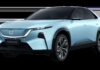
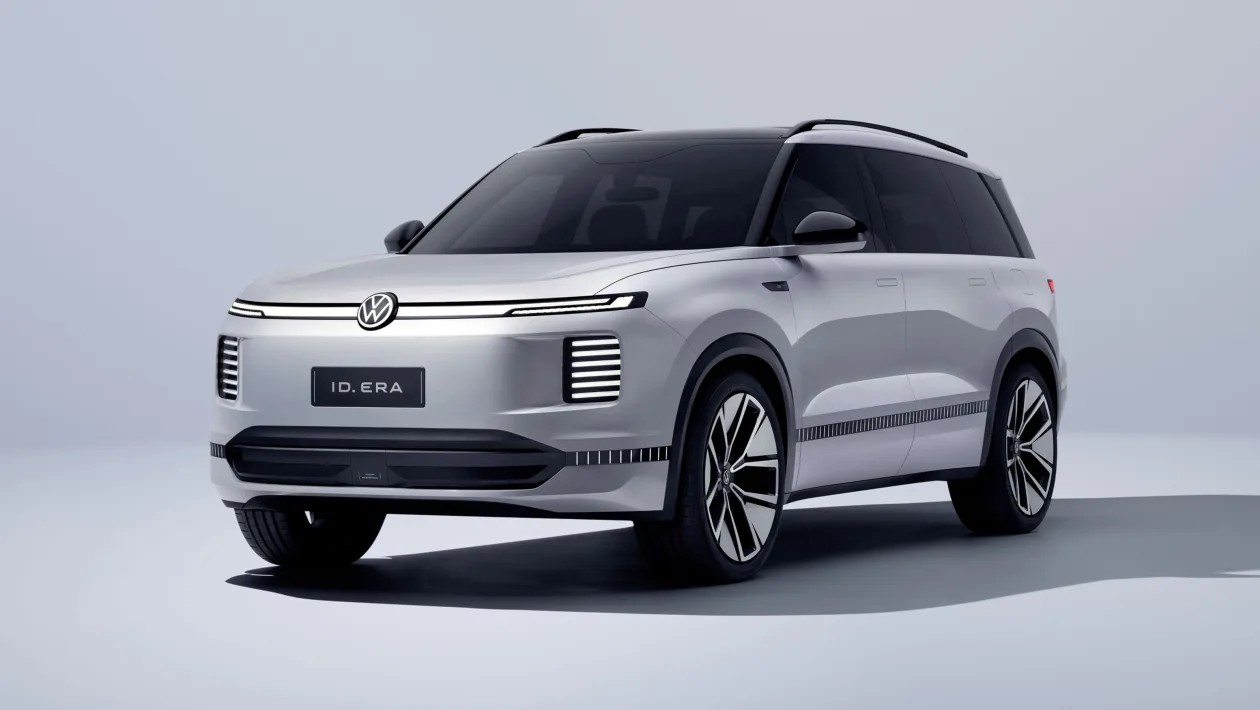
The ID.ERA 7X is a prime candidate. It’s a full-size SUV. A range-extender. It’s already a smash hit in China, sitting at the top of its class.
Range-extenders vs pure EVs: what Europe needs
Europe is still hesitant about pure electric vehicles. Range anxiety is real. Charging infrastructure is patchy.
That’s where range-extenders come in.
They drive on electric power, but carry a small petrol engine to generate electricity. No plug needed for long trips. No charging stress. It’s the best of both worlds. Or at least, what many European buyers want.
Blume noted these vehicles could meet demand before the internal combustion engine ban fully kicks in.
Is this a compromise? Maybe.
But it’s smart business. VW uses its Chinese division to innovate. It tests tech there. If it works, it brings it to Europe. If the European market loves it, they might even build it right here.
The strategy isn’t perfect. It’s messy. It involves complex logistics and political sensitivity. But it’s direct.
VW is no longer just a German car company. It’s global. And if that means selling Chinese-built tech to Germans, so be it.
Will it work? Only time will tell.