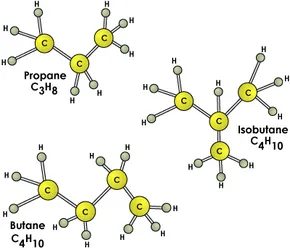
Most people know it as propane, but technically, LP gas is a family of fuels. It includes propane, butane, and isobutane. These components sit in liquid form inside tanks. They only need moderate pressure to stay that way. The mix changes based on what you are doing. Cold weather? You need more propane. Warm climate? You can lean on butane.
The real difference lies in boiling points.
Propane boils at -44°F (-42°C). That’s cold. It vaporizes instantly when you let it out of a pressurized tank. You don’t need fancy heaters to get it to burn. A simple nozzle works. It’s clean. It’s reliable. That’s why it’s the king of portable fuel.
Butane is different. It boils at 31°F (-0.6°C). Below that? It stays liquid. It won’t burn in the winter. This limits its use. It’s often mixed with propane to keep things running when temperatures drop.
Energy Density: How Much Power Is in the Tank?
Energy output matters. You want to know how far you can go on a single pound of fuel.
Propane delivers 21,548 BTU per pound. Butane is close behind at 21,221 BTU. Both beat gasoline significantly.
Here is the breakdown:
* Propane: 21,500 BTU/lb
* Butane: 21,200 BTU/lb
* Gasoline: 17,500 BTU/lb
* Coal: 10,000 BTU/lb
* Wood: 7,000 BTU/lb
LP gas packs more punch per pound than the stuff in your gas tank. It’s dense. It’s efficient.
Ethane and Methane: Not Quite LP Gas
You might hear ethane and methane lumped into the LP category. They are combustible. They exist as gases at normal pressure. But they aren’t practical for vehicle fuel or portable tanks.
Why? Pressure.
Liquefying ethane and methane requires insane pressure. You’d need thicker metal tanks. Heavier valves. More engineering. It’s impractical for commercial use. Propane and butane strike a sweet spot. They liquefy easily. They store safely. They burn cleanly.
So when you see “LP Gas” on a fuel pump or a grill cylinder, think propane. Or a mix where propane is the hero. It’s the only one that handles the cold without complaining.
Where does this stuff come from? That’s the next question. And the answer involves oil refining. But first, you need to know why this fuel is better for your engine’s longevity. More on that later.