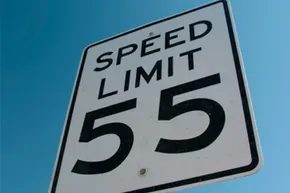
The real cost of #speeding: how fines, insurance and safety statistics add up
You may feel a particular sense of panic when you see flashing red and blue lights in your rearview mirror. you’re late you’re in a hurry And now your wallet is bleeding.
It doesn’t matter if you’re going 5 mph over the limit or blatantly disregarding the law. The results are usually the same. You get a ticket. Insurance premiums go up. You look like an idiot in the driver’s seat.
It’s not just a bad day for a person. This is a national habit.
Why Drivers Get Caught and Pay
One in six Americans gets a speeding ticket each year.
This number sounds abstract until you break it down. This corresponds to around 41 million tickets per year. If we spread this over several days, we find that about 100,000 citations handed out every 24 hours.
The police said they are chasing safety. The roads are dangerous. Speed kills. This is the official explanation. But let’s be honest. For many state and local governments, these tickets are a huge source of revenue.
The calculation is easy. Violations have increased. Revenues are growing. It is clear that there is a tension between public safety and municipal budgets, although officials are reluctant to admit it publicly.
The price of mistakes
So how much does a speeding ticket cost?
Most sources put the average fine at around $150. This figure includes legal costs and administrative costs. It sounds manageable. Until you focus on a specific area.
Take Texas for example. It’s not cheap.
Going over the speed limit by 15 miles will incur a fee of at least $240. Do you go over 30 miles per hour? You should be prepared to pay more than $300. Cash on hand. Because the government doesn’t care about your budget.
If you get a speeding ticket and it goes on your driving record, it can increase your insurance premiums by hundreds of dollars a year.
Here is the real pain. The fine is a one-time fine. Insurance premium increases are a recurring nightmare.
Hidden long-term costs
You might think that once you pay the fine, that’s it. This is not true.
If you let the conviction stand, the insurance company will see you as a risk. Higher risk means higher insurance premiums. A few hundred dollars a year. It can turn into a huge sum of money in three years.
Some people try to get around this by taking a defensive driving school. An additional payment is required in advance. However, your ticket may be rejected. No conviction means an interest rate increase. This is often a smarter financial strategy.
But insurance companies have a reason to hate speeding. It’s not just paper work.
One study shows that ticketed drivers have a 50 percent higher rate of accidents than unticketed drivers. This happened over three years.
Speeding is more than just a traffic violation. It is an indicator of behavior. If you don’t slow down, you’re more likely to make other mistakes. The data supports this.
Avoid fines
What is the best way to avoid a speeding ticket?
Not speeding. Obviously.
But we know that is hard on long empty highways. So what do people do? They buy gadgets.
Radar detectors can cost $150 to $200 or more. if