Coupon only. Sales racks are great. But what about gas? Retailer discounts do not affect this. Some gas stations may offer a few cents off a gallon, but that’s just the surface of the real budget strain. If the prices of the pumps cannot be reduced, the consumption must be reduced.
Our goal is not to become a fuel dealer. It’s about adjusting the way you drive. Small changes in habits can make a big difference in fuel economy. The numbers are real. Increase your mileage and save up to 47%. This is not a typo. This is the main benefit of the introduction of the so-called “green driving”.
Here’s a side benefit. Less gas to burn means less waste gas. This means less dependence on foreign oil. Save money and help the planet. It’s a win-win.
Let’s start with the most obvious weight you carry around.
Garbage in the trunk
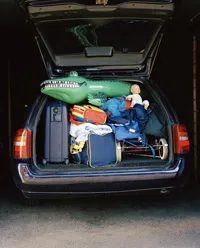
Your trunk is probably a grave full of old gym bags, broken umbrellas, and boxes you were going to recycle six months ago. Every pound of unnecessary baggage weighs itself down.
The greater the mass, the more energy is needed to move the vehicle. simple physics. When your car weighs an extra 100 pounds, the engine has to work harder. The extra mass burns more fuel to accelerate and maintain power.
“MPG is expected to drop 1-2 percent for every 100 pounds of vehicle weight.”
The same applies to cars, SUVs and trucks. Carrying heavy tool boxes and piles of winter gear in the summer can actually be a waste of money. Clean up the mess. Drop the weight. Observe the instruments.
This seems trivial until you realize that a full set of all-season tires can add 20-30 pounds to your weight. A roof rack left on when not in use? This adds resistance and weight. Remove it.
You don’t have to need a full spa day. Just a good purge. Please throw your trash away. Donate what you don’t need. Leave the heavy equipment at home.
The lighter the vehicle, the less you have to struggle with the vehicle itself. The engine breathes more easily. Gear changes go more smoothly. Reduces pump costs.
Why do you still carry it with you?
Green driving tip 9: Your wallet is in your tires
This sounds like basic physics, but most drivers ignore it until the pump is empty. Tires are the only point of contact between the car and the road. If you don’t have air pressure, you’ll be dragging yourself on the pavement.
Friction grows. The engine works harder. Consumes more fuel.
This doesn’t mean chasing PSI just to put a sticker on your door. It’s about rolling resistance. Tires that do not meet the manufacturer’s recommended inflation pressure will flatten slightly. That flattening creates drag. The harder you push the engine, the more gasoline is lost into the air.
Check your tires. monthly. before a long journey. when the seasons change.
The numbers are real. The Environmental Protection Agency (EPA) states that proper inflation can improve fuel economy by three percent. This is important. It does not improve the performance of marathon runners, but it is enough to matter at the pump.
Look at the side walls. Look at the door frame. The sticker has the correct number. This is not the maximum pressure marked on the tire itself. This is a limitation and not a recommendation.
Cold weather matters too. Air contracts. As the temperature drops, tire readings drop. Fill them up in the fall. Save money this winter.
Don’t guess. Don’t eyeball it. Buy a gauge. Use it.
This is one of the few fixes that takes time. And time is cheap. Gas isn’t.
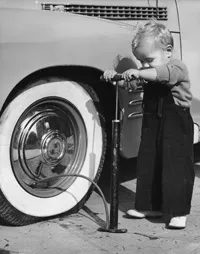
The effect of correct tire pressure on fuel economy
Vehicle weight is not the only factor affecting fuel efficiency. Tires also play an important role. Most people overlook tire maintenance, but it’s one of the easiest ways to get more out of your tank. The fix is easy. Fill to the correct pressure.
Low tire pressure reduces fuel efficiency. Think of it this way. Rolling a bean bag up a hill is tiring. It sinks, pulls and struggles at every corner of the ascent. A hard, inflated ball? Rolls easily. The same physics applies to cars. Properly inflated tires have a smaller surface area with the road. Less contact means less friction. The engine doesn’t have to work that hard. Save gas.
Where can I find the correct pressure number? Don’t guess. Check your owner’s manual. Or look for the sticker on the inside of the driver’s door frame. This decal indicates the optimal PSI for your specific vehicle. The US Environmental Protection Agency (EPA) estimates that properly inflated tires can improve fuel economy by about 3%. Small number? Maybe. But over time, that adds up.
The Case for Low Rolling Resistance Tires
Do you want even more efficiency? Consider changing to low rolling resistance tires. These are not just ordinary tires with a marketing label. They are engineered differently. Rubber compounds are harder. This reduces deformation as the wheel rotates, resulting in less friction than conventional tires.
Use low rolling resistance tires to improve fuel efficiency by 6%.
That’s double the gain from simple inflation. But there’s a problem. The harder the rubber, the harder the ride. Handling might feel less plush. You sacrifice comfort for efficiency.
Don’t rush to buy on a whim. The fuel savings do not cover the pre-purchase costs of the tires. It’s a long-game play. In any case, only replace tires with lower rolling resistance when they need to be replaced. If you buy now, you’ll burn money faster than you save it at the pump.
Don’t just grab the first pair off the shelf. Contact a mechanic or a reliable tire shop. They can match the right model based on your car’s weight and driving style. A mismatched tire, it affects performance more than economy.
Green driving tip 8: Limit the need for speed
With the car light and tires prepped, you’re ready to actually drive it. But just as important as what you drive is how you drive. Speed is the enemy of efficiency.

Speeding up. Step on the brakes. These habits can eat into your MPG quickly. According to the US Environmental Protection Agency (EPA), aggressive driving can reduce fuel economy by 33 percent. The reason is simple. inertia.
Inertia is an object’s resistance to changes in its motion. Cars don’t just drive themselves. They have to overcome the weight of solid metal. Once moving, you want to keep moving. When you stop or start hard, you expend raw energy against natural resistance. This energy is gas.
Think of it this way. Try to pull a heavy wagon from a complete stop to a sprint. Next, slowly increase your speed and try to pull the same cart. Slow pulling consumes less energy. Let momentum do the heavy lifting. Your car works the same way. Accelerate slowly. Let the vehicle build speed. Do not press the pedal too hard.
Coasting to Save Fuel
Maintaining this momentum is the next step. When the light turns yellow, don’t floor it. Take your foot off the gas pedal. Coast toward the intersection. This technique is called coasting and it conserves kinetic energy. You may not even have to stop completely. If the light turns green before stopping, you’ve completely missed the inertia hit. No restart means no extra gas burning.
Highway driving is a different matter. There is no stopping and starting again. But speed is important. The EPA states that most cars reach their maximum efficiency at 60 miles per hour. For every 5 mph over this limit, efficiency drops by 6%. Slow down when traveling long distances. Less time at the pump. The loss of time is minimal compared to the fuel saved.
Hypermilers
There’s driving, and then there’s hypermiling. Hypermilers aim for extreme fuel efficiency. They tweak every input. The way they brake. How they accelerate. How they cruise. Some achieve 75 miles per gallon. It’s not just about cars. This is related to driver discipline.
Green driving tip 7: Want french fries made with alternative fuels?
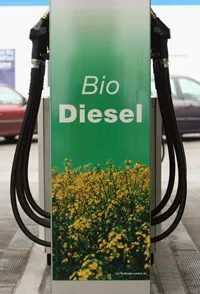
Most people go to the gym to get rid of excess energy stored in the body as fat. America has enough already. It turns out that it can also be used as a power source for cars.
Before you try to siphon fuel from your own hips, understand that this is not a direct connection. Alternative fuels such as biodiesel allow engines to burn renewable energy sources such as vegetable oils and animal fats. These substances, such as peanut oil, vegetable oil, and even leftover French fry oil, require processing. Crude fat must be converted into energy that can actually be consumed by a diesel engine. Once the fuel has been treated, it is ready to do its job. A side effect is the smell. Biodiesel cars smell exactly like the oil powered them. If you drive a truck that uses used cooking oil, you might suddenly find the fast food you’ve been craving.
The economic side of biodiesel is attractive. Fuel is practically free or inexpensive if you have large amounts of fat or cooking oil at your disposal. It is renewable. Plant oils replenish by growing more plants. Animal oil is a by-product of food production. However, there are also disadvantages. These oils contain less energy than petroleum-based products such as gasoline or regular diesel. Your mileage drops. There is no infrastructure. In many cases, you have to prepare the fuel yourself. Kits can help you with this, but the effort involved is significant.
Another, more practical option is ethanol. This fuel is made from plant materials such as corn and wood pulp. It’s basically alcohol mixed with a small amount of gasoline. Not all engines can handle it. General Motors specifies several models with Flex Fuel Capability. The vehicle can run on gasoline or ethanol. Availability is improving. Ethanol is available at gas stations across the country, making it more practical than biodiesel for the average driver.
Ethanol is plant-based and therefore renewable. It can also be manufactured in the United States, protecting the economy from global market forces. There are also disadvantages. Production requires a lot of energy. When ethanol is transported through pipes, impurities can accumulate. Must be transported by truck or barge. It’s expensive. In addition, farmers sell their crops in bulk to ethanol producers, causing global food prices to rise.
Using ethanol has the same disadvantages as gasoline. A large-scale transition to ethanol may not be ideal. Private drivers can still use the green route. You too can be part of the solution to save resources and reduce pollution.
Green driving tip 6: Is it time to trade in for a more efficient car?
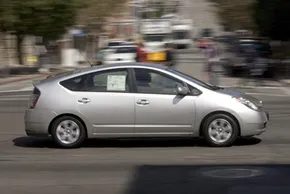
Abandon your gas-guzzling car. If you really want to change your carbon footprint, here’s the bare truth. Take the Chevrolet Tahoe for example. This is a large vehicle with an EPA-estimated fuel economy rating of just 16 mpg combined. Next, let’s look at Honda’s Fit. Small in comparison, but gets 30mpg combined. The calculation is easy. Just changing the vehicle class almost doubles the efficiency.
But why stop there?
It can be made more environmentally friendly. Consider a gas-electric hybrid. The Toyota Prius leads the field with an EPA-estimated 46 mpg combined. Let’s think about volume. Switching from a Tahoe to a Prius can save you nearly 6 gallons of gas per week. It’s money that comes back into your pocket and out of the air.
The secret sauce is the hybrid powertrain. The Prius’s gasoline engine shuts off automatically when driving at low speeds or in traffic. During these idle times, the electric motor takes over. Zero fuel consumption. Exhaust gas emissions are zero. It is engineering that works in your favor.
The hidden costs of driving alone
Not ready to buy a new car? That’s good. You still have leverage.
Consider sharing a car you already own. This is where the real subtraction happens. It’s not about efficiency, it’s about practicality. Every empty seat is wasted potential.
Carpool
Carpooling is the most underrated green driving tip. It does not require a new purchase. This requires a change in habits.
Consider the logistics. If you drive to work alone, your car uses as much fuel as one person. If you carry two colleagues, you will use about 50% more fuel instead of 200% moving three people. Emissions per person have decreased significantly.
It is not just about gas. This is aimed at reducing the total number of vehicles on the road during peak hours. Fewer cars means less traffic jams. Less congestion means fewer stop-and-go cycles. Fewer cycles mean less idling.
“Every empty seat is wasted potential.”
Where can I find a carpooling partner? Look locally. Workplace notice board. Neighborhood app. Even the parking lot at your gym.
The benefits add up quickly. Reduced wear and tear on your existing vehicle. Lower maintenance costs over time. A smaller share of the commute cost.
Some might argue it is inconvenient. it is not. It is a schedule. Once you lock in the departure time and the route, it becomes a routine. The environmentally friendly benefits are immediate. You reduce your personal contribution to traffic and pollution by half, a third or a quarter.
Why drive alone when you can share the load? The engine runs hotter. It runs cleaner. Also, the roads are a little less congested with single passenger cars, so you can get there faster.

Splitting the ride is the oldest way to save money on fuel. It’s not just green. It’s all about efficiency. When two or more people squeeze into a vehicle, the number of solo trips decreases. Fewer cars means less gas consumption. Simple math.
HOV Lanes: Skip the Traffic
Many cities have infrastructure that rewards shared rides. Look for the High Occupancy Vehicle (HOV) lane. These are separate lanes on highways reserved for cars with a minimum number of passengers. If you drive alone, you get stuck in the slow lane. If you have two or more people, you can slide past the congestion.
The benefits are twofold. Commuters save time. Cities reduce pollution. The system is designed to reduce the total number of vehicles on the road during rush hour.
Formal Ride-Sharing Programs
Not everyone lives near their co-workers. That’s where the formal ride sharing programs comes into play. These services connect drivers and passengers with similar routes. This settles the “Who’s Driving?” – problem. Before the questions start.
Some programs go further. They established a central pickup hubs. This means you don’t have to waste fuel driving door-to-door to collect everyone. The program often provides a backup rides if the driver becomes ill or has an emergency. You do not get stranded.
The Financial Breakdown
You can cut the costs in half by carpooling. By alternating driving days, everyone pays only half of the gas. Maintenance costs are also reduced. If you drive the car less, you need oil changes, tire rotations and brake inspections less often.
The mileage is the killer of the resale value. Every mile driven increases wear and tear. Sharing the load slows down the odometer. Your car stays newer for longer. It has a clear history and therefore a higher resale value.
Car Sharing Benefits
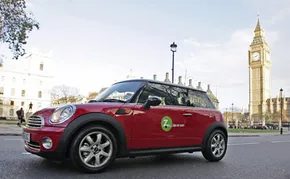
Car shaTires is more than just a trend. This is a seismic shift in the way urbanites view car ownership. This model is becoming more and more popular in urban centers where parking spaces are scarce and public transport is dense. Demographics? People who sometimes drive a car. You probably work from home three days a week. Or maybe you just need a car for weekend errands. You don’t need to take out a loan on a depreciated property that is in your driveway 95% of the time.
While services like Zipcar dominate the commercial space, the ecosystem includes non-profit cooperatives and informal peer-to-peer shaTires networks. The mechanism is simple. Pay the monthly fee. This fee gives you access to a distributed fleet. Cars are parked in the places reserved for them in different parts of the city. You can make reservations through the app or the website. You walk to the venue. You drive.
The environmental logic of the on-demand wheels
The calculation here is easy. Car shaTires reduces the total number of vehicles on the road. When I don’t have a car, I don’t drive out of habit. You drive because you have special needs. This intentionality changes behavior. you are planning a trip. You consolidate errands. If you don’t need a car, just keep it.
But when the situation demands it, the car is there. Do you need groceries delivered from a large store? Jump into the van. Want to pick someone up from the airport? Book a car. Would you like to go to the beach for the day? You have wheels.
“Car shaTires reduces the total number of vehicles on the road by changing habitual driving to intentional driving.”
Breakdown of cost of ownership
Economic arguments are as strong as environmental arguments. Ownership has hidden frictions. insurance. Maintenance plan. Oil change. Tires. ShaTires allows you to outsource these worries.
Most car share memberships include fuel. Some include insurance. Maintenance is the responsibility of the service provider. Monthly payments are usually lower than a normal car payment. You can use your car without a long-term commitment.
If you want to reduce your carbon footprint, but are not ready to give up the combustion engine completely, car shaTires offers a practical middle ground. Although they are not emission-free, they consume far fewer resources than private ownership.
Next step: public transport
If you want to get around, but want to be more environmentally friendly than shaTires a car, you can share a bus. The next page tells about the environmentally friendly benefits of public transport.

Public transport is not just for people without a car. This is a strategic step for anyone who wants to reduce their carbon footprint. If you swap a solo drive for a bus seat, the math changes immediately. It’s not just about getting cars off the highways. You are clearing space for dozens. The train can carry hundreds of passengers. That means hundreds of tailpipes silenced at the same time.
The environmental rewards are clear. Fewer cars means less traffic jams. Less congestion means smoother traffic, which in turn reduces idling and the associated emissions. But the benefits of urban planning go even deeper. Dense construction is concentrated around metro stations and large bus corridors. This “green development” encourages walking and reduces the need for sprawl.
Actual commuting expenses
Forget abstract environmental statistics for a moment. Look inside your wallet.
Consider the typical commuter in Washington, DC. They drove from one suburb to another. The distribution of costs is brutal.
- Gas: ~$35 per week
- Tolls: About $12.50 per week
- Wear and tear: Unquantified but significant
It seems to be around $9.50 a day. Pure fuel and tolls alone cost about $47.50 a week. Next, look at local metro buses. The cost is $1 each way. round trip? 2 dollars.
The calculation is easy. You save $5.50 a day. That’s $27.50 a week. If you ride five days a week, that will cost you over $100 a month. When you add in downtown employee parking fees, the savings skyrocket. In addition, HOV lanes are available on many bus routes. You bypass the gridlock. you are reading the book You can enjoy it lightly without frying.
4 day work week shift system
Want to reduce this amount even further? Reduce the frequency of your work trip yourself.
The four-day work week is becoming more popular. This is not meant to reduce your workload. This is to pack the same result into a shorter period of time. Instead of working 8 hours a day for 5 days, you now work 10 hours a day for 4 days. The total number of hours remains the same. The output remains unchanged.
The commuting penalty are immediately reduced by 20%. One less trip means one less tank of gas. One day less wear and tear on your car. One less day of energy consumption at the office.
Marion County, Florida tested this model. They changed the working hours of city employees to four days. The result? Expected energy savings of $250,000 per year. West Virginia is currently considering a similar bill for state employees. This logic is hard to refute. Reduces the employer’s operating costs. Reduce employee driving time.
Use green alternative fuels
Public transport offers another efficiency: alternative fuel buses.
We are seeing a shift to hybrid buses, natural gas vehicles and biodiesel options. This is not just a marketing ploy. It adds environmental benefits. Public transport has reduced the number of cars on the road. Running these buses on cleaner fuel reduces the overall demand for oil.
Hybrids capture energy. Natural gas burns cleaner than diesel. Biodiesel is renewable. Combining large numbers of passengers with alternative fuels significantly reduces emissions per passenger mile.
Negotiation schedule
How do you actually achieve a four-day work week? Just don’t ask. You pitch.
Build a business case before you talk to your boss. Show how compressing schedules can benefit your business. Reducing overhead? Check. Is it possible to improve employee retention? Check.
Check with the HR department first. Many companies already offer flexible schedules and telecommuting options. If not, propose a trial period. Prove that you can stay productive. Be prepared to spend 10 hours a day. If you are late or lazy, your experiment will fail. If you perform well, you may get additional leave.
Telecommuting: The Ultimate Commute Killer
If 4 days is better than 5 days, 0 days is better than 4 days.
Working from home completely eliminates the hassle of commuting. There is no gas. No tolls. No wear and tear. No congestion contribution. It is the most effective “green driving” tips. In the last part, we’ll explore how to make that work

Skipping the daily commute can also be effective. Skipping this completely changes the equation.
Working from home is no longer a fringe benefit. This is the default mode for millions of people. No special laboratory or dental chair is needed. For most information-related jobs, all you need is a laptop and broadband.
Productivity myths
Imagine a worker in sweatpants staring at the ceiling. It’s a stereotype. The reality is different. Companies report that remote workers are more productive. Why? No more distractions. Office gossip stops. Gone are the meetings that could have been held via email. The pressure drops. The focus becomes clearer.
The math backs this up. Even being partially remote can have significant benefits.
Save fuel
If all eligible employees stayed at home only two days a week, the fuel savings would be enormous. That means 1.35 billion gallons of gasoline are stored underground each year. This is not a theoretical matter. This is based on current commuting habits and vehicle efficiency statistics.
Companies see ROI immediately.
- Reduce operating costs of unused office space.
- Reduces employee stress and reduces turnover.
- The real estate footprint is small.
Environmental effects
Less gas in the tank means less carbon in the air. Less electricity in tightly connected office parks means less emissions from power plants. The most effective green driving tip is not new tires or a hybrid engine. It’s staying home.
Driving zero miles is the ultimate fuel economy hack.
Gap between possibilities and reality
Despite the clear advantages, adoption has been slow. A 2006 Green Car Congress study found that only 11 percent of Americans who are eligible to telecommute actually do so. The infrastructure is there. There is demand. The hesitation remains.
Technology has caught up. The policy is not always followed.
Source and additional information
The data comes from several monitoring units. The EPA provides basic fuel economy ratings. The Telework Coalition’s industry report discusses workplace trends. Environmental blogs such as TreeHugger track the wider environmental impact of reduced travel.
For background information on the technologies involved, check out biodiesel processing and the mechanisms behind hybrid battery regenerative braking systems. Transport and energy policy are more closely related than many people realize.
You can still drive. You can still commute. But the alternatives are getting cheaper, faster and cleaner every year. It’s no longer about comfort. It’s all about efficiency. The numbers don’t lie.
Where is your company in hybrid work models? This trend is accelerating. Like it or not, the path changes.