Today, half of the vehicles on the road in the United States are 10 years old. This reaching the age limit is more important than most drivers realize. When the age of the car reaches two digits, the probability of failure doubles. The probability of the need to draw increases fourfold. These are not guesses. These are concrete readings from the American Automobile Association (AAA), which is what most people call when their battery dies or their car breaks down.
John Nielsen, managing director of Automotive Engineering and Repair, said in a statement: “It’s not surprising that older vehicles are at higher risk for serious failures, but what’s surprising is how many are at risk.”
AAA doesn’t just send tow trucks. They track data. In 2017 alone, they responded to 32 million roadside assistance. About 35% of calls end up with a tow truck. Common culprits? Battery failure, engine failure, tire damage. If you’re one of the 43.6 million people planning a summer road trip, you should be careful. In particular, if you drive a pre-2011 model, you should have a mechanic check these three important areas.
How to prevent battery failure
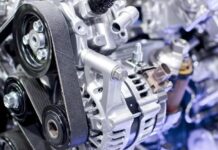
The most common AAA problem is the batteries. This category includes electrical systems such as starters and alternators. These components accounted for 23% of all tow scenarios. The older the car, the greater the risk.
Most car batteries do not announce their impending death. They just stop working. Testing is the only defense. AAA members receive free battery and electrical system inspections at many service centers. This test determines if the battery holds full strength or if it needs to be replaced soon. Non-members can also go to an auto parts store or local mechanic and get a similar test. Don’t wait until the car refuses to start.
Engine cooling system failure
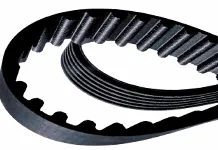
Engine problems are the second most common cause of breakdowns after battery problems. Specifically, 11% of AAA calls in 2017 were due to cooling system failures. Parts such as radiators, thermostats, water pumps and timing belts can fail without warning.
You can spot the early signs if you know where to look. Park your car. after it has been sitting for a while and then check the bottom. Look for fluid pooling on the ground. Smell the air in and around your car. An sickly-sweet aroma usually indicates a coolant leak. If you see this, repair the leak immediately. if ignored, a small leak can lead to a blown gasket or a cracked block.
Tire damage and punctures
Nobody likes a flat tire on vacation. Tire damage is the third most common reason AAA requests a tow truck. The solution is regular maintenance, not just pre-trip inspections.
Check your tires regularly. Check the side walls for cuts, scratches or bulges. Learn how to check tread depth and air pressure. Also check if your car is actually equipped with a spare tire. Many modern vehicles are equipped with sealant kits. If you have the spare, practice changing it before you get stuck on the freeway. While not all flats can be prevented, proper maintenance can significantly reduce the likelihood.
The price of unpreparedness
Being aware can prevent your trip from being ruined. But there is a financial problem here. According to AAA, 33 percent of US drivers struggle to pay for unexpected emergency repairs. These repairs can cost anywhere from a few hundred dollars to a few thousand dollars. Preventive maintenance also costs money. Still, it’s cheaper and more convenient than being towed to a shop in the middle of nowhere.
*Automotive Repair and Maintenance: Dave Stribling’s “Automotive Repair and Maintenance: Easy Lessons on Caring for Caring of Your Car” provides more detailed instructions. Proper testing today can save your summer tomorrow.