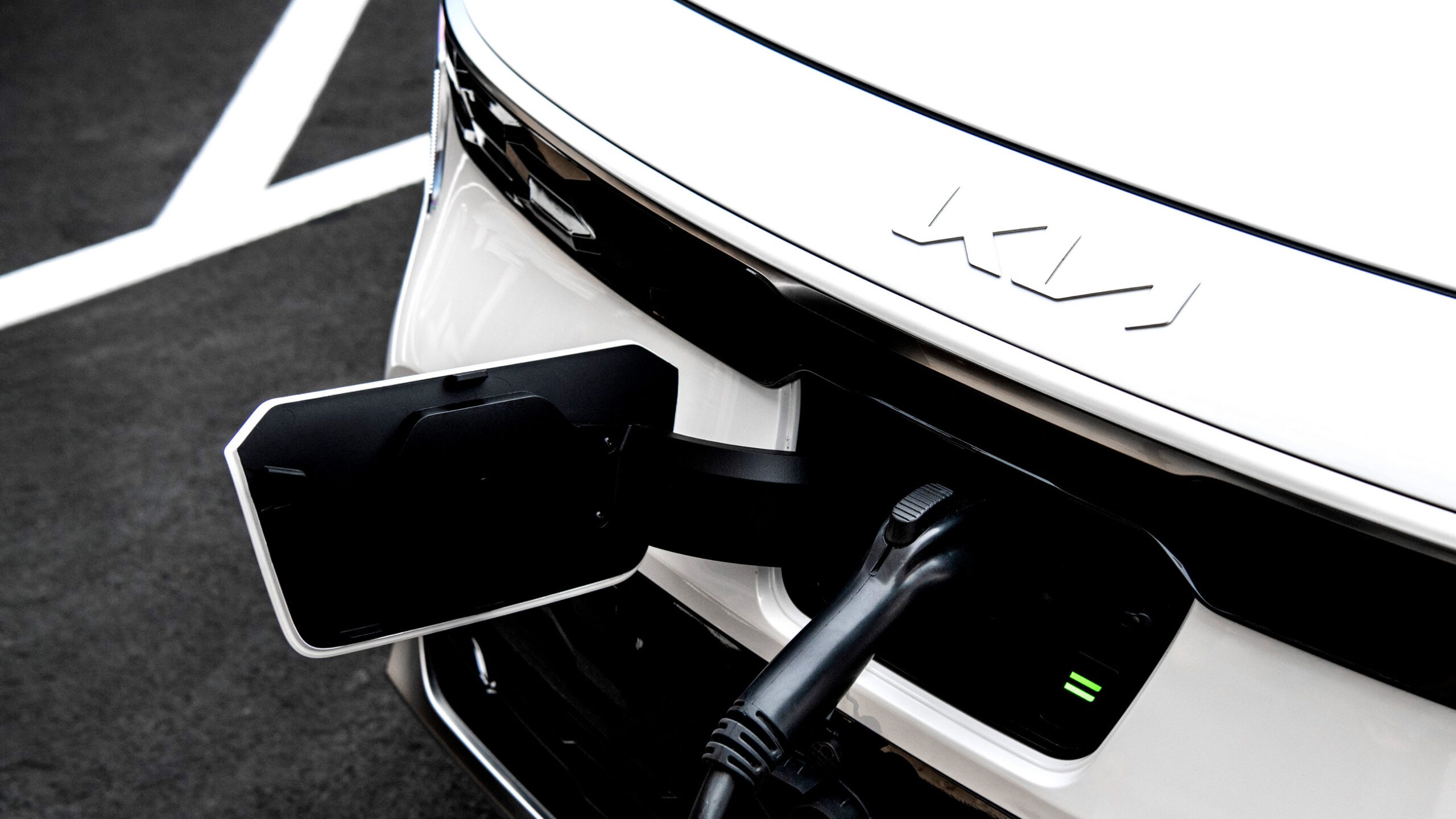
Battery anxiety isn’t what it used to be. A few years ago, buying an electric vehicle felt like a leap of faith. Would the pack fail in three? Five? Maybe seven? The technology has matured. A new study from Sweden confirms that modern batteries are far tougher than their reputation suggested. Specifically, the question now is: which EV holds its charge best after 100,000 kilometers?
The answer might not be what you expect. It isn’t a Tesla. It’s a Kia.
How Battery Health Is Actually Measured
The data comes from Carla, an online car marketplace in Sweden. They analyzed 9,954 battery health tests conducted between 2022 and early 2026. But the methodology is what matters. The tests used an AVILOO diagnostic tool. This device measures the true state of health.
Forget what your dashboard tells you. In-car readouts are often optimistic. They paint a rosier picture than reality allows. AVILOO bypasses that software smoothing. It gives you the cold, hard facts of electrochemical degradation.
After 62,00 miles (100,000 km), most cars showed impressive retention. But one brand dominated the list.
The Healthiest EV Battery Goes to Hyundai Motor Group
The winner, by a nose, is the Kia e-Niro. It retained 97.25 percent of its original capacity. That is staggering. The Hyundai Kona follows closely, sharing the same 64 kWh battery pack. It held onto 97.18 percent.
Third place also belongs to the Hyundai Motor Group stable. The Kia EV6, equipped with a 77.4 kWh battery, finished with strong numbers. The top of the podium is essentially a family affair.
“The pack is now likely to outlast the wrapped-around car.”
This isn’t just about brands. It’s about cell chemistry. The Hyundai/Kia dominance suggests that their specific battery management or cell sourcing is superior for long-term longevity in mixed driving conditions.
Top-Performing European Alternatives
If you aren’t driving Korean metal, there are other strong contenders. The Volvo XC40, powered by a CATL 69 kWh pack, came in next. It held 94.70 percent of its capacity. That’s solid. The Polestar 2 followed, using a 78 kWh CATL battery. It retained 94.35 percent.
The BMW i3 showed impressive resilience too. Its LG Chem version sat at 93.77 percent. Another Polestar 2 variant, this one with an LG Chem pack, landed at 93.53 percent. These numbers prove that European manufacturers are competitive in the longevity game. They aren’t far behind the leaders.
What About Tesla?
Here is where it gets interesting. Tesla, the EV leader, didn’t take the top spot. The best-placed Tesla was the Model 3. Specifically, the version with the 60.5 kWh LFP (Lithium Iron Phosphate) battery sourced from CATL. It retained 93.34 percent of its capacity.
How does that compare to its sibling? The Model 3 with an LG Chem NMC (Nickel Manganese Cobalt) battery held just 91.50 percent.
So, the chemistry matters more than the brand. The LFP cells in this specific Tesla configuration outperformed the more common NMC variants. But they still lost to the Kia and Hyundai models.
Other top-tier performers included the Audi e-tron (50 and 55 models) at roughly 93 percent. The Skoda Enyaq iV held 92.88 percent. The Tesla Model S sat at 92.80 percent. The VW ID.4 was close behind at 92.77 percent. Even the older Model X managed 92.52 percent.
Does Your Battery Actually Die?
The old fear—that an EV’s battery will die young—is dead. Look at the data. Every car in this top 20 kept more than 90 percent of its capacity past 100,000 kg. Think about that. Most owners will not even hit 62,000 miles until they’ve owned the car for three or four years.
The implication is clear. The battery pack is likely to outlast the rest of the vehicle. You are more likely to replace a suspension component or a infotainment screen before you need to replace the heart of your car.
Of course, 100,000km is just a snapshot. Real-world usage varies.