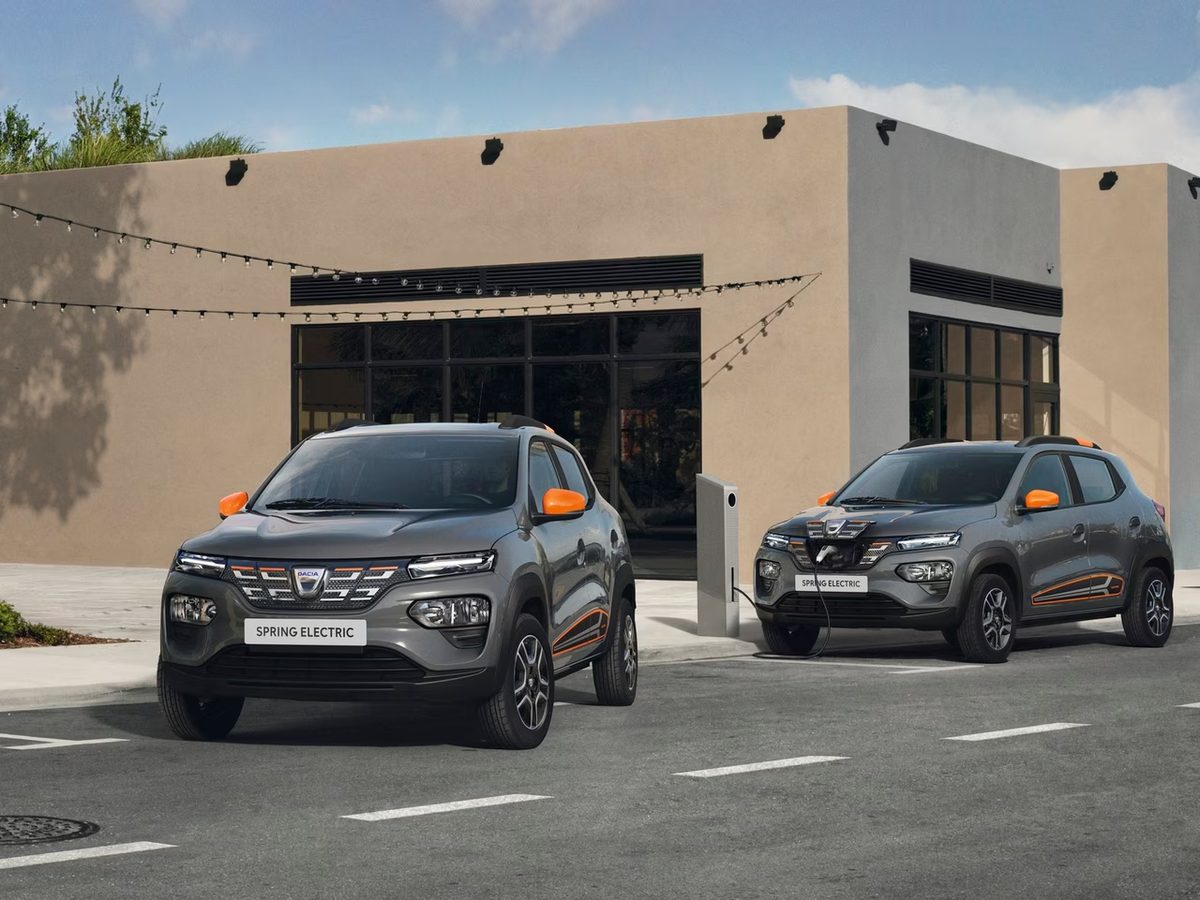
Renault kept its word. The Dacia Spring has finally arrived, marking the brand’s debut into the fully electric arena. The goal is straightforward: dominate the entry-level segment.
The exterior design wasn’t a mystery. It mirrors the Renault City K-ZE sold in China. You get that SUV stance. Flared wheel arches. Reinforced cladding. A ground clearance of 150 mm when empty.
Inside? Less familiar.
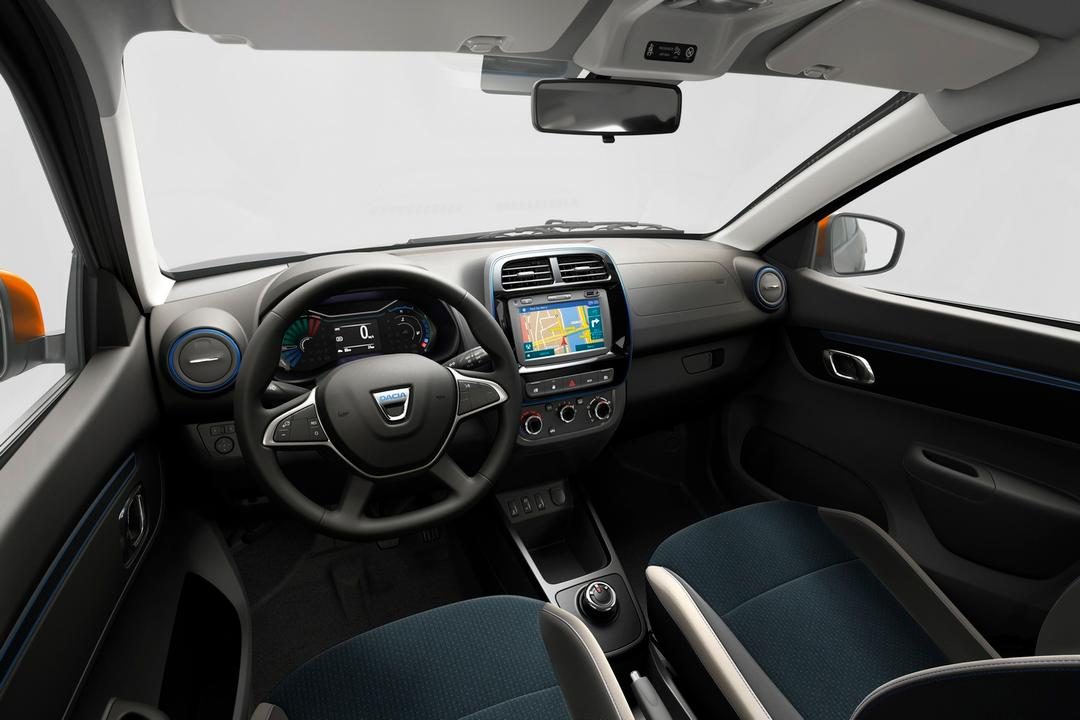
The interior is basic. Not by accident. The finish is stripped-back. The specs are minimal. It seats four. Four power windows. A tiny 3.5-inch display for the instrument cluster. You won’t find luxury here. You’ll find function.
If you want more comfort, you pay extra. Manual air conditioning. A 7-inch touchscreen for the infotainment system. Apple CarPlay and Android Auto compatibility. Electric mirror adjustments. A real spare tire. All optional.
The trunk holds 300 liters. Fold down the rear seats and you double that space.
Under the hood sits a 33 kW electric motor. That’s roughly 44 horsepower. Torque hits 125 Nm. The battery capacity is 26.8 kWh.
Real-World Range and ECO Mode
Range numbers depend on how you drive. On the WLTP cycle, the Spring offers 225 km. Urban driving pushes that to 295 km.
Want to squeeze out more distance? There’s an ECO button.
Activating it limits power to 23 kW. Top speed drops from 125 km/h to 100 km/h. Renault claims this saves about 10% on autonomy.
It’s not fast. It’s not fancy. But for city runs and budget-conscious buyers, it’s a specific tool. One that fits neatly into the bottom rung of the electric market.
The Real Cost of the Dacia Spring
Forget the hype for a second. The headline price tag is the only thing that matters here. We are talking about a potential entry point of €10,000 after the green bonus. That is the number floating around the internet, and it makes the Spring the undisputed king of affordability. Renault claims it will be the “most affordable electric car on the market.” They aren’t kidding.
But how fast can you refill that battery?
It depends entirely on your setup. If you are plugging into a standard wall socket at home, expect to wait less than 14 hours for a full charge. That is 2.3 kW of power. Not exactly thrilling. If you have a Wallbox 3.7 kW installed, you cut that time down to under 8.5 hours. Better.
Still not fast enough? Grab a 7.4 kW Wallbox. You are looking at under 5 hours. And if you are desperate, DC fast charging at 30 kW gets you to 80% in under an hour. Those are the official Renault figures. Real-world results may vary based on ambient temperature and battery health.
Utility Over Ego
This isn’t just about commuting. Renault is planning a cargo version of the Spring. Why? Because utility vehicles sell. This variant offers 800 liters of cargo volume. It has a payload capacity of 325 kg. That is serious hauling for a city car.
The warranty structure is standard Renault. You get 3 years or 100,000 km on the vehicle. The battery itself is covered for 8 years or 120,000 km. That is a significant commitment. It tells you they believe in the longevity of the pack.
Launch Details
Orders open in Spring 2021. The battery is included in the purchase price. You do not lease it. You do not rent it. It is yours.
There will be two equipment levels. Prices were not officially confirmed at the time of the announcement, but the €15,000 pre-bonus figure is the consensus. Once you apply the ecological bonus, you hit that €10,000 mark.
Is it perfect? Probably not. But at this price point, perfection is irrelevant. You are buying mobility. You are buying access. The Spring forces the competition to look at their spreadsheets and realize they have been sleeping.
The market is shifting. The question is no longer if electric cars will be cheap. It is when. The Spring says soon. Very soon.
You plug it in. You wait. You drive. The rest is just logistics.