It’s bleeding money. Insurers in the UK are paying out more than £110 million in claims linked to e-scooters and e- bikes. The number isn’t just climbing—it’s exploding. And nobody really knows the rules.
The Motor Insurance Bureau (MIB), a non-profit funded by insurers to cover uninsured drivers, has processed over 700 of these claims since 2015. The total bill sits at nearly £111 million. But look at the timeline. Roughly £47 million of that was paid in 2025. The year before saw about £30 million go out the door. These figures feel high now, sure. But the MIB notes they’re likely incomplete. Claims lag behind accidents. Victims have up to three years to file. So the real total is probably higher. It still has time to grow.
The Knowledge Gap
Angus Eaton, the CEO of the MIB, sees a dangerous blind spot. People love their micromobility toys but they hate learning the law.
There is a worrying gap between how commonly people use these vehicles and how well they understand the legalities.
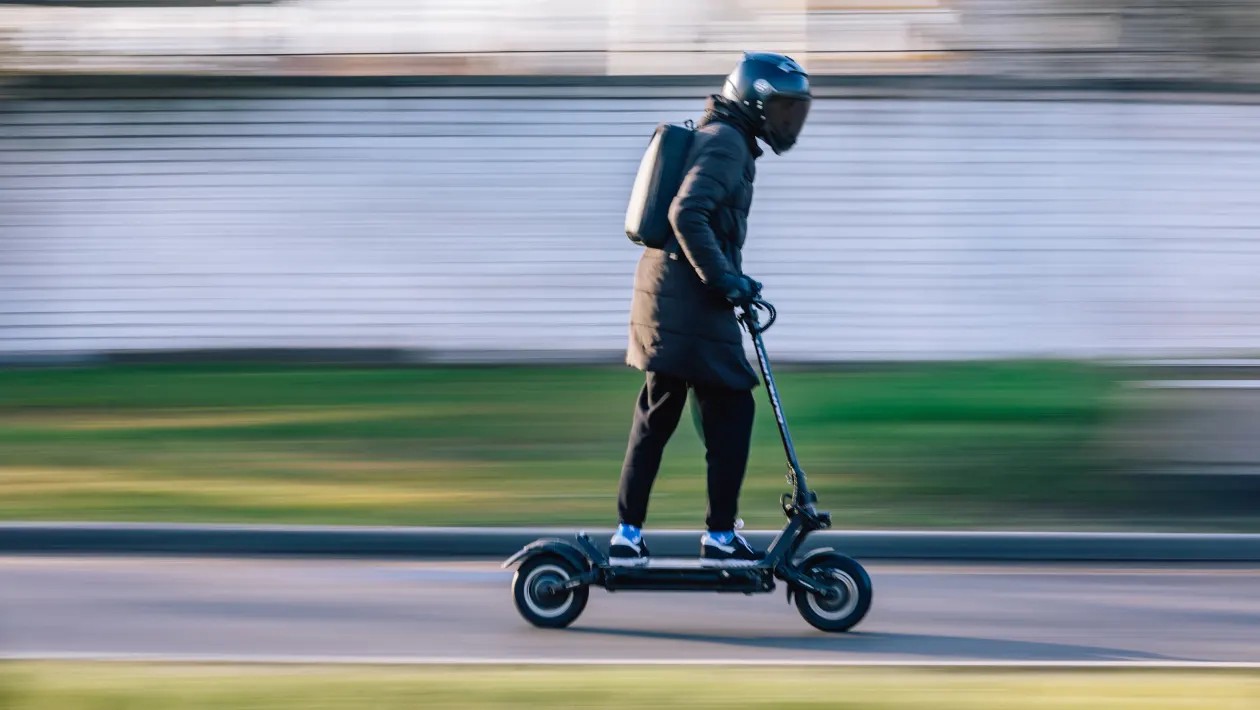
Many riders think they’re fine zooming around on private e-scooters. They aren’t. In fact, riding a privately owned e-scoeter on public roads is strictly illegal in the UK. If you’re not using a approved rental scheme, you’re uninsured. And that leaves you exposed.
Want to risk it? You’ll get six penalty points on your license. An unlimited fine. Your scooter gets seized. You might even lose the ability to drive entirely. Insurance premiums will spike later. That’s if you don’t hurt someone first.
The stakes aren’t just financial. They’re physical. The MIB reports seeing traumatic brain injuries, torn tissues, and complex fractures that need surgery. People are getting hit hard by these small, fast machines.
The Department for Transport calls e-scooter users “other road users.” In 2026, that group suffered just over 2,0200 casualties on UK roads. That’s up 11 percent from 2015, though down slightly from the previous year. Cyclists fared differently—around 16,00 casualties. Fewer than ten years ago, yes, but 10 percent higher than 2024 numbers.
Are we safer on two wheels now? The data doesn’t quite say yes.