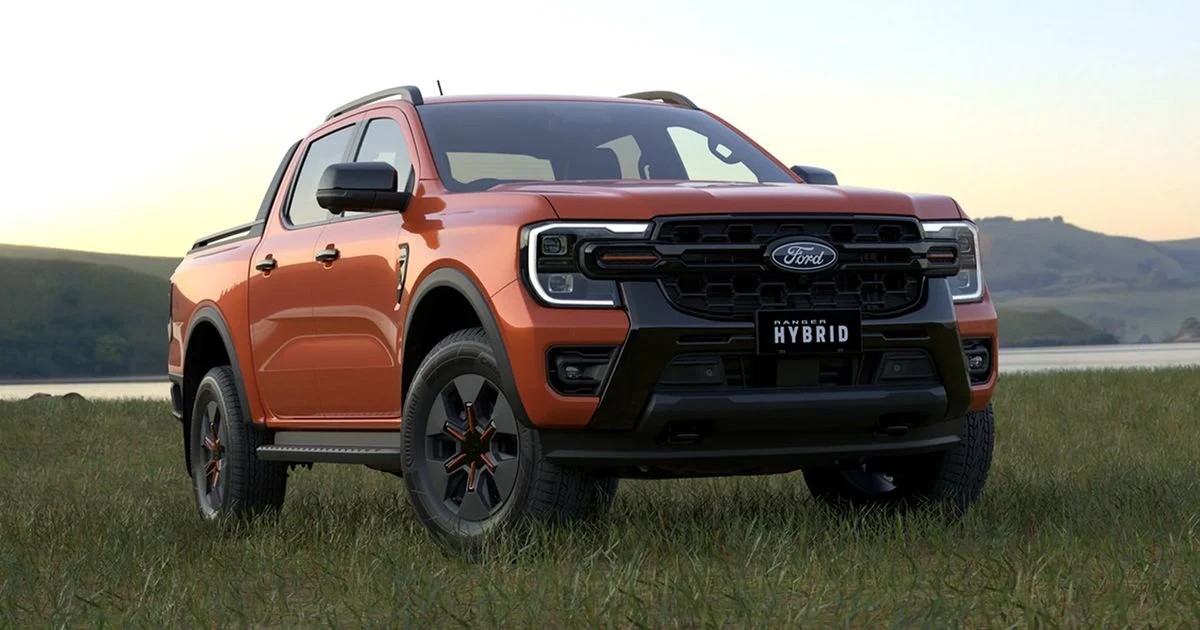
The math has shifted. Ford slashed prices. The new MY26.5 Ranger Hybrids start at $59,00 drive away. No haggling. No on-road cost surprises. That figure covers the entry-level XL version. It used to be $71,99 just for the base model before fees ate your budget. Now that XLT badge is gone entirely.
So how does that stack up against the Australian favourite, the BYD Shark?
The Shark Gap Closes
The BYD Shark 6 Dynamic sits at $55,990. That’s before you add the road fees. Add them in and you are likely north of the Ford’s drive-away price. Even the Premium model which runs an extra $2,000 puts you right there with the Ranger. The gap isn’t gone but it’s bleeding out fast. Ford knows they are under siege from the hybrid surge. They had to act.
Expect these at dealers between July and September 2026. The lineup simplified. The limited-edition Stormtrak vanishes. Just three models now. XL Sport Wildtrak. The Sport drops to $66,00 drive down from the $75,999 before-road-costs tag it carried previously. The top-end Wildtrak hits $70,00 down from nearly $80k. It still loses to the GWM Cannon Alpha on pure sticker shock but the value proposition got a serious upgrade.
Ford Australia hasn’t released the full equipment sheet yet, but the XL gets steel underbody protection and halogen lights. Basic but effective.
BYD isn’t standing still. They launched the Shark 6 Performance recently at $62,990 pre-road costs. It packs a punch. 350kW combined power and a towing capacity of 3500kg. That matches Ford. The other Sharks are capped at 250kg towing. A distinct divide for haulers.
Power and Presence
Nothing changed under the bonnet of the Ranger Hybrid for MY26. The heart remains a 2.3-liter turbo four coupled to an electric motor and that 11.8kW NMC battery. The stats don’t move. 207kW total system output. 697Nm torque. Ford claims 2.9 liters per 100km on the combined cycle. You get about 49kms of pure electric range before the petrol engine kicks in. Real-world results will likely vary.
What gets the XL inside is modest but connected. You get the 12-inch central touchscreen and a 12.4 inch digital instrument cluster. Dual-zone climate control is standard. Safety tech includes adaptive cruise control with stop-and-go. The base kit matches the diesel XL closely enough to avoid sticker shock from regular owners switching to PHEVs.
The Sport bumps it up with 18-inch wheels, LED lights, a sports bar, and leather accents. There’s also Ford’s Pro Trailer Backup Assist which sounds gimmicky but actually saves your sanity at shopping centers.
Wild Colours and Waning Incentives
Wildtrak owners get a colour shift. Cyber Orange is dead. Ignite Orange takes its place. It matches the diesel update from last cycle. Orange cabin accents inside too.
Ford is offering big cash for the diesels though. $5,000 off plus a $4,000 fuel card. These offers ignore the Hybrids. They haven’t been applied here. Yet. Maybe they will if the Shark continues its sales domination.
Competition isn’t slowing down either. Chery has a ute called KP31 that needs a better name. GWM is bringing the Cannon Hi4-T to Australian shores by the end of 26. All of them pushing hybrid tech into the mainstream price bracket. The utes of the future are running on wires now. Not just rails.
Who is going to win the volume war remains unclear. But Ford just made it harder for their rivals to ignore the middle ground.