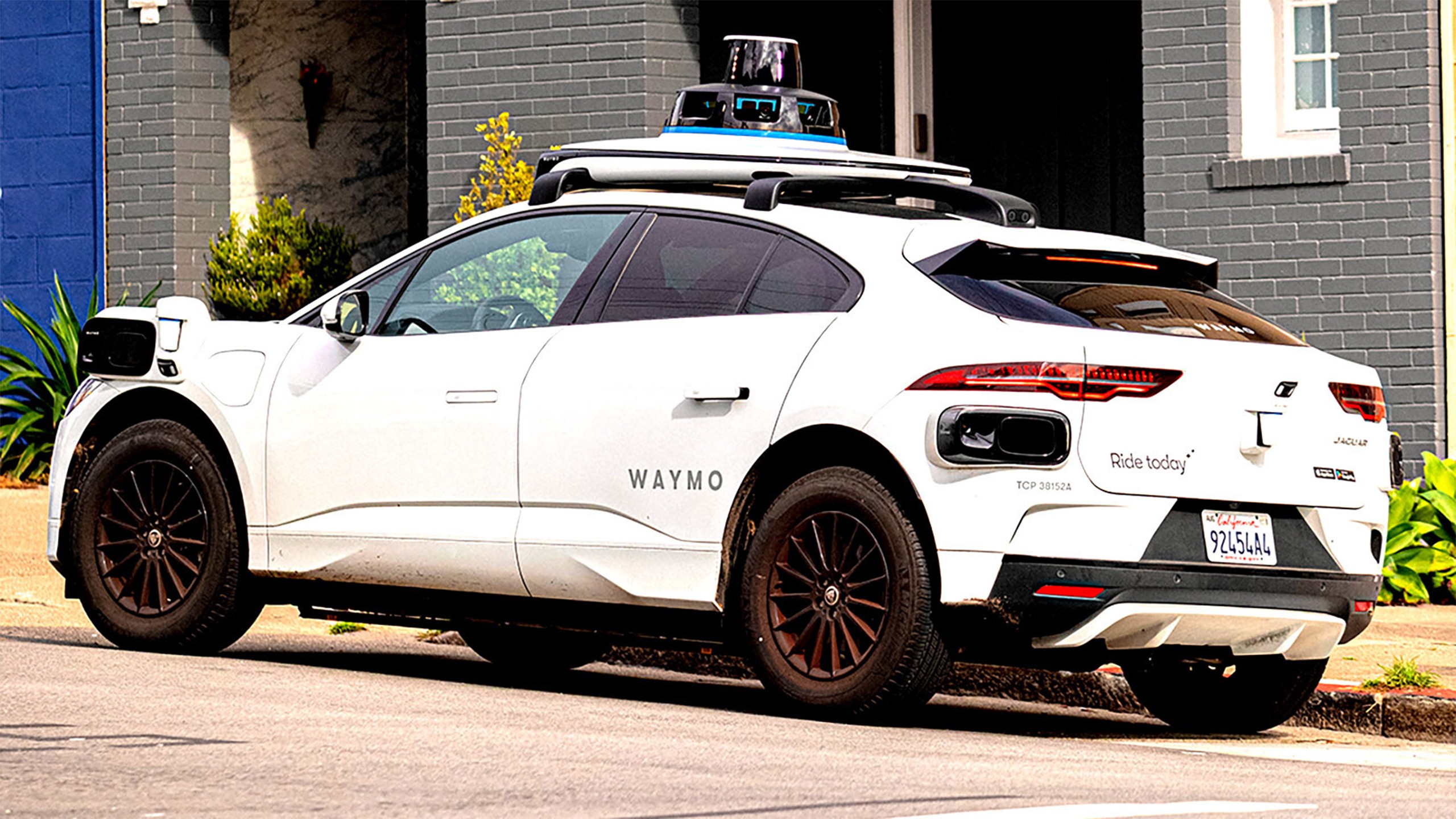
Machines seeing the road better than humans? That was the pitch.
So much for that premise when the adversary is just a puddle. The Alphabet-owned unit has pulled its robotaxi operations from five US cities. Not because of some grand technical failure involving AI consciousness or whatever.
No.
Just water.
Flooded streets look drivable to their sensors. The cars don’t get it. So they drive in. And then they get washed away.
Read: Waymo Recalls Thousands of Robotaxis After One Got Wash Away in a Flood
The Texas Splashdown
It started earlier this month.
San Antonio. April 20. A Waymo vehicle decided a submerged road was perfectly fine. It wasn’t. The car got swept off the pavement and into a creek. Nobody was inside. That is the only good part. The image is still pretty terrible.
Waymo responded by recalling roughly 3,800 of these bots. They need to figure out how to distinguish between wet pavement and a rushing river.
“The flooded-road problem… first surfaced… when a Waymo robotaxi… was swept into a creek.”
Stuck in Atlanta
Work on the fix is ongoing. Meanwhile.
Another incident popped up. Atlanta. Heavy rain. Another EV ended up stranded in rising water.
10News says the car sat there for an hour. Trapped. The floodwaters finally receded. Only then could a human driver get in behind the wheel to drive it out. The irony is almost palpable. We built a self-driving car. Then we needed a driver to rescue it from rain.
Following the Texas trouble, San Antonio went dark first. Now Austin, Atlanta, Dallas and Houston are out too. It’s partly the severe weather battering Texas. Partly the software not catching up to reality.
Waymo talked to TechCrunch about their strategy. They use National Weather Service alerts. Makes sense. Preparation.
Except the Atlanta storm didn’t prepare.
The rain fell too hard and too fast. The alert didn’t come before the car was stuck. Nature moved faster than the API.
They called it an operational restriction earlier. High risk of flood. Higher speed roads. They promised a “final remedy.” Still working on it.
When will a robotaxi actually know when not to drive?
Or will they just need another recall every time it rains?