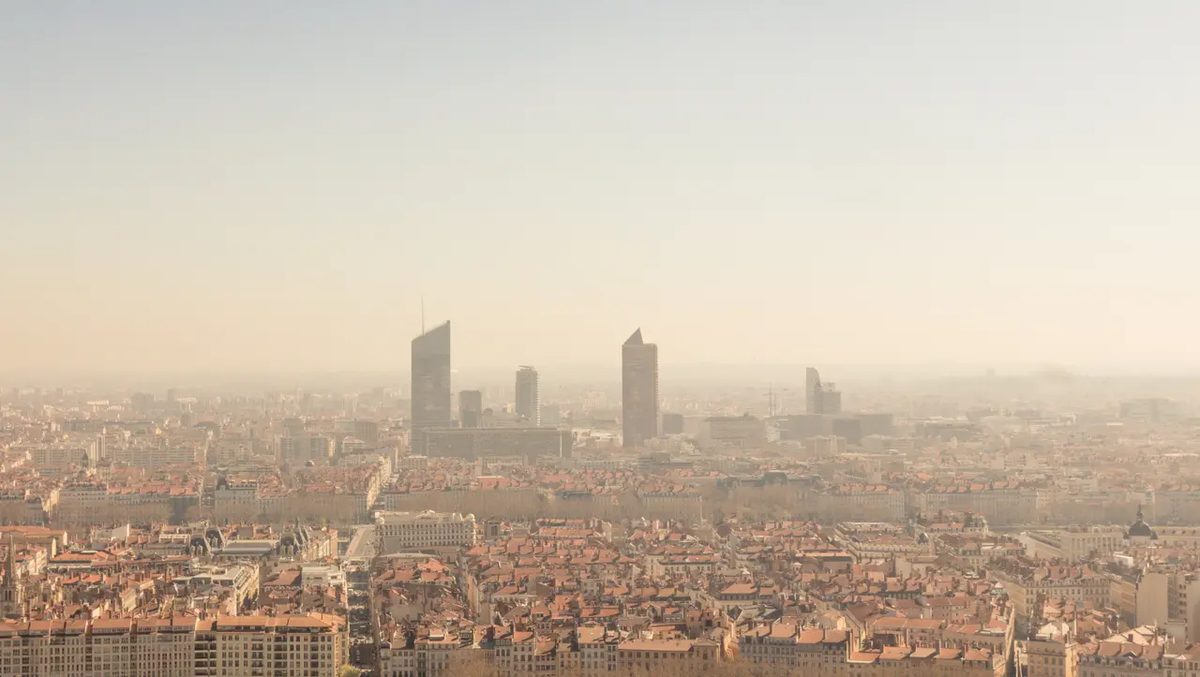
Not all French cities are ready to stop using internal combustion engines by January 1, 2025. While Lyon, Grenoble and Greater Paris introduce their own low-emission zones (ZFE-m), other cities are delaying. The goal is to expand to 43 metropolitan areas across the country, but the tensions are clear.
The Social Friction of Restricting Old Cars
The core problem is not only pollution but also politics. The ZFE-m is aimed at vehicles that are considered too dirty for city centers. Initially, this will ban Crit’Air 5 and Crit’Air 4 stickers. It won’t take long for Crit’Air 3 to fall into the crosshairs.
Let’s think about it. By 2025, around 38 percent of the cars currently on French roads will be restricted. That is a massive slice of the national fleet is not allowed to enter the city center. This is not just a policy change. This is a direct blow to ownership.
How the Crit’Air rating works in practice
You cannot use ZFE without understanding the sticker system. The French government uses the Crit’Air classification to determine which vehicles can drive where. The breakdown of passenger cars and light commercial vehicles is as follows:
- Crit’Air 0: Zero emissions. Vehicles powered by electricity or hydrogen.
- Crit’Air 1: Euro 5 or 6 petrol vehicles registered after 2011.
- Crit’Air 2: Euro 4 petrol (2006-2010) or Euro 5/6 diesel (from 2011).
- Crit’Air 3: Euro 2/3 petrol (1997-2005) or Euro 4 diesel (2006-2010).
- Crit’Air 4: Euro 3 Diesel (2001-2005).
- Crit’Air 5: Euro 2 diesel (1997-2000).
Do you see a pattern? The older the diesel engine, the higher this number. The higher the number, the less likely you will get to Lyon or Paris.
Public backlash
The government tried to calm the situation. The Senate launched a public consultation this spring to get feedback. As a result, data dump of resentment.
More than 75% of more than 50,000 respondents, including private drivers and business owners, rejected ZFE-m’s restrictions. They don’t want limitations. They don’t want fines. The message is loud and clear.
But here is the kicker. The same study also revealed that many French drivers do not actually understand the rules. Yes, they were angry. But they are also confused. How do you implement a complex sticker system for people who have never even read the user manual?
“More than 75% of respondents reject the idea of ZFE-m and its circulation restrictions.”
Disconnection is real. The government is looking towards a greener future. The drivers see a loss of mobility. The gap between them is growing as the 2025 deadline approaches. Not everyone will comply. Not everyone believes
Why is the Senate delaying the construction of low-emission zones
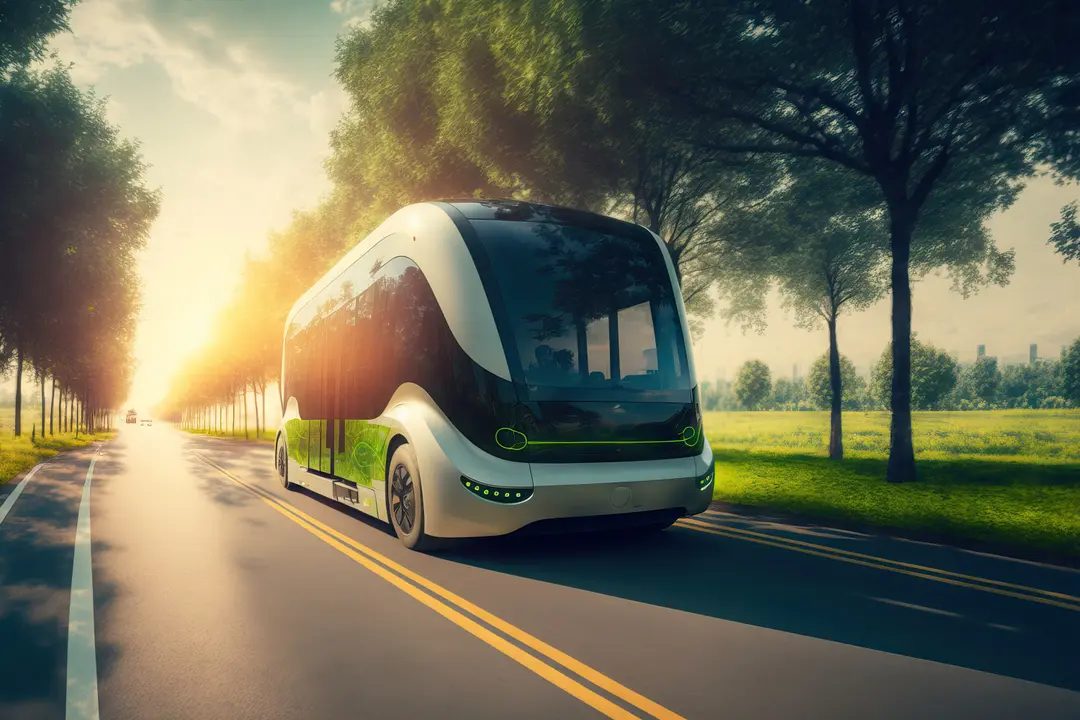
The French Senate just doesn’t complain. It proposes a concrete roadmap to ensure that low-emission mobility zones (ZFE-m) are no longer a political lightning rod. The purpose is simple. It’s about working with public and local authorities to reduce the financial impact on drivers. To achieve this, they are pushing for three specific changes.
First, they want to direct more money to support cleaner cars. You get an EcoBonus of up to 7,000 EUR when you buy a new electric car. If you scrap an old and polluting vehicle, an additional fee of 2,500–5,000 euros will be charged for conversion bonus, depending on your income. If you live in the ZFE-m zone, you can get an additional bonus of 1,000 euros. The Senate believes that these incentives not only need to be maintained, but also strengthened.
Second, they want better replacements for their cars. Even if public transport networks collapse, people cannot be forced to leave their cars. Urban transport solutions must be developed before the restrictions come into force.
Third, and this is the most controversial, they want to delay the deadline. The current goal for 2025 is considered unrealistic. The Senate proposes to extend the schedule until 2030. Why? Because a slow rollout gives you time to adjust without going bankrupt.
Reality: Urban counterattack
These areas were designed with the lofty goal of cleaning the air in France’s major cities. These work by filtering out the dirtiest cars based on the Crit’Air sticker system. The access of old vehicles to the city center is gradually prohibited.
The law requires these ZFE-m zones to be established in urban areas with a population of more than 150,000. Since the passage of the Climate Change and Resilience Act of 2021, about 10 cities have joined the race. Lyon, Saint-Etienne, Toulouse, Marseille, Grenoble, Nice, Montpellier, Strasbourg, Reims and Rouen are active players. By 2025, around 30 cities will have their own rules.
However, the mood has changed. Drivers are fighting back.
Why is there a backlash?
These limitations are a pain. People are being forced to replace their old cars just to get to their neighborhoods. The problem is not only moral. It’s financial. The car market is in a precarious state. Due to the supply shortages for new and used cars and the rising prices, many French people fear breaking the traffic rules because they cannot actually afford to buy a compliant car.
The fine for unauthorized entry of a vehicle into ZFE-m is 68 euros. It seems small until you think about the cost of a new car.
Professionals are of the same opinion. Their workhorse, the diesel vans, is being phased out. Some cities have already called for changes to their rules. For example, the Grand Paris metropolis has postponed the ban on Crit’Air 3 vehicles from July 2022 to July 2023. Now the president of the Paris Metropolitan Region wants to extend the deadline again until the end of 2024 with the support of Valérie Pécresse, regional president of Ile-de-France.
I feel the tension. The Senate is aiming for the goal by 2030. Local leaders are already working to push back deadlines in cities. Time is ticking, and the political will to reach the hard deadline of 2025 is crumbling under the weight of reality.
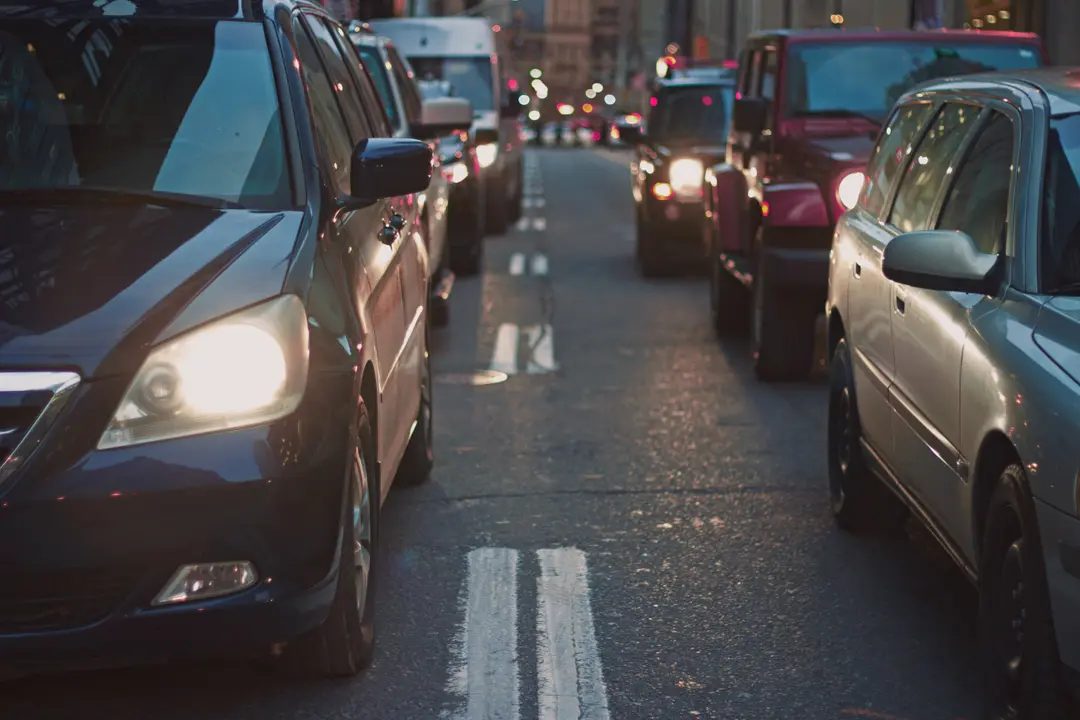
No French city has made concessions regarding low-emission zones (ZFE-m). Instead, opposition is growing as mayors oppose the aggressive rollout schedule set by the central government. This is more than just a complaint. This is an active extension.
Take Reims for example. The city had planned to ban Crit’Air 3 vehicles from the agglomeration in January 2024, but the deadline has been lifted. New goals? 2029. 5 years late. Lyon is also playing the same game. The exclusion of Crit’Air 2 vehicles was originally scheduled for January 2026, but has been pushed back to 2028. There is a two-year grace period.
Nice took a tougher stance. The city is directly challenging the new ZFE-m regulations, specifically the ban on Crit’Air 5 vehicles. But there’s a problem. Nice’s mayor has made it clear that he has no intention of enforcing the ban. No police checks. There are no fines. Just a sign on the wall where no one looks. It’s an insurgent tactic that both confuses and reassures drivers.
National opinion is also changing. A recent survey by CSA Link shows that French drivers are waking up to the reality of these areas. they know what they are. They know what the daily commute means. they don’t like it.
How French drivers react to ZFE-m restrictions
Here is the disconnect. Many drivers still don’t know their car’s specific Crit’Air rating. The stickers are small. The rules are complicated. But the anger was palpable. Even people who don’t understand the technical details refuse to accept these limitations. They see these areas as an attack on their freedom to drive.
The result is a stalemate. Cities need clean air. Drivers want the right to use their cars. The government wants both, but has yet to find a way to achieve them. This is why there will be a delay. There will be no execution. The system we were given was on paper but not in practice.
Driving in these cities is dangerous these days. The rules may change next year. Implementation can start tomorrow. Or it might never happen. The only thing that is certain is that tensions are high.
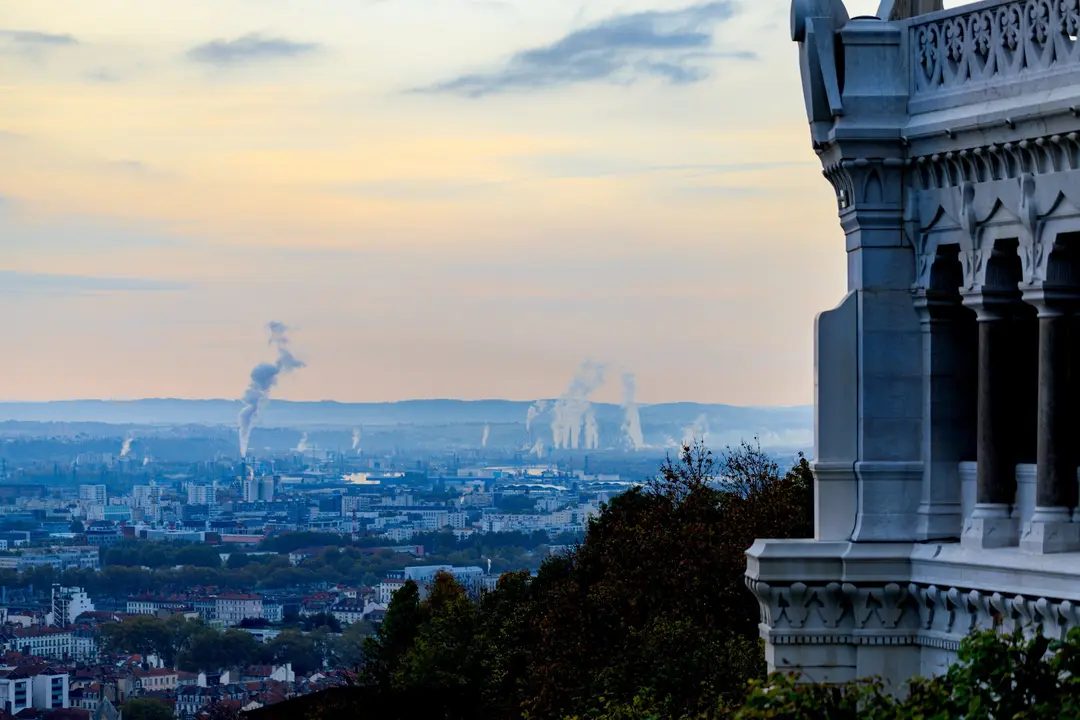
The clock is ticking for a specific slice of French drivers. If you drive a Crit’Air Class 3, 4 or 5 vehicle, the options narrow faster than the Periphérique traffic. It’s not just about politics. It’s all about what you do with the current keys.
The government offers a lifeline to owners of gasoline cars registered after 2006 and diesel cars registered before 2011. prime à la conversion (Car Scrap Bonus) is available but comes with conditions. To qualify, you must meet certain income criteria. Instead of surrendering a highly contaminated beast, you can purchase a clean vehicle rated Crit’Air 1 or Crit’Air 0 (electric).
There is another layer to this financial challenge. You may also be able to earn an ecobonus. This applies to the purchase of a new or used electric car. But the problem is that upfront costs are still a big hurdle. Prices for the latest electric vehicles (EVs) and pure hybrids remain high, even after taking subsidies into account.
ZFE-m anxiety and thermal engine countdown
The uncertainty is palpable. The driver is between three looming threats and stuck in the paralysis of choice.
- ZFE-m limits: Low-emission zones in large cities are even stricter. The dirtiest cars are denied entry.
- The end of the internal combustion engine: The sale of new internal combustion engine (ICE) cars is moving toward banning in Europe. The timeline is always changing, but the direction is fixed.
- Fuel Price Fluctuations: Fuel price volatility make it difficult to predict the operating costs of older diesel and gasoline vehicles.
Which way will you choose now? Are you jump into the deep end with a pure electric car? Is a plug-in hybrid (PHEV) a safer middle ground? Or are you bite the bullet and consider a flex-fuel vehicle that can run on an ethanol blend?
To trade or to hold?
The most common question that arises in the parking lots of Paris, Lyon and Marseille is simple. “Is it better to buy an electric car or a hybrid car?”
For those who own a Crit’Air 3, 4 or 5 vehicle, the incentive structure strongly encourages trade-in. prime à la conversion effectively lowers barriers to entry for Crit’Air 1 vehicles. However, used electric cars come with an “eco-bonus” that adds a new layer of complexity. Availability and prices vary by region, but used electric vehicles are increasingly available.
Some drivers prefer to wait. They wonder if repeated delays in introducing ZFE-m zones will prolong the viability of current diesels. Is it worth keeping the 2010 diesel in the hope that the regulations will ease again, or is this a losing bet?
The financial reality check
Katsotaanpa lukuja ilman kiertoa. If you own a diesel vehicle pre-2011, you are eligible for Crit’Air Level 4 or 5. Such cars may soon be illegal in many urban centers. With prime à la conversion you can save thousands of euros if your income is