Jaecoo wants to own your driveway.
Well. Or at least the parking space next to your Range Rover. They’re launching the Jaecoo 9. It’s a six-seat flagship SUV heading to the UK. It’s based on the Chery Fulwin T11 and some shared architecture from the rest of their current lineup. This launch is a test. It tests the brand. More importantly? It tests whether British buyers actually trust this new player enough to hand over the keys to the family hauler.
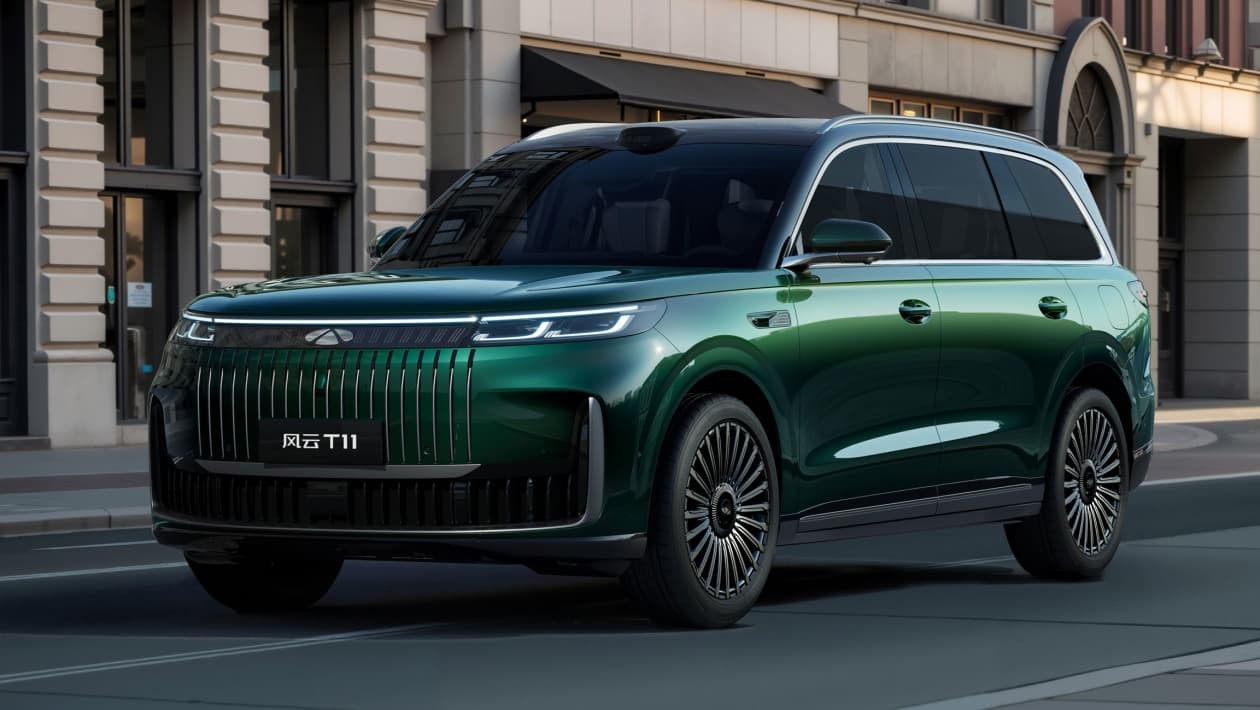
Look at the T11 in China. It’s big. Five point two metres long. That rivals a long-wheelbase Range Rover. But inside? There’s room to breathe. Captain’s chairs in the second row. Two more behind. It’s almost as luxurious as the established heavyweights, if not more spacious.
Design wise? Familiar. Before the global version lands, the DNA is visible on the T11. Vertical slats. Thin headlights. Specific lower bumper geometry. You know the look.
Under the bonget, though, lies the complexity.
A range-extender hybrid system. It uses Chery’s 1.5-liter turbocharged four-cylinder engine paired with one or two electric motors. Want all-wheel drive? Grab the two-motor setup. On the CLTC cycle—known for being incredibly generous—it promises up to 136 miles of electric range. That number is impressive. It’s also optimistic.
Which powertrain reaches the UK remains a mystery. Regulations are the enemy here. Euro 7 standards are tough. Chery isn’t the only one facing a wall; other Chinese makers are finding these specific range-extender setups difficult to certify.
Can a Chinese SUV really shake the British preference for legacy brands? Maybe. Maybe not.
The regulatory maze of Euro 7 might just be the Jaecoo’s first real obstacle before it ever hits a show car.
The question isn’t just about hardware. It’s about timing. It’s about whether the public will buy a brand before they trust it.