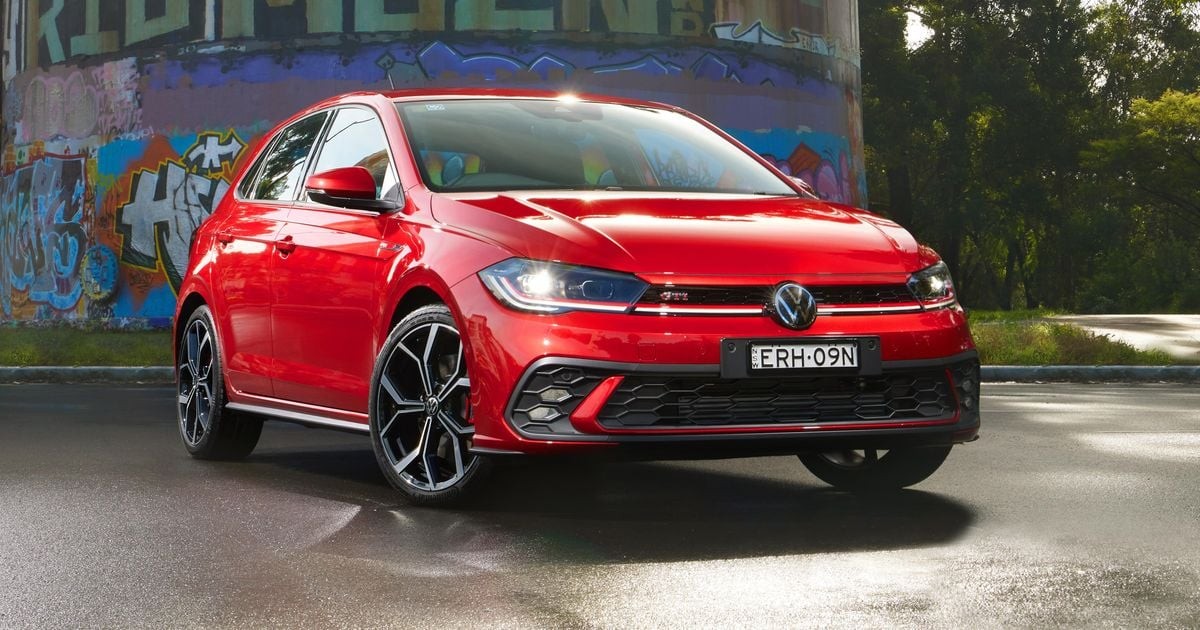
Production is ending.
The petrol-powered Volkswagen Polo GTi is leaving the scene.
Well, specifically the internal combustion version. It’s axed in Australia and abroad, with the curtain call coming in the coming months for model year 2027 units.
A VW spokesperson didn’t sugarcoat it.
“We have a limited number of new Polo_GTis remaining.”
Availability? It varies.
If you want one, call a dealer now.
Don’t wait.
It’s the same urgency we saw when other icons started phasing out, except this one has been here since 2005.
Debuting with the Mk4.
It’s been a staple.
But the story isn’t just about death.
It’s about replacement.
The Electric Switch
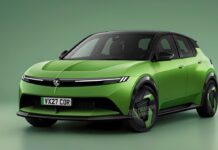
Volkswagen revealed the electric ID. Polo_GTi.
It goes on pre-sale in Germany this autumn.
September to November.
Here’s the tech, because you’ll want to know if it’s any good:
– 166kW electric motor
– 290Nm of torque
– 52kWh lithium-ion battery
Zero to 100 km/h in 6.8 seconds.
Range? 424 km under WLTP.
Let that sink in.
6.8 seconds.
The outgoing petrol version? Also 6.8 seconds.
Same speed. Different soul.
The petrol model uses a 2.0-litre turbopetrol engine pushing 147kW and 320Nm. It sends power to the front wheels via a six-speed DSG automatic. The electric version? Direct drive. No gears. Just instant torque and a quieter cabin.
The ID. Polo launches during the 50th anniversary year of the GTi badge.
Think about that for a second.
Fifty years of combustion performance replaced by battery silence.
The Australian Dilemma
Here is the catch.
Will the ID. Polo actually come to Australia?
Nobody is saying “yes” yet.
Arjun Nidigallu, Head of Product for VW Australia, put it bluntly to CarExpert.
“We need to fall on that curve.”
He means the price curve.
Range expectations matter.
Pricing matters more.
“We’re not against non-SUVS,” Nidigallu said. “I think because how much focus there is on SUVs, that could be a misapprehsion.”
Piergiorgio Pinto, director for the passenger vehicles, agreed.
Australia loves SUVs.
The market structure here is different from Europe.
Different pricing.
Different volume potential.
“Everything electrified gets priority,” Pinto noted.
But priority doesn’t mean automatic launch.
It has to make market sense.
Right now, for the small EV segment, that’s a big “maybe.”
The Broader Play
This isn’t happening in isolation.
VW is launching a cheaper EV platform called MEB+.
It’s the budget line for the electric transition.
Cupra developed the platform.
Skoda uses it.
Volkswagen uses it.
Four new affordable EVs are coming from this toolkit:
– VW ID. Polo: The small hatch.
– ID. Cross: The crossover equivalent. Up to 420km range.
– Skoda Epiq: Compact SUV. Coming to Australia in 2027? Skoda says yes.
– Cupra Raval: The sharp-looking hatch from the Spanish subsidiary.
All built in Spain.
Martorell plant.
The goal is aggressive pricing.
Target start price: €25,000.
That’s roughly A$40,700.
Is that affordable in Australia?
Hardly.
In Europe, it competes with traditional cheap cars. Here, it bumps against the $45,000-$50,000 premium compact EVs. The barrier isn’t €25,00 here. It’s closer to A$35,000 or lower.
VW knows this.
Which is why the ID. EVERY1 exists.
Concept shown.
Micro-car revival.
Spiritual successor to the Up!.
Target price: €20,000 (approx. A$32,50).
Launch date: 2027.
So where does that leave the Polo_GTi fans?
You have a few months to buy a petrol legend.
After that, it’s gone.
And if the EV doesn’t come?
Well, maybe the petrol Polo sticks around without the hot engine.
Maybe not.
The industry is shifting.
Fast.
And it doesn’t care about sentimentality.