Cars used to scream. Decades ago, you didn’t just drive a vehicle; you endured it. The engine roared, wind buffeted the cabin, tires slapped the asphalt with a deafening roar, and interior components rattled like loose change in a dryer. Those sounds were just part of the package. Today, the industry has flipped the script. Modern vehicles are engineered to be acoustic cocoons. They shield occupants from the outside world with layers of insulation and damping materials that were unimaginable in earlier generations.
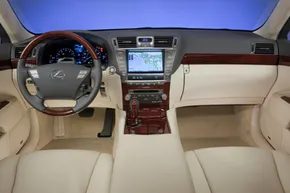
Luxury brands like Lexus and Audi treat silence as a premium feature. You pay a premium for that peace. But there is a trade-off. Sportier cars, such as the Pontiac Solstice or the Lotus Elise, prioritize performance over pampering. They strip away the noise-cancelling bulk to save weight and improve handling. Even so, a modern sports car is significantly quieter than its ancestors.
However, that factory-fresh silence isn’t permanent. The materials that keep the noise out eventually degrade. Mechanical wear and tear can turn your sanctuary into a cacophony. It can happen. A variety of issues can infiltrate the cabin, turning a quiet ride into a noisy ordeal.
When the Sound System Fails
It starts with the audio. Speakers can blow out. This isn’t just a bad track; it’s physical damage. The thin copper wire inside the speaker’s voice coil overheats and melts. The result is distorted sound that ruins any attempt at a serene drive. The fix is usually straightforward: replace the blown speakers.
Rattles, Creaks, and the Unseen Wear
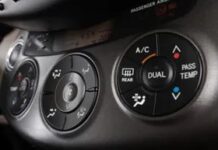
Most cars develop interior rattles over time. The dashboard, center console, and glove compartment are common culprits. Knobs and switches break down. Plastic clips loosen. Natural wear amplifies these small noises until they become distracting. The fix often involves tightening loose components or replacing broken trim pieces.
Door panels are another weak point. The plastic and metal parts inside the doors shake loose. Open the door, and it creaks. Slam it shut, and it clunks. These aren’t just annoyances. They signal that internal hardware is failing.
Mechanical Noise Infiltration
The noise doesn’t always come from inside the cabin. It can seep in from vital mechanical components. The engine and transmission are the usual suspects. When these parts develop problems, the sounds they produce travel through the chassis and into the interior. A squeaking brake or a loose serpentine belt can make a previously quiet ride unbearable. These are not just noise issues. They are symptoms of mechanical failure.
The Common Thread
Here is the pattern. No matter how quiet a car is when it rolls off the assembly line, trouble makes it louder. Diagnosing these noises is critical. It isn’t just about comfort. It’s about longevity. Ignoring the noise often means ignoring a problem that could leave you stranded.
DIY Sound Deadening
If your car is too loud, you don’t necessarily need to upgrade to a luxury sedan. Aftermarket solutions exist. You can install sound-deadening material in the cabin and under the hood. These patches absorb sound waves. They reduce resonance. The result is a quieter ride without the high price tag of a new vehicle.
For more details on auto body issues and related topics, continue to the next section.
Related Articles
- Top 10 Everyday Car Technologies that Came from Racing
- How Car Computers Work
- How Driverless Cars Will Work
- How Hypercars Work
- How Auto Transport Works
- How Automotive Production Lines Work
- Can you assemble your own car?
- What makes a digital car digital?
- What’s new in synthetic oil technology?
- Will car repairs in the future financially cripple you?
Sources
- Dynamat.co. “General FAQs.” (Oct. 28, 2009) http://www.dynamat.com/faqs_faqs.html
- Memmer, Scott. “Understanding Car Audio Systems: The Speaker.” Edmunds.com. Dec. 5, 2000. (Oct. 28, 2009) http://www.edmunds.com/ownership/audio/articles/44843/article.html
- Petersen, Gene. “How we test: Noise.” Consumer Reports. June 21, 2006. (Oct. 28, 2009) http://blogs.consumerreports.org/cars/2006/06/how_we_test_noi.html