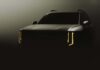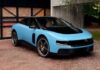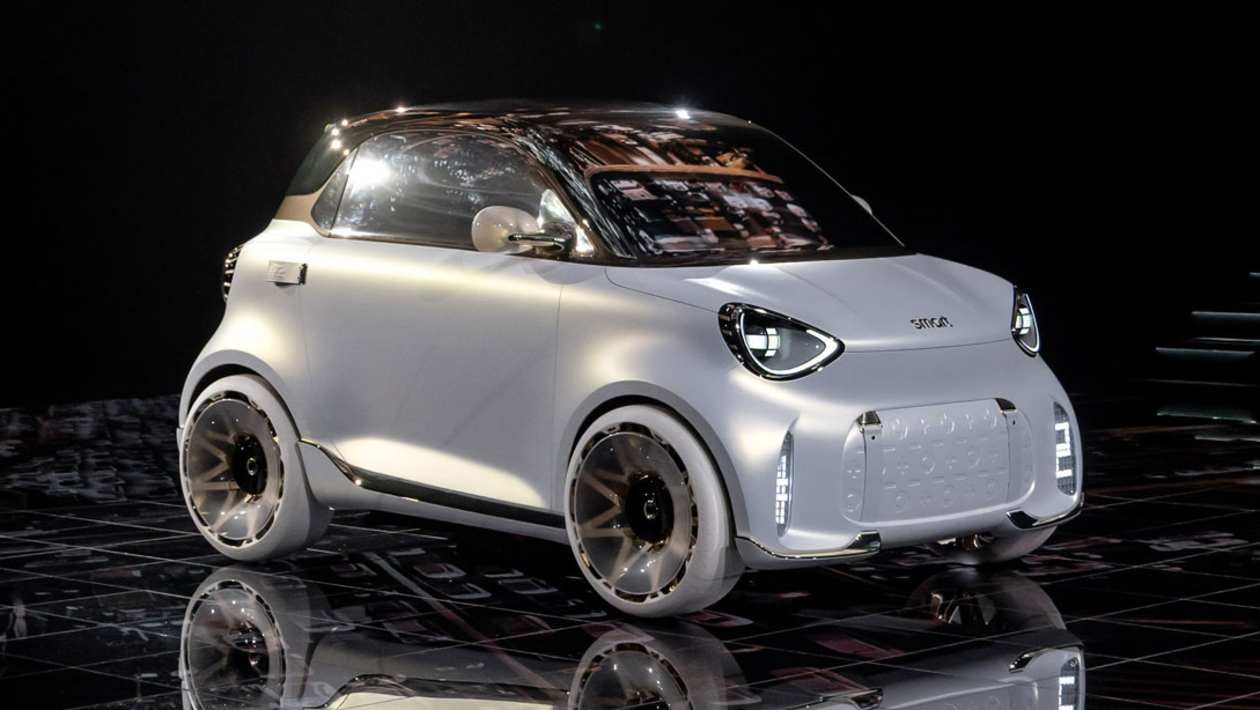
Smart is betting its future on nostalgia. The #2 arrives this autumn to fill the massive hole in the brand’s soul left by the original city car’s disappearance. It is a gamble. The joint venture between Mercedes and Geely has struggled to find footing in Europe despite launching three electric SUVs since 2021. Sales in the UK dropped 11% in 2025 to just 1,770 units. Hard numbers.
Wolfgang Ufer took over as CEO to fix the momentum problem. He’s been with Smart for thirteen years, handling European territories and building their Chinese factories, though he jokes he initially rejected the job three times. He preferred selling Mercedes SLS cars and AMG performance machines.
“It’s time [to raise] oursales and marketing levels,” Ufer said. “Here we can be better and create awareness.” He admits launching cars in new segments for an obscure brand is difficult.
The problem with being invisible
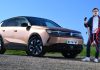
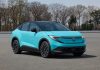
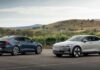
The issue isn’t quality. It’s identity. Smart’s current lineup—consisting of the #1, #3, and #5—are essentially Volvo platforms wrapped in different sheet metal. They blend in. Specifically with the flood of cheaper Chinese electric SUVs drowning out everything else.
The #1 starts around £33k. The #5 flagship hits nearly £40k for a 4.7-meter long vehicle similar to a Tesla Model Y. No one knows the brand, and no one sees these cars on the street. Ufer knows the audience still asks: “Where is the two-seater, guy?”
He confirms it. The two-seater never made money for them. Starting a company with just a two-seater today would be suicide. So they built a portfolio first. Now they are answering the big question.
But forget cheap city runabouts. This isn’t the Renault Twingo. Ufer insists Smart is a premium lifestyle brand. Building a car just 2.70 meters long is actually incredibly complex engineering.
“You can’t find a platform on a shelf,” Ufer argued. “We did it on our own.”
Costing Mercedes billions
The original 90s ForTwo was so weird it got into New York’s Museum of Modern Museum. It was also a financial disaster. Bernstein analysts calculated the first two generations lost Mercedes $4.6 billion. The engineering costs were just too high.
So how do they avoid that trap again? Variety. Ufer plans a full #2 family: coupes, convertibles, maybe a stretched version. From utility pool cars to luxury urban toys.
We want to be one of the fastest-growing BEV brands.
This targets the old ForTwo customer base. Those people actually remember Smart. The new SUV customers are being built from scratch, which is much slower.
No hybrids in Europe
What does Smart actually stand for now? Ufer points to 800-voltage architecture, 400kW charging speeds on top models, and Brabus-tuned performance. It is about tech and space.
Will they bring back the Geely-made #5 as a plug-in hybrid for Europe? No.
“We are not convinced we need that,” Ufer stated. If you have 800V charging, hybrids are just bridge technology. Plus the Euro 7 regulations make compliance expensive. That also likely kills the #6, a hybrid saloon with 1,000-mile range intended to fight the Mercedes E-Class. Smart stays in the A-to-C segments. Let Mercedes handle the rest.
Does this mean competing with MINI? Maybe. If they spot a gap between the tiny #2 and the compact #1 SUV they might build a hatchback. Ufer claims they can develop cars in twenty-four months using “China speed.”
Growth or survival
Progress has been brutal. Smart’s relaunch coincided with a global pandemic, a chip shortage, and crumbling subsidies for used EVs. Ufer calls it a rollercoaster.
They are down to 32 sales sites in the UK with only 740 registrations so far this year. Back in the day they sold 10,001 cars in Rome alone. London and Paris were hubs. Now the struggle is to enter new European markets while Chinese rivals like BYD and Chery gain ground.
Ufer wants to sell every #1 #3, and #5 they can before dropping the #2 bombshell. In three years he hopes people acknowledge they understood the rebranding strategy. He wants Smart to look profitable, efficient and successful.
But success is relative when you are the only EV brand trying to be iconic in a market obsessed with practicality. We will see.