Company car downtime just hit a six-year low. But don’t get too comfortable thinking the industry is back to normal.
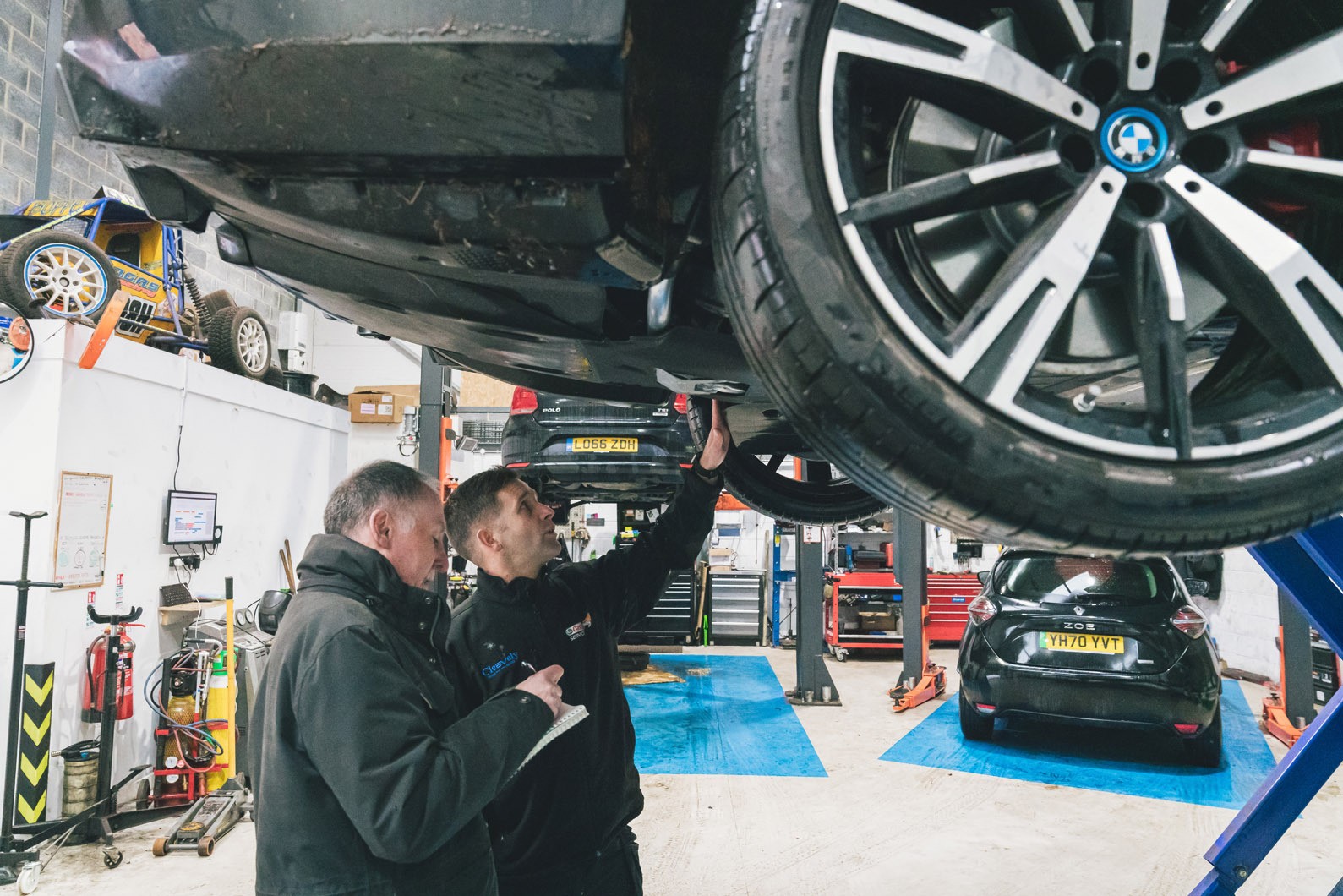
Fleet managers are quietly diverting repairs away from franchised dealerships. The reason? Speed. And price.
Data from Epyx’s 1Link Service Network reveals that vehicles spent only about 1.5 days off the road in Q1 2026. That’s the shortest turnaround since January 2020.
It looks good on paper. It feels like progress after the chaotic years following the first pandemic lockdowns. Shortages of parts? Fixed. Scarcity of technicians? Mitigated. Workshop capacity? Expanded.
Yet the underlying pressure hasn’t vanished. It has just shifted.
The Numbers Don’t Lie About Turnarounds
Epyx manages bookings for 4.9 million vehicles. Their data paints a clear picture of recovery, but also of change.
At the start of 2020? Average lead time for booking a workshop slot was 11 days. By 2023, that stretched to over 14 days. Vehicle downtime climbed from 1.57 days per visit to 1.83 days.
By March 2026, booking wait times had dropped back to just over 10 days. Downtime settled at 1.53 days. This came after a spike to 1.91 days in December 2025, driven largely by an aging fleet and semiconductor hangovers.
So why the sudden improvement?
Charlie Brooks, strategy director at Epyx, says it’s not just about supply chains healing. It’s about the cars themselves.
Younger Fleets Mean Simpler Repairs
Here is the uncomfortable truth: older cars break more. Expensively. Slowly.
Only one-third of transactions on the 1Link platform now involve vehicles over three years old. In 2023? That figure was half.
Fewer old cars means fewer complex, time-consuming jobs clogging up the system. It’s not magic. It’s demographics. A younger fleet naturally reduces downtime metrics.
But there’s another factor. A much bigger one.
Fleets are abandoning franchised dealers in favor of independents.
Where Are Fleets Going for Repairs?
Only 41% of jobs on the platform in the past six months went to authorized franchise dealerships.
Compare that to 54% in January 2010.
The shift is stark. Fleet managers are no longer loyal to badges. They are loyal to uptime.
“Fleets on the 1Link platform have invariably got a little bit fed-up with ever-increasing VOR times and labour rates,” Brooks explained.
VOR? Vehicle Off Road. That’s the metric that kills budgets. When a company car sits in a garage for three days because a dealer’s parts list is outdated, the fleet manager pays for the inconvenience. Directly. Through lost productivity.
So, fleets are spreading the load. They are using the independent network where lead times are shorter and labor rates are more competitive.
Why Franchise Dealers Are Losing Ground
Is it just price? No.
It’s visibility. And speed.
Epyx is currently working on tools that give better visibility into parts availability and workshop lead times. The goal? To stop guesswork.
Imagine this scenario:
You need to book a cambelt change. You also need a brake pad replacement. If you go to a franchise dealer, you might face a three-day wait for the camshaft belt. If you go to an independent garage next door? They have the brakes and the belt. They do it in one visit.
One booking. One day off the road.
“If fleets have a certain brand of vehicle and want to book it into a garage then we might say that at those franchise outlets the vehicles are off the road for a number of days whereas the independent network will get it quickly back on the road,” Brooks noted.
This data-driven approach allows fleet managers to distribute vehicles across networks based on actual capacity, not brand loyalty.
The Bottlenecks Remain
Don’t let the Q1 2026 numbers fool you. The system isn’t “fixed.” The bottlenecks still exist.
They’ve just been bypassed.
Aging fleets were the primary culprit behind the pre-2026 chaos. Now, as those older vehicles age out, the metrics improve. But when the next wave of older cars hits the roads? We’ll see the pressure return.
Unless, of course, the supply chain stabilizes for real. Or unless franchised dealerships finally lower their prices and open up their appointment books to the real world.
Fleets won’t wait. They never do. They go where the work gets done. Today, that’s increasingly not at the franchise.
Tomorrow? It’s wherever is fastest.
Who knows what that will be?